Key takeaways
- Maximum fill: stay below the machine’s marked maximum line; the commonly listed capacity is about 72 fluid ounces total, with approximately 64 fluid ounces recommended for processing.
- Sugar: aim for at least 4% sugar by weight or volume equivalent. For a 64-ounce batch, that is roughly 80 grams of sugar from all sources, including juice, syrup, and sweetened mixers.
- Alcohol: keep the finished drink at no more than 16% ABV. For better freezing and texture, 5–10% ABV is easier to manage.
- Ice: do not pour ice into the Slushi vessel. It is not a blender, and solid ice can interfere with the freezing system.
- Starting temperature: refrigerator-cold liquid freezes more quickly and puts less demand on the compressor than warm drink mix.
Ninja Slushi recipes work best when you treat the machine like a chilled beverage system, not a blender: use a fully mixed liquid with at least about 4% sugar, keep alcohol at or below 16% by volume, and do not add ice to the freezing chamber.
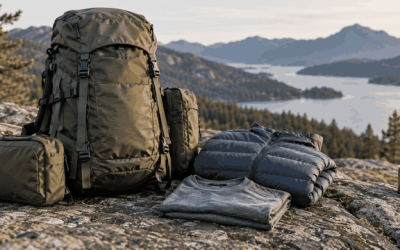
The Ninja SLUSHi is designed to freeze liquid with an internal cooling system, so the most reliable recipes begin with measured liquid, dissolved sugar, and enough time to reach a spoonable texture. That makes it useful for a driveway tailgate, campground electrical hookup, or RV kitchen—but it is not a battery-powered trail appliance.
Our top picks


As an Amazon Associate we earn from qualifying purchases at no extra cost to you.
Quick formula for consistent Ninja Slushi recipes
- Maximum fill: stay below the machine’s marked maximum line; the commonly listed capacity is about 72 fluid ounces total, with approximately 64 fluid ounces recommended for processing.
- Sugar: aim for at least 4% sugar by weight or volume equivalent. For a 64-ounce batch, that is roughly 80 grams of sugar from all sources, including juice, syrup, and sweetened mixers.
- Alcohol: keep the finished drink at no more than 16% ABV. For better freezing and texture, 5–10% ABV is easier to manage.
- Ice: do not pour ice into the Slushi vessel. It is not a blender, and solid ice can interfere with the freezing system.
- Starting temperature: refrigerator-cold liquid freezes more quickly and puts less demand on the compressor than warm drink mix.
A useful planning calculation is simple: a 64-ounce batch at 10% ABV contains 6.4 ounces of pure alcohol. With 40% ABV vodka, that requires 16 fluid ounces of vodka, leaving 48 ounces for juice, water, and syrup. That is a relatively strong batch; for a lighter drink, use 8 ounces of vodka and 56 ounces of nonalcoholic mixer, producing about 5% ABV.
Best ratios by trail-day situation
| Use case | Batch formula | Approx. yield | Best setting | Why choose it |
|---|---|---|---|---|
| Hydrating nonalcoholic slush | 48 oz coconut water, 12 oz pineapple juice, 4 oz limeade | 64 oz | Slush or frozen drink | Bright flavor with moderate sweetness |
| Easy lemonade slush | 48 oz prepared lemonade, 12 oz cold water, 4 oz simple syrup | 64 oz | Slush | Predictable sugar level and low cost |
| Berry sports-style cooler | 40 oz berry drink, 16 oz water, 8 oz lemon-lime soda | 64 oz | Frozen drink | Fast mixing; soda adds sugar and flavor |
| Light rum-lime slush | 8 oz 40% rum, 44 oz limeade, 12 oz water | 64 oz | Frozen cocktail | About 5% finished ABV |
| Stronger tailgate cocktail | 12 oz 40% tequila, 40 oz margarita mix, 12 oz water | 64 oz | Frozen cocktail | About 7.5% finished ABV |
These quantities are starting formulas rather than promises of identical texture across every drink. Juice pulp, artificial sweeteners, carbonation, and acidity all affect freezing behavior. If a drink is too firm, add a small amount of compatible liquid. If it is too loose, chill the ingredients further and verify that the sugar and alcohol levels are not outside the recommended range.
Three dependable Ninja Slushi recipes
1. Pineapple-lime campsite slush
- 36 ounces pineapple juice
- 20 ounces coconut water
- 8 ounces limeade
- Optional: 1–2 ounces agave syrup if the mixture tastes sharp
Stir everything together in a separate pitcher until uniform. Taste before adding it to the machine. Pineapple juice supplies sweetness, while coconut water lightens the flavor without making the mixture watery. For a warmer campsite, pre-chill the pitcher in an ice chest, then transfer only the liquid into the Slushi.
2. Watermelon-mint cooler
- 40 ounces strained watermelon juice
- 16 ounces prepared lemonade
- 8 ounces cold water
- Mint syrup or a small amount of sugar, only if needed
Strain watermelon juice thoroughly. Seeds and fibrous pulp can make dispensing and cleanup more difficult. Because fresh watermelon varies widely in sugar content, taste the mixture and add enough syrup to reach a clearly sweet lemonade-like profile rather than relying on the fruit alone.
3. Portable frozen paloma-style cocktail
- 8 ounces tequila at 40% ABV
- 40 ounces grapefruit mixer
- 12 ounces water
- 4 ounces limeade
This produces approximately 5% ABV before small variations in mixer strength. Use a noncarbonated grapefruit mixer in the machine. Add sparkling water to the serving cup afterward, rather than processing carbonated liquid in the appliance. Garnish with salt and a lime wedge at the tailgate, not in the freezing chamber.
Power planning for campsites and tailgates
The Ninja SLUSHi is an AC countertop appliance, not a USB or cordless cooler. Confirm the exact electrical specification on your unit’s label, then use a properly grounded outlet or a power station with enough continuous output for compressor startup. A power station rated around 500–1,000 watts continuous gives more practical headroom than a small phone-charging battery, although actual runtime depends on ambient temperature, starting liquid temperature, and cycling.
For a rough energy budget, a 200-watt appliance running for 90 minutes would consume 300 watt-hours if it operated continuously: 200 × 1.5 = 300 Wh. A compressor normally cycles, so real consumption can be lower, but do not size a power station from the appliance’s average guess alone. Leave room for startup surge and for other devices such as lights or a cooler.
- Place the unit on a level, dry, ventilated surface.
- Keep the air vents clear; do not operate it inside a sealed vehicle or enclosed tent.
- Use a short, heavy-duty outdoor-rated extension cord only when necessary.
- Start with cold liquid to shorten the freezing cycle.
- At a tailgate, process one batch at a time rather than repeatedly opening and interrupting the cycle.
Setup and cleanup that prevent common failures
- Mix outside the machine. Dissolve granulated sugar completely in a small portion of liquid before combining it with the rest. Undissolved sugar can create uneven sweetness and texture.
- Measure alcohol after dilution. Calculate the finished ABV, not the strength printed on the bottle. Excess alcohol remains soft or liquid and may prevent the drink from reaching a proper slush.
- Chill the batch. Refrigerator-cold ingredients generally produce a faster, more even result.
- Fill only to the marked limit. Overfilling can leave insufficient room for movement and may cause messy dispensing.
- Use the preset closest to the drink. A thicker dessert-style mixture and a thin sports drink do not need identical settings.
- Clean promptly. Empty leftovers, rinse the vessel and dispensing path, then run the manufacturer’s cleaning cycle with the recommended amount of water or cleaning solution.
- Wash removable parts as directed. Do not immerse the motor base, and do not use abrasive pads on clear plastic surfaces or seals.
The parts most likely to become troublesome are the dispensing gasket, seal areas, and any narrow passage where pulp or syrup dries. Sticky mixers are especially hard on cleanup. A quick rinse at the tailgate followed by a full wash at home is better than leaving lemonade, dairy, or cocktail residue overnight. Keep the unit upright during transport and allow it to settle according to the manufacturer’s guidance if it has been moved or tilted.
Which approach fits your use?
| Your situation | Best approach | What to avoid |
|---|---|---|
| Occasional tailgate, limited budget | Use lemonade, juice, or a purchased mixer; make one 48–64 oz batch | Buying extra syrups and garnishes that complicate cleanup |
| Frequent campsite or RV use | Carry pre-measured chilled liquid and a 500–1,000 Wh power station with adequate output | Assuming a small USB battery can run an AC compressor |
| Low-sugar drinks | Use naturally sweet juice or add measured sugar; verify the mixture is not below the minimum sugar guidance | Relying only on zero-sugar sweetener for freezing behavior |
| Frozen cocktails | Keep finished ABV around 5–10% and add soda after dispensing | Pouring in a full-strength cocktail or processing carbonated mixers |
| Large group | Plan multiple batches and keep a labeled pitcher of chilled mix ready | Overfilling or leaving finished slush sitting in direct sun |
Bottom line
The most reliable Ninja Slushi recipes are measured, cold, moderately sweet, and modest in alcohol. For outdoor use, the bigger decision is electrical access: the machine can be excellent at a powered tailgate, RV site, or campsite kitchen, but it is not suited to an unsupported backcountry trip. Keep the batch near 64 ounces, target at least 4% sugar, stay below 16% ABV, skip ice and carbonation in the vessel, and make cleanup part of the serving plan.