Dry ice wins for trips longer than 3-4 days or when you need maximum cold retention in minimum space, while reusable ice packs win for weekend trips, car camping, and anyone who wants zero risk of freezer-burning sandwiches or cracking a cooler’s plastic liner. The right answer depends almost entirely on trip length, and the threshold is sharper than most packing guides admit.
Our top picks

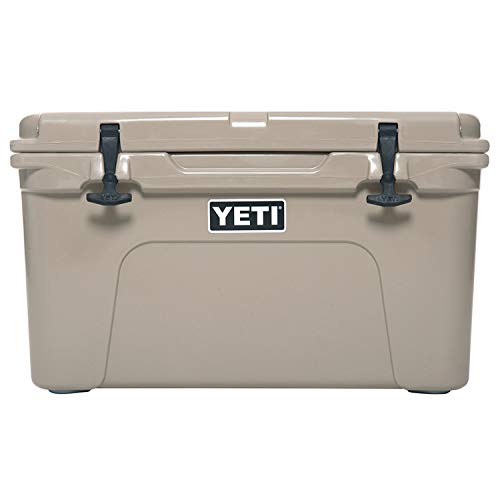
 YETI Tundra 45 Cooler
- The Tundra 45 is built around up to…
- One-piece rotomolded construction means no seams to crack…
- Pack 26 cans at a 2:1 ice ratio,…

As an Amazon Associate we earn from qualifying purchases at no extra cost to you.
Cooling Power Per Pound
Dry ice (solid CO2) sits at -109.3°F (-78.5°C), compared to 32°F (0°C) for water ice and roughly 0°F to 10°F for a frozen gel pack. That temperature gap is why dry ice outperforms ice packs by a wide margin on a pound-for-pound basis, even though it sublimates (turns directly to gas) rather than melting into water weight you have to drain.
| Cooling Medium | Temp | Cooling Duration (per lb, insulated cooler) | Weight Loss Over Time |
|---|---|---|---|
| Dry ice | -109°F | 18-24 hrs per lb (sublimates ~5-10 lb/day in a good cooler) | Fully gone, no liquid left |
| Block/cube water ice | 32°F | 8-12 hrs per lb | Melts to water, adds weight |
| Reusable gel ice pack | 0-10°F frozen | 12-24 hrs per pack (varies by size), then needs refreezing | No weight loss, stays sealed |
On paper dry ice and premium gel packs look similar in duration, but the real difference shows up on multi-day trips. A gel pack’s cooling power drops off once it climbs above freezing, while dry ice holds a hard sub-zero temperature until it’s essentially gone. For a 5-day trip, that means dry ice can keep a cooler well below freezing the whole time, while ice packs gradually drift toward “cold but not cold enough” by day three or four.
Cost Per Trip
Dry ice typically runs $1.50-$3 per pound at grocery stores, welding supply shops, or specialty ice retailers, and a 3-day cooler trip usually needs 10-20 lbs, putting the per-trip cost around $20-$45 (plus however many trips you make to replace it, since it can’t be stockpiled). Reusable ice packs cost $10-$40 each as a one-time purchase, with no recurring cost beyond a chest freezer and electricity to refreeze them.
- Occasional camper (2-4 trips/year): Ice packs win on cost. A $60-$100 one-time investment in several packs pays for itself after two or three trips compared to buying dry ice every time.
- Frequent camper or overlander (10+ trips/year): Ice packs still win long-term, since dry ice costs scale linearly with no ceiling, while packs are a sunk cost that just needs a freezer cycle between trips.
- Long remote expedition (7+ days, no resupply): Dry ice wins despite the higher per-trip cost, because no reasonable number of ice packs matches its cooling density for that duration.
Cooler Damage Risk: Liners, Gaskets, and Drain Plugs
This is where dry ice has a real downside that doesn’t show up in cooling-duration charts. At -109°F, dry ice can make rigid plastic cooler liners brittle, and direct contact with the floor or walls of a budget cooler risks hairline cracks, especially in cold ambient conditions where the plastic is already less flexible. It can also stiffen rubber gaskets on hinges and lids over repeated exposure, shortening gasket life.
- Wrap dry ice in a few layers of newspaper or a towel before it touches any plastic surface. This slows sublimation slightly but protects the liner.
- Never seal dry ice in an airtight container inside the cooler. The sublimating CO2 gas has nowhere to go and pressure can build enough to warp or burst a sealed container.
- Avoid dry ice in cheap foam or thin-wall plastic coolers. Rotomolded coolers with thick-walled liners handle the cold stress better than budget hinged coolers.
- Reusable ice packs carry essentially no liner or gasket risk since they never get colder than a standard freezer, which the cooler is already rated to handle.
Venting and CO2 Safety Rules
Dry ice sublimates into carbon dioxide gas, and that changes how you can transport and store it safely.
- Never seal a cooler completely airtight with dry ice inside. CO2 buildup can pressurize the cooler and, in extreme cases, cause the lid to pop or the walls to bulge. Leave the drain plug open or crack the lid slightly for ventilation.
- Don’t transport large quantities in a sealed vehicle cabin. CO2 is odorless and heavier than air, so it can accumulate in an enclosed car, especially with the windows up overnight. Keep a vehicle window cracked or transport dry ice in a truck bed or trunk with airflow.
- Avoid enclosed tents or sleeping areas. Don’t store a dry-ice cooler inside a small, sealed tent overnight for the same reason, poor ventilation plus CO2 buildup is a genuine asphyxiation risk in a confined space.
- Always handle with gloves. Direct skin contact causes burns similar to frostbite within seconds.
- Ice packs have no gas byproduct and no ventilation requirement, which makes them the simpler and safer choice for car camping, cabins, or anyone sharing tight sleeping quarters with the cooler.
Food-Freezing Side Effects
Dry ice’s extreme cold is a double-edged sword for food quality. Anything in direct contact, or stacked right above it, can freeze solid, which is useful for meat and frozen goods but ruins produce, bread, eggs, and dairy that you wanted merely chilled rather than frozen. Lettuce turns to mush, berries collapse, and canned drinks can crack from internal ice expansion.
Ice packs stay at a gentler 0-10°F and don’t force food into direct sub-zero contact the way loose dry ice chunks do, so they’re generally better for mixed coolers with both frozen meat and fresh produce or drinks. The practical fix with dry ice is layering: put it at the bottom with a cardboard or towel barrier, keep meat and anything meant to freeze on top of that layer, and keep delicate items like produce in a separate cooler or well away from direct contact.
Trip-Length Threshold: Which One Actually Wins
Based on cooling duration per pound, cost scaling, and resupply difficulty, there’s a reasonably clear line where one option pulls ahead.
| Trip Length | Better Choice | Why |
|---|---|---|
| 1-2 days | Ice packs | Reusable, no gas handling, no freezer-burn risk, cheaper over multiple trips |
| 3-4 days | Toss-up / combo | Ice packs alone start losing cold retention; dry ice plus a few ice packs for produce often works best |
| 5+ days, no resupply | Dry ice | Only option with enough cooling density to stay sub-freezing the whole trip without a mid-trip ice run |
| Any trip with delicate fresh food (no meat freezing wanted) | Ice packs | Avoids accidental freezing of produce, eggs, dairy |
Common Mistakes
- Buying dry ice the night before and storing it in a home freezer. Dry ice sublimates even in a standard freezer since home freezers don’t get anywhere near -109°F; buy it as close to departure as possible.
- Packing dry ice loose against the plastic liner instead of wrapping it, which accelerates liner stress and sometimes cracks older coolers.
- Sealing the cooler lid with tape or clips when using dry ice, trapping CO2 with nowhere to vent.
- Expecting ice packs to perform like dry ice on trips over 4-5 days. They’re reusable and safer, but they lose effectiveness once they warm past freezing and there’s no way to “add more cold” mid-trip without a backup set of frozen packs.
For most weekend car campers, a quality set of reusable ice packs is the lower-cost, lower-risk choice. For longer backcountry or overlanding trips where resupply isn’t an option, dry ice’s cooling density is hard to beat, as long as you respect the ventilation rules and protect the cooler liner.