
Key takeaways
- Cold weather hiking demands a system rather than a single heavy jacket. The layering approach allows you to add or remove insulation as your body temperature shifts between periods of exertion and rest. When you understand how each layer functions,…
What's inside
Cold weather hiking demands a system rather than a single heavy jacket. The layering approach allows you to add or remove insulation as your body temperature shifts between periods of exertion and rest. When you understand how each layer functions, you can make better gear decisions and avoid the discomfort of sweat-induced chilling that ruins more hikes than cold itself.
The Three-Layer System Explained
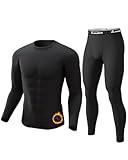
The base layer sits directly against your skin and serves one primary purpose: moving moisture away from your body. Materials like merino wool or synthetic polyester wick sweat before it can accumulate and cause rapid heat loss. Cotton is unsuitable here because it holds moisture and loses all insulating value when wet. A well-fitted base layer should feel snug without restricting movement, because loose fabric creates air gaps that allow cold drafts to reach your skin.
As an Amazon Associate we earn from qualifying purchases at no extra cost to you. Product prices and availability are accurate as of the date shown and are subject to change.


The mid layer provides insulation by trapping warm air close to your body. Fleece, synthetic insulated jackets, and light down puffers all fall into this category. Fleece breathes well and continues insulating even if it absorbs some moisture, making it versatile for active use. Synthetic insulation compresses into a smaller pack volume and maintains warmth when damp. Down offers the highest warmth-to-weight ratio but fails completely if it gets wet, so it works best as a rest layer rather than during active climbing.
The outer layer shields you from wind, rain, and snow. A hardshell or waterproof-breathable jacket handles precipitation, while a windshell provides protection without the bulk of a rain jacket. On most cold days, a windproof outer layer matters more than waterproofing because wind strips heat from your body far faster than ambient temperature alone suggests.
Matching Layers to Activity and Temperature
Standing at a cold campfire requires different layering than climbing a steep grade at twenty degrees below freezing. The key principle is to start your hike feeling slightly cool. If you are comfortable and warm at the trailhead before moving, you will overheat within minutes of exertion and begin sweating through your base layer. This moisture becomes a liability when you stop at a viewpoint or rest break, pulling heat from your body rapidly.
Adjust your system based on intensity. High-output activities like uphill travel demand thinner mid layers or no mid layer at all. During rest periods, add your insulated jacket immediately before your body temperature drops. The transition from active to stationary is where most cold-weather discomfort occurs, and having your insulation accessible at the top of your pack makes this manageable.
Common Layering Mistakes to Avoid
One frequent error is wearing too many mid layers. Each layer adds bulk that restricts movement and traps warm air in pockets, creating uneven temperature distribution. Two well-chosen layers outperform four poorly fitted ones. Another mistake is neglecting extremities while obsessing over torso warmth. Your hands, head, and feet lose heat disproportionately because your body redirects blood flow away from them to protect your core. Carry spare gloves and an extra pair of socks even on short outings.
Avoid storing wet base layers inside your pack overnight if you are camping in freezing conditions. Moisture in fabric can freeze solid and compromise insulation. If your base layer is damp, hang it inside your tent or place it in a stuff sack at the foot of your sleeping bag where body heat will slowly dry it.
Building a Layering System for Different Conditions
For temperatures between twenty and forty degrees Fahrenheit, a merino base layer, a fleece mid layer, and a windshell handle most conditions. Add a synthetic insulated vest or jacket for stationary periods. Below twenty degrees, swap your fleece for a heavier synthetic or down mid layer and consider wearing two base layers if you tend to run cold. Above freezing, you may only need a base layer and a shell, since exertion generates enough heat to compensate for the lower ambient temperature.
The best cold weather layering system is one you understand well enough to adjust without hesitation on the trail. Know what each piece does, carry layers that serve distinct functions, and practice building your system in predictable conditions before tackling demanding routes where mistakes are expensive.






Write Your Review
No reviews yet. Be the first to share your experience!