
Key takeaways
- Understanding the Seasonal Cycle of Outdoor Gear Discounts One of the most effective strategies for scoring genuine savings on outdoor gear is timing your purchases around the seasonal retail cycle. Most outdoor equipment follows a predictable pattern where retailers clear…
What's inside
Understanding the Seasonal Cycle of Outdoor Gear Discounts
One of the most effective strategies for scoring genuine savings on outdoor gear is timing your purchases around the seasonal retail cycle. Most outdoor equipment follows a predictable pattern where retailers clear inventory at the transition between seasons. Winter gear such as insulated jackets, snowshoes, and cold-weather sleeping bags typically sees its steepest markdowns in late February and early March. Conversely, summer camping equipment including tents, hammocks, and warm-weather sleeping bags often drops in price during September and October as stores pivot their floor space to fall and winter products.
This does not mean you should buy gear you will not use for another year. It means you should build a wish list well in advance and monitor prices during the clearance window. A high-quality down jacket purchased at a forty to sixty percent discount during off-season can save hundreds of dollars compared to its retail price during peak demand months. The key is knowing what you need before the deal appears rather than buying something simply because it is discounted.
As an Amazon Associate we earn from qualifying purchases at no extra cost to you. Product prices and availability are accurate as of the date shown and are subject to change.

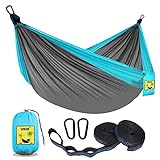


How to Tell If a Deal Is Actually Worth Your Money
Not every marked-down price tag represents a genuine bargain. Retailers frequently use psychological pricing tactics that make discounts appear larger than they actually are. A common trick involves inflating the original price before applying a discount, so the perceived savings do not match real market value. To avoid this, research the actual average selling price of the item across multiple retailers before the discount period begins.
You should also evaluate whether the discount applies to current-generation products or older models that have been superseded by newer versions. Sometimes the difference is trivial, such as a slight color change or minor cosmetic adjustment, and buying the older version is a perfectly sound decision. Other times the previous generation may lack meaningful improvements in durability, weight, or performance features that justify paying closer to full price on the newer model.
Condition matters enormously when evaluating a deal. Open-box returns, factory seconds, and lightly used items from reputable resale platforms can offer exceptional value. However, always inspect the item or read the seller description carefully for signs of water damage, compressed insulation, delaminated waterproof membranes, or worn-out sole compounds on footwear. A heavily discounted boot with a degraded outsole is not a bargain at any price.
Where to Look for Legitimate Outdoor Gear Discounts
Several channels consistently deliver worthwhile discounts on outdoor equipment without requiring you to gamble on unknown sellers. Brand-owned outlets, both physical and online, typically offer last-season gear at reduced prices with the same warranty coverage as full-price items. This is often the safest route because you are buying directly from the manufacturer with no risk of counterfeits or misrepresented condition.
Major outdoor retailers run regular sales events tied to holidays, end-of-season clearances, and inventory rotations. Subscribing to their email lists can provide access to early sales and additional discount codes. However, be cautious about signing up for emails from too many sources, as this often results in a flood of promotions that create artificial urgency around deals you do not actually need.
Peer-to-peer resale platforms have grown into a legitimate source for quality outdoor gear at significant discounts. Items like backpacks, trekking poles, and cookware often sell for a fraction of their original price because previous owners upgraded to newer models or decided a particular activity was not for them. The key is buying from sellers with established reputations and requesting detailed photos before purchasing.
Common Mistakes That Turn a Good Deal Into a Bad Purchase
The most expensive outdoor gear mistake is buying equipment that does not match your actual use case simply because it was heavily discounted. A five-season mountaineering tent at a deep discount is worthless if you only camp in car-accessible campgrounds during warm months. Similarly, ultralight gear priced below average may tempt you, but ultralight materials often sacrifice durability for weight savings and may not suit rougher use patterns.
Another frequent error is ignoring the total cost of ownership. A discounted tent that requires purchasing a separate footprint, a replacement pole section, or a specific type of ground stakes can erase the apparent savings quickly. Always consider what accessories or replacement parts the item needs alongside its discounted price before committing to a purchase.




Write Your Review
No reviews yet. Be the first to share your experience!