Key takeaways
- People who search for a solar powered generator are often trying to retire a gas can. They want power that refills from sunlight, runs quietly.
People who search for a solar powered generator are often trying to retire a gas can. They want power that refills from sunlight, runs quietly, and does not need a trip to the fuel station before a storm. That changes the buying question. The battery size is only half of it; the other half is whether the panels in the box can realistically put the energy back before the next outage, trip, or work week arrives.
The six kits below are chosen to show how that trade-off plays out at different sizes, from a camping-scale set with a 30W panel to a home-backup system with two 200W panels and a battery measured in kilowatt-hours. They suit campers, RV owners, tailgaters, and households that want a fuel-free outage plan. Judgments rest on the listing titles alone, and prices appear only as budget, mid-range, and premium tiers. For 2026 shoppers, the practical filter is simple: favor kits where the panel wattage and battery capacity look like they belong together.
Quick Picks
Our top picks
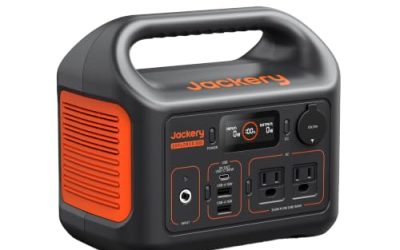
 Jackery Solar Generator 300 and 40W Solar
- Ultra-Lightweight: Weighing only 7.5 lbs, the new Explorer…
- Versatile Power for 6 Devices: Equipped with 2…
- Built to Last: Upgraded with premium LiFePO4 chemistry,…
 Jackery HomePower 3600 Plus & 2x200W Solar
- Essential Home Backup: The Jackery HomePower 3600 Plus…
- Safe Power That Lasts: Built with high-temp resistant…
- Plug-and-Play: With its easy plug-and-play design, the Jackery…
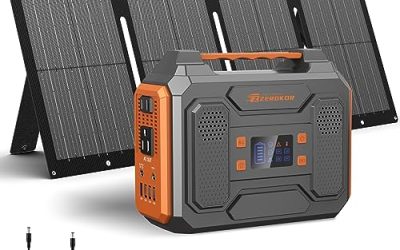
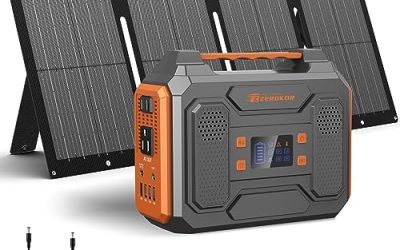
 Portable Solar Generator 300W Portable Power Station
- Portable Generator with 60W Solar Panel Included: with…
- Multiple Charging outlets for camping gear with SOS…
- Multiple Charging Optional, Solar Panel Charger 60W Included:…
| Product | Key specs | |
|---|---|---|
| Jackery Solar Generator 300 and 40W Solar | Ultra-Lightweight: Weighing only 7.5 lbs, the new Explorer… Versatile Power for 6 Devices: Equipped with 2… Built to Last: Upgraded with premium LiFePO4 chemistry,… | Check price |
| Jackery HomePower 3600 Plus & 2x200W Solar | Essential Home Backup: The Jackery HomePower 3600 Plus… Safe Power That Lasts: Built with high-temp resistant… Plug-and-Play: With its easy plug-and-play design, the Jackery… | Check price |
| Portable Solar Generator 300W Portable Power Station | Portable Generator with 60W Solar Panel Included: with… Multiple Charging outlets for camping gear with SOS… Multiple Charging Optional, Solar Panel Charger 60W Included:… | Check price |
 Jackery Explorer 300 Portable Power Station | Ultra-Lightweight: At only 7.5 lbs, the Explorer 300… Versatile Power for 6 Devices: Equipped with 2… Built to Last: Upgraded with premium LiFePO4 chemistry,… | Check price |
 MARBERO 155Wh Solar Generator with Solar Panel | This all-in-one kit includes the power station, 30W… EXTENEDED 6.5FT CABLE: The generous 6.5ft integrated cable… Power all your devices with 2x 100W AC… | Check price |
 Jackery Explorer 2000 v2 and 2x200W Solar | Powerful and Versatile: Designed to meet power demands… Smallest & Lightest 2kWh Power: The Jackery Solar… Flexible & Efficient Charging: Power up the Solar… | Check price |
As an Amazon Associate we earn from qualifying purchases at no extra cost to you.
| Product | Best for | Key spec from the title |
|---|---|---|
| Jackery Solar Generator 300 | Weekend camping | 292Wh, 300W AC, 40W panel |
| Portable Solar Generator 300W (60W panel) | Best panel for the size | 280Wh, 300W, 60W panel |
| MARBERO 155Wh | Entry-level sun charging | 155Wh, 150W surge, 30W panel |
| Jackery Explorer 2000 v2 | RV and cabin power | 2042Wh, 2200W AC, two 200W panels |
| Anker SOLIX C1000 Gen 2 | Compact backup with fast charging | 1,024Wh LiFePO4, 2,000W, 200W panel |
| Jackery HomePower 3000 | Home essentials | 3072Wh, 3600W AC, 7200W surge |
How to Choose
Do the sun-hours math before you buy
A panel produces its nameplate wattage only in ideal conditions. Plan on roughly 60 to 75 percent of the rating under good sun, and less when clouds, haze, or angle get in the way. To estimate a refill, divide the battery’s watt-hours by that realistic panel output. A 280Wh battery on a 60W panel needs a bit more than a full sunny day; a 3,000Wh battery on 400W of panels needs a long, clear stretch.
Match the inverter to the heaviest thing you plug in
Continuous watts decide what runs, and surge watts decide what starts. Motors in refrigerators and pumps draw several times their running power for a moment, so a 7200W surge figure matters more for a home kit than for a camping set. For simple electronics, a 300W rating is plenty.
Look for chemistry and switchover detail
LiFePO4 and LFP cells are the durable option for frequent cycling. A stated UPS time, such as 20ms, means the station can hold up a desktop during a grid blip. If a title lists neither chemistry nor UPS behavior, expect less documented performance.
Skip fuel generators for indoor or tent use
Solar kits make no exhaust where you stand. Gas generators produce carbon monoxide, which is odorless and dangerous, and they must stay outdoors well away from doors, windows, and vents. If safety near sleeping areas matters, a battery kit removes that risk entirely.
The 6 Best Options
Jackery Solar Generator 300
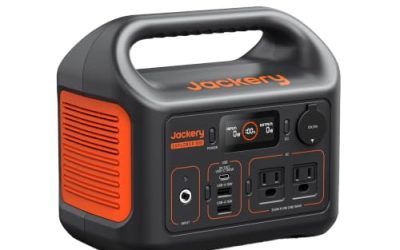
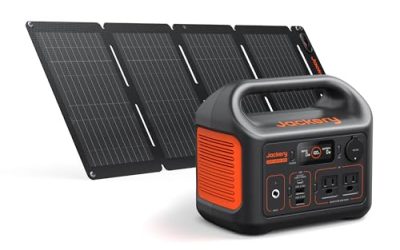
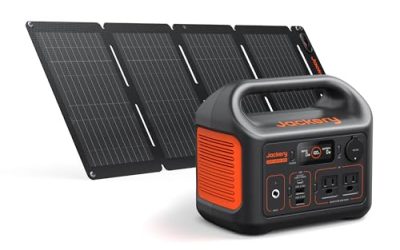
A branded starter kit pairing a 292Wh station with a 40W panel and a 300W pure sine wave AC outlet. The title lists RV, outdoor, camping, travel, and blackout use, so it is aimed at the everyday buyer who wants one tidy bundle for trips and short outages. Buyers who think of solar as a hobby that starts with one folding panel and a weekend in a park will find the proportions sensible, since nothing in the listing is oversized for the job.
- Strength: pure sine wave AC is friendly to laptops and chargers.
- Strength: panel and station are sold together, so the connection is straightforward.
- Trade-off: 40W of panel is slow against 292Wh, so it favors wall charging between trips.
Skip it if sun-only recharging is your plan, because the panel is small for the battery, or if you want to run anything above 300W, because the unit is designed for electronics rather than appliances.
Portable Solar Generator 300W (60W panel)
This kit lists a 300W station, 280Wh of battery, and a 60W solar panel, plus a 110V pure sine wave AC outlet and USB QC3.0. Its main appeal is panel size: 60W is the largest bundled panel among the small kits here, which speeds up the sun refill. For someone who wants to leave the unit in a sunny spot at a campsite and have it recover by the afternoon, that panel-to-battery balance is the feature that matters most, more than any extra port.
- Strength: the 60W panel offers the most solar input relative to its battery.
- Strength: a pure sine wave AC outlet and QC3.0 USB cover laptops and phones.
- Trade-off: the title does not name a brand or a battery chemistry, so long-term durability is harder to judge.
Skip it if you want a recognized name behind the warranty or confirmed LiFePO4 cells, since the listing leaves both unanswered and support for an unbranded unit can be uneven.
MARBERO 155Wh
A 155Wh station with a 30W solar panel and a 150W surge rating. It is the smallest-battery kit in the group and works as a gentle introduction to sun charging, fitting phones, a tablet, a camera, and a few lights. It is a fit for the person who wants to learn how sunlight charging behaves, where to angle a panel, and how many watt-hours daily devices consume, before committing to a larger and more expensive system.
- Strength: the budget tier makes experimenting with solar low-risk.
- Strength: panel and battery are matched in size, so a full refill is realistic over a sunny day or two.
- Trade-off: it supports only light loads, and the title cites a surge number instead of a continuous one.
Skip it if you need to power a fan or cooler for hours, or if you want a firm continuous rating, since the listed surge figure says little about sustained output.
Jackery Explorer 2000 v2
The title lists 2042Wh of LiFePO4 capacity, 2200W AC output, and two 200W solar panels, with a 20ms UPS function and 100W USB-C PD fast charging. It is the kit for someone who wants a real battery and a real panel set without moving into the largest home systems. A household that wants a few essentials alive after a storm, or a van owner who wants to cook, work, and charge from the roof, will find the capacity and the panel pair a sensible starting point.
- Strength: two 200W panels give a more credible sun refill than single small panels.
- Strength: 20ms UPS and USB-C PD make it useful for both work gear and appliances.
- Trade-off: as a mid-range to premium kit, it costs far more than the compact bundles.
Skip it if your needs are phones and a laptop, since the size is more than you require.
Anker SOLIX C1000 Gen 2
A 1,024Wh LiFePO4 station with a 200W solar panel, a 2,000W rating, and output up to 3,000W. It sits between the camping sets and the home systems, and the title frames it as a solar powered generator rather than a simple power bank. For a buyer who wants fast recharging and a dependable chemistry in a size that suits a closet or a vehicle, the pairing of 1,024Wh with a 200W panel is a balanced starting point for short outages and weekend trips.
- Strength: LiFePO4 cells and a 2,000W rating suit regular use.
- Strength: a 200W panel is a solid match for a roughly 1kWh battery.
- Trade-off: 1,024Wh runs down fast if you feed it appliances, so sizing your loads is essential.
Skip it if you want multi-day appliance backup without adding more panels or batteries, since a battery near 1kWh can empty within hours when appliances are connected.
Jackery HomePower 3000
The largest kit in this guide, with 3072Wh of LFP capacity, 3600W AC output, a 7200W surge rating, and two 200W solar panels. The title says it is built for essential home backup and portable use, so it targets outage preparation rather than campsites. It is a candidate for a household that wants to keep a refrigerator, a furnace blower, and some lights alive, and that is willing to place panels in a yard or on a roof to feed it between outages.
- Strength: the 7200W surge rating helps start motor loads like pumps and compressors.
- Strength: 3072Wh of LFP cells covers a meaningful set of household essentials.
- Trade-off: two 200W panels refill 3072Wh slowly, so plan for extra panels or wall charging.
Skip it if you want something light enough to carry on a camping trip, or if your loads are small enough that a compact kit would handle them for far less money.
Which One Fits Your Situation
You camp on sunny weekends
The Portable Solar Generator 300W with its 60W panel gives the best sun refill among the small kits, while the Jackery Solar Generator 300 is the pick if brand support matters.
You want a first taste of solar
The MARBERO 155Wh keeps the commitment low. Charge a phone and a lamp for a weekend and learn how much sun you really get before spending more.
You live in an RV or off-grid cabin
The Jackery Explorer 2000 v2 pairs 2042Wh with 400W of panels and a 20ms UPS, a sensible fit for daily living off stored sunlight.
You want to retire a gas generator at home
The Jackery HomePower 3000 has the surge rating and capacity to cover essentials, while the Anker SOLIX C1000 Gen 2 suits shorter outages with lighter loads.
Common Mistakes
- Assuming the nameplate panel wattage appears all day, when real output is usually well below it.
- Pairing a large battery with a single small panel and expecting a quick refill.
- Judging an inverter by its peak number instead of the continuous rating.
- Placing panels in partial shade, which can cut output disproportionately.
- Running a gas generator in a garage or near a tent for a lower cost option; carbon monoxide can build up fast and has to be kept outdoors, far from openings.
Specs and Terms Explained
Peak sun hours
Peak sun hours are not daylight hours; they equal the time the sun delivers a standard intensity of light. Many regions get roughly three to six peak hours in a day depending on season and latitude. Multiply panel watts by that figure, then trim for losses, to estimate daily recharge.
Solar charge efficiency
Between panel and battery, a share of energy is lost to wiring and conversion. Real-world intake commonly lands noticeably below the panel label, so a unit advertising a high maximum solar input will not necessarily reach it on a typical day.
UPS or EPS mode
Some stations switch to battery in a few milliseconds when wall power drops, which keeps routers and computers running. If a spec sheet does not mention this feature, assume a brief outage may restart sensitive devices.
Parallel and series panels
Series connections add voltage; parallel connections add current. The right choice depends on the unit’s input limits, so follow the manufacturer’s wiring guidance instead of improvising.
Which One Should You Buy?
| If you… | Choose… |
|---|---|
| Want an entry kit with a panel included for sunny weekends | Portable Solar Generator 300W (60W panel) |
| Prefer a familiar brand at a carry-friendly size | Jackery Solar Generator 300 |
| Need the lightest option for short trips | MARBERO 155Wh |
| Want quick recharge from wall or sun in a mid-size unit | Anker SOLIX C1000 Gen 2 |
| Live in an RV or cabin and need a big reserve | Jackery Explorer 2000 v2 |
| Hope to replace a gas generator for home essentials | Jackery HomePower 3000 |
Setup and Care Tips
- Place panels on a flat, stable surface and keep shadows from branches, rails, or your own tent off the cells; even partial shade can sharply cut output.
- Wipe dust and pollen from the panel surface with a soft cloth.
- Run the battery down and recharge it a few times when new so the display estimates settle.
- Store the unit indoors at moderate temperatures; a hot vehicle trunk is a poor home for it.
- Coil cables loosely to avoid cracked insulation.
Who Should Skip These
- Anyone who needs multi-day power for a freezer chest during a storm and has only a small panel; recharge simply will not keep pace.
- Apartment dwellers with no balcony or yard, since panels need unobstructed sky to do their job.
- Owners of large 240V tools or a well pump, because most units in this list are designed for 120V household loads.
- Buyers who want a silent, set-and-forget whole-home system; hardwired solar with a transfer switch is built for that.
Related guides
- How To Wash A Down Jacket Without Losing Loft
- 0 Degree Sleeping Bag For Backpacking
- Portable Solar Generator For Camping
Frequently Asked Questions
How long does it take to charge a solar powered generator from panels?
Divide the battery’s watt-hours by the panel’s real output, which is typically below the rating. For example, a 280Wh battery on a 60W panel needs more than one full day of strong sun.
Can I charge it from the wall too?
The listings describe solar charging prominently, and most stations in this class also accept wall input. Confirm the input method before purchase if wall charging is part of your plan.
Will it run my refrigerator?
Larger kits such as the HomePower 3000 and Explorer 2000 v2 are the realistic candidates, because the compressor’s startup surge is high. The compact kits are not suited to that job.
Do solar generators make noise or fumes?
They are quiet compared with gas models and release no exhaust where you use them. Fuel generators, by contrast, give off carbon monoxide and should never run indoors.