Key takeaways
- Check cleat wear regularly. Worn cleats make clipping in and out harder and can affect knee alignment.
- Do not walk long distances on road cleats, since the plastic wears out quickly. Use cleat covers if you must.
- Dry shoes at room temperature and stuff them with paper after wet rides. Heaters can damage adhesive and cause the upper to shrink.
- Replace insoles if they flatten, and consider arch-supporting insoles if you get numb toes or hotspots.
- Do not buy shoes too tight. Feet swell during long rides, and a tight shoe causes numbness.
The best bike shoes for most riders are a stiff-soled, clipless road shoe such as the Specialized Torch 3.0, while gravel riders should look at the Fizik Terra Atlas and indoor cyclists at the Giro Cadet. The right choice depends on your cleat system (two-bolt SPD or three-bolt road), how much you walk off the bike, and how stiff you want the sole. This guide covers current models, how to size them, and the numbers worth comparing.
Our top picks
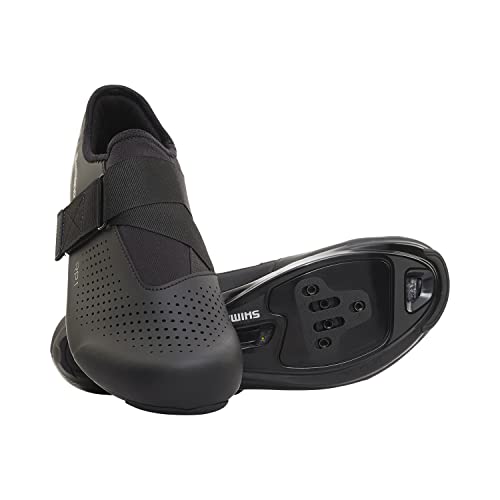
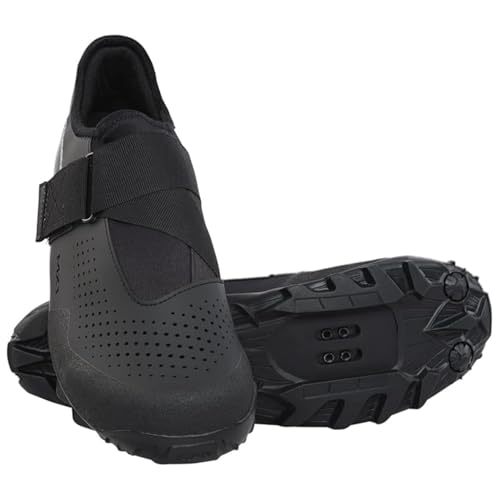


As an Amazon Associate we earn from qualifying purchases at no extra cost to you.
Quick Comparison of the Best Bike Shoes
| Pick | Best for | Cleat pattern | Closure | Sole | Price range |
|---|---|---|---|---|---|
| Specialized Torch 3.0 | All-around road riding | 3-bolt road | Dial / strap | Carbon-reinforced | Mid to upper-mid |
| Shimano S-Phyre RC903 | Racing and fast group rides | 3-bolt road | Dual dial | Full carbon | Premium |
| Giro Empire SLX II | Lace-up comfort on road | 3-bolt road | Laces | Carbon | Premium |
| Fizik Vento Powerstrap R5 | Best budget road shoe | 3-bolt road | Powerstrap and dial | Reinforced nylon composite | Budget to mid-range |
| Shimano RC5 and RC3 Wide | Beginners and wide feet | 3-bolt road | Dial or strap | Composite | Budget to mid-range |
| Fizik Terra Atlas | Gravel and mixed riding | 2-bolt SPD | Dial / strap | Composite with walkable lugs | Mid-range |
| Giro Empire XC | Performance gravel and XC | 2-bolt SPD | Laces or dial | Carbon | Premium |
| Giro Cadet | Indoor cycling | 2-bolt and 3-bolt | Strap and dial | Nylon composite | Budget to mid-range |
Details follow manufacturers’ published specs and 2026 roundups from Velo, Cycling News and Bikerumor. Models and colors change between seasons, so confirm cleat compatibility and sizing on the current product page.
Best All-Around Road Shoe: Specialized Torch 3.0
Velo names the Specialized Torch 3.0 its best all-around road shoe. It offers a stiff carbon-reinforced sole, a comfortable upper and a fit many riders find easy to dial in with the Body Geometry design. It suits riders who want a performance shoe that remains comfortable on four-hour rides, without the cost of a flagship racing shoe.
Main trade-off: It is not the lightest or stiffest shoe in the brand’s lineup, and riders with very wide feet may want to try the wide version if available.
Best for Racing: Shimano S-Phyre RC903
The Shimano S-Phyre RC903 is a top race shoe in several 2026 roundups. A full carbon sole delivers efficient power transfer, and the dual-dial closure allows fine adjustment on the move. It is the pick for riders chasing marginal gains and who can justify the investment.
Main trade-off: It is priced at the premium end of the range, and the narrow, precise fit does not suit everyone. Walking comfort is limited.
Best Lace-Up: Giro Empire SLX II
Velo selected the Giro Empire SLX II as its best lace-up cycling shoe. Laces spread pressure across the foot, and many riders find them more comfortable than dials and straps for long rides. The shoe pairs a stiff carbon sole with a classic look.
Main trade-off: You cannot adjust laces easily mid-ride, and wet laces take longer to dry.
Best Budget: Fizik Vento Powerstrap R5
The Vento Powerstrap R5 is Velo’s best-budget pick and is often called the best cycling shoe under a modest price ceiling. The Powerstrap closure keeps the foot secure, and the sole is stiff enough for strong rides and group outings.
Main trade-off: The composite sole flexes more than a carbon sole at high power, which matters for racers but little for recreational riders.
Best for Beginners and Wide Feet: Shimano RC5 and RC3 Wide
Garage Gym Reviews highlights the Shimano RC5 for beginners and the RC3 Wide for riders with wide feet. These shoes offer a comfortable fit and a stiff-enough sole for a first clipless setup, with a wide version that avoids pressure points.
Main trade-off: They are heavier and less stiff than premium shoes, so they suit fitness and touring rather than racing.
Best for Gravel: Fizik Terra Atlas and Giro Empire XC
Bikerumor describes the Fizik Terra Atlas as the middle ground between comfort, versatility and performance at a lower price. For riders who want a more performance-minded carbon shoe, the Giro Empire XC keeps the performance and comfort of its predecessor. Both use the two-bolt SPD pattern, with recessed cleats and tread you can walk on.
Main trade-off: Two-bolt shoes put a smaller platform under the foot than road cleats, and carbon versions cost significantly more than composite ones.
Best for Indoor Cycling: Giro Cadet
Cycling News ranks the Giro Cadet as its top indoor cycling shoe. It accepts both two-bolt and three-bolt cleats, so it works with spin-class bikes and home trainers. Another option, the Fizik Tempo Beat, combines SPD cleat fitment with good walkability.
Main trade-off: Indoor shoes are rarely stiff or aerodynamic enough for serious outdoor riding.
Decision Matrix: Which Bike Shoe Should You Buy?
| Your situation | Choose | Reason |
|---|---|---|
| Road riding, first clipless shoe | Shimano RC5 or Fizik Vento R5 | Lower price, comfortable, stiff enough |
| Long weekend road rides | Specialized Torch 3.0 | Comfort and performance balance |
| Racing or fast group rides | Shimano S-Phyre RC903 | Full carbon sole, precise closure |
| Gravel and commuting with some walking | Fizik Terra Atlas | SPD cleat, walkable sole |
| Indoor classes and trainer sessions | Giro Cadet | Accepts both cleat types |
| Wide feet | Shimano RC3 Wide | Roomier last |
How to Choose Bike Shoes
Pick a cleat system first
Three-bolt road cleats are larger, spread pressure over a bigger area and are best for road riding. Two-bolt SPD cleats are smaller and recessed, so you can walk, which suits gravel, commuting and touring. Indoor shoes that accept both give flexibility if you ride a spin bike at a gym.
Understand sole stiffness
Manufacturers rate stiffness on their own scales, such as Shimano’s 1 to 12 sole-stiffness index. Higher numbers mean more power transfer but less comfort and walkability. For rides above two or three hours, a mid-stiffness shoe is often more comfortable than the stiffest one.
Choose a closure
Dials allow micro-adjustments, straps are simple and light, and laces offer an even pressure distribution. Dual-dial setups let you tighten the forefoot and midfoot separately. Think about whether you want to adjust the shoe mid-ride.
Size correctly
Measure your foot in millimeters and use each brand’s size chart, because bike shoes run narrow and sizing differs between brands. You need about a thumb’s width in front of your longest toe, and your heel must stay in place when you pedal. Cycling feet swell in heat, so try shoes in the afternoon.
Worked example: cost per ride
If you ride three times a week for 45 weeks a year, that is about 135 rides. A shoe that lasts three years gives you about 405 rides. A shoe at twice the price that lasts five years and delivers more comfort works out to cost per ride only about 20 percent higher than the cheaper shoe, which is easy to justify if comfort stops you from skipping rides.
Care and Common Mistakes
- Check cleat wear regularly. Worn cleats make clipping in and out harder and can affect knee alignment.
- Do not walk long distances on road cleats, since the plastic wears out quickly. Use cleat covers if you must.
- Dry shoes at room temperature and stuff them with paper after wet rides. Heaters can damage adhesive and cause the upper to shrink.
- Replace insoles if they flatten, and consider arch-supporting insoles if you get numb toes or hotspots.
- Do not buy shoes too tight. Feet swell during long rides, and a tight shoe causes numbness.
Frequently Asked Questions
Are clipless bike shoes better than flat shoes?
For efficiency and control on road and gravel rides, clipless shoes are generally better because they connect your foot to the pedal through the whole pedal stroke. Flat shoes make more sense for casual riding, trail riding with frequent dabs, or beginners who want to put a foot down quickly.
Can I use mountain bike shoes on a road bike?
Yes. Two-bolt SPD shoes work on road bikes if you use SPD pedals. You give up a little pedaling stability compared with three-bolt road shoes, but you gain walkability.
How stiff should my cycling shoes be?
Stiffer soles transfer power better but feel harsh on long rides. Most recreational riders are comfortable in a mid-stiffness composite or carbon-reinforced sole, while racers prefer full carbon.
How do I know what size to buy?
Use the manufacturer’s size chart based on foot length in millimeters, and allow space in front of your toes. If you are between sizes or have wide feet, try wide versions where available.
How long do cycling shoes last?
Many shoes last three to five years with regular use. Replace them when the sole cracks, the closure stops holding tension or the upper stretches and loses support.