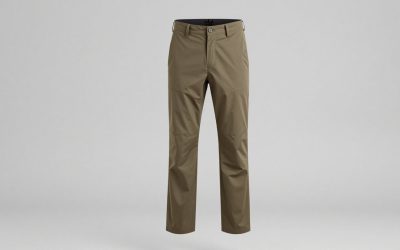
The best hunting bib for most cold-weather hunters is a waterproof-breathable insulated bib with roughly 100 to 150 grams of synthetic fill, a full-length side zip and reinforced knees. Premium whitetail bibs such as the Sitka Stratus Bib 2.0 lead on quiet fabric and breathability, while waterfowl bibs like the Browning Wicked Wing Insulated Bib and budget workhorses like the Arctix Essential Insulated Bib trade some stealth for lower cost and wet-weather toughness. Your hunting style, not the brand, should decide which one you buy.
Our top picks


As an Amazon Associate we earn from qualifying purchases at no extra cost to you.
Quick Comparison of the Best Hunting Bibs
| Pick | Best for | Insulation / membrane | Typical comfort range | Price range |
|---|---|---|---|---|
| Sitka Stratus Bib 2.0 | Late-season whitetail from a stand | Synthetic insulation, waterproof-breathable shell | Roughly 10 to 35 F | Premium |
| Browning Wicked Wing Insulated Bib | Waterfowl, marsh and blind hunting | PrimaLoft insulation, Pre-Vent Plus membrane, taped seams | Roughly 15 to 40 F | Upper mid |
| HOT SHOT Elite Insulated Bib | Value cold-weather hunting | About 120 g insulation, waterproof | Roughly 15 to 40 F | Mid |
| Arctix Essential Insulated Bib | Budget, ice fishing, general winter use | Light synthetic fill, water-resistant shell | Roughly 20 to 40 F | Budget |
| TIDEWE-style heated bib | Sedentary hunts in deep cold | Battery-heated panels over insulated shell | Roughly 0 to 30 F with heat on | Mid to upper mid |
Comfort ranges are general guidance for a sitting hunter wearing a base layer and a mid layer, not manufacturer ratings. Check each maker’s spec sheet for current fabric and fill details.
Best Overall: Sitka Stratus Bib 2.0
Independent 2026 roundups, including GearJunkie’s hunting pants guide, name the Stratus Bib 2.0 their top whitetail bib. It is built for hunters who sit in a stand or blind for hours, so the fabric is quiet and the cut leaves room for layers. Reviewers rate its warmth and durability highly, and the only recurring complaint is the cost.
Who it suits: serious whitetail hunters who hunt most weekends from October through January. Main trade-off: it is among the most expensive bibs on the market, and a cheaper bib will keep you just as warm if you can tolerate a louder fabric.
Best for Waterfowl: Browning Wicked Wing Insulated Bib
Browning describes this bib as waterproof and breathable using its Pre-Vent Plus membrane with taped seams and PrimaLoft insulation. Those details matter in a blind, where you kneel on wet ground and brush against wet reeds. Taped seams are the difference between a bib that sheds water and one that wicks it at the knees.
Who it suits: duck and goose hunters who sit in layout blinds or marsh blinds. Main trade-off: waterfowl cuts are roomy and the camo pattern is purpose-specific, so it is not the quietest option for a still hunt in the woods.
Best Value: HOT SHOT Elite Insulated Bib
This bib is listed with about 120 grams of insulation and a fully waterproof shell, which puts it in the sweet spot for most cold-weather hunting. At that fill level you can sit comfortably through the low 20s with a proper base layer, and you will not overheat on the walk in.
Who it suits: hunters who want true waterproofing without a premium bill. Main trade-off: fabric is noisier than premium bibs and zippers and cuffs are less refined.
Best Budget: Arctix Essential Insulated Bib
Arctix makes winter work wear, and the Essential bib is a straightforward insulated overall with adjustable suspenders. It is a smart pick for hunters who only hunt a handful of cold days a year or need one bib that also handles ice fishing and snow chores.
Who it suits: casual hunters and anyone building a first cold-weather kit. Main trade-off: it is not camouflage by default, its water resistance is lighter than a hunting-specific membrane, and the fabric is not quiet.
Best Heated Option: Battery-Heated Hunting Bibs
Heated bibs from brands such as TIDEWE add battery-powered heating panels to an insulated shell. Roundups regularly list them among the warmest options for sedentary hunting, because the heat keeps working when you stop moving. Always confirm the battery capacity and runtime on the maker’s spec sheet before you buy.
Who it suits: hunters who sit still for 4 to 8 hours in temperatures near or below freezing. Main trade-off: batteries add weight, drain faster in deep cold, and you must carry a spare.
How to Choose a Hunting Bib
Match insulation to how much you move
Active hunters walking in should look at 0 to 60 grams. Hunters who sit in a stand or blind are better served by 100 to 200 grams or more. If you dress in layers underneath, a lightly insulated bib is more adaptable than a heavily insulated one.
Decide on waterproofing versus water resistance
A waterproof membrane with taped seams is essential for waterfowl and rain. For dry-cold whitetail hunts, a water-resistant face fabric is often enough and tends to be quieter and more breathable.
Check the zips and the cut
Full-length leg zippers let you pull the bib on over boots. A drop seat or zippered rear panel is a convenience when you are wearing several layers. Measure your chest and inseam, because bibs are cut longer than pants and a poor fit pinches at the shoulders when you sit.
Think about noise and camo
Brushed polyester and fleece-backed fabrics are quiet. Nylon-faced budget bibs swish. Pattern matters less than breaking up your outline, so match the pattern to terrain.
Cost per Season: A Quick Worked Example
Suppose a premium bib is worth about five times a budget bib in price and lasts roughly eight seasons with care, while the budget bib lasts about three seasons. Over eight seasons you would buy the budget bib roughly three times. The numbers narrow the gap to less than the sticker difference suggests, so a premium bib makes sense if you hunt many days per year and a budget bib makes sense if you hunt fewer than ten cold days a year.
Durability and Care
The first parts to wear are the knees, seat and cuffs. Wash with a technical detergent, never fabric softener, because softener clogs the pores of waterproof-breathable membranes. Tumble dry low to reactivate the durable water repellent finish, and re-treat it each season.
Frequently Asked Questions
Are hunting bibs better than hunting pants?
Bibs cover your lower back and midsection and block drafts when you sit or bend. Pants are easier to take on and off and ventilate better on warm days. For cold-weather sitting, bibs are usually warmer.
How much insulation do I need in a hunting bib?
For sedentary hunts in the 20s F, 100 to 150 grams of synthetic fill is a common starting point. Add or remove layers underneath rather than buying much heavier insulation than you need.
Do I need a waterproof bib for deer hunting?
If you hunt in rain, sleet or wet snow, yes. For dry cold, a water-resistant shell is often fine and quieter, so the answer depends on your local weather.
Can I wear a hunting bib while walking in?
You can, but it often leads to sweating. Many hunters carry the bib in a pack or unzip the sides while walking, then put it on when they settle in.
How should a hunting bib fit?
It should sit comfortably over a base layer and a mid layer without pulling at the shoulders when you sit. Test the crotch and shoulder straps in a seated position before you commit.