The Benchmade Bugout 535 is the best pocket knife for most hikers and campers in 2026 thanks to its tiny 1.85 oz weight, premium CPM-S30V blade steel and smooth AXIS lock. The Spyderco Para 3 is the tougher, grippier alternative, and the Kershaw Leek is the slim, budget-friendly everyday option. Your best choice comes down to blade steel, locking mechanism, pocket weight and what the knife has to cut on the trail, not marketing names.
Our top picks


As an Amazon Associate we earn from qualifying purchases at no extra cost to you.
Quick comparison of the best pocket knives
| Pick | Best for | Blade length | Blade steel | Lock type | Price tier |
|---|---|---|---|---|---|
| Benchmade Bugout 535 | Best overall, ultralight | About 3.24 in | CPM-S30V | AXIS | Premium |
| Spyderco Para 3 | Best grip and strength | About 3 in | CPM-S45VN | Compression lock | Premium |
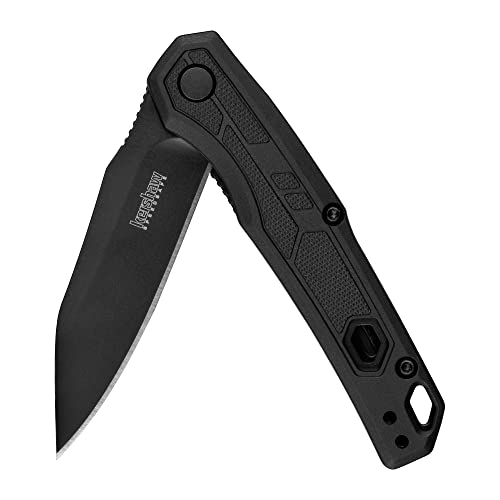
| Kershaw Leek 1660 | Best slim carry and budget | About 3 in | 14C28N | Frame lock, assisted opening | Budget to mid |
| Victorinox Cadet Alox | Best for light tasks and travel | About 2.5 in (plus tools) | Stainless (Victorinox) | Slip joint | Budget |
| Civivi Elementum | Best value flipper | About 2.96 in | Varies by version | Liner lock | Budget to mid |
| Opinel No. 8 | Best traditional camp knife | About 3.4 in | Stainless or carbon steel | Virobloc ring | Budget |
Specifications come from the makers’ published pages. Blade lengths are rounded, and steel on some models changes between production runs, so verify the version in front of you.
Best overall: Benchmade Bugout 535
The Bugout takes a full-size blade and puts it in a body that weighs about as much as a few coins. At roughly 1.85 oz (per Benchmade’s spec sheet) it nearly disappears in a pocket or on a pack strap, but the 3.24-inch drop-point blade is big enough for food prep, rope, tinder and gear repairs. CPM-S30V steel holds an edge well, and the AXIS lock opens and closes smoothly with either hand.
The trade-offs are the thin handle and the price. The slim polymer scales can flex under extreme pressure, and the knife’s lightweight build is not made for prying or batoning. It is a precision cutter first, and a very good one.
Best grip and strength: Spyderco Para 3
The Para 3 is a more substantial knife than the Bugout, with a deep finger choil, large round hole for one-handed opening and a compression lock that is very strong and safe. The CPM-S45VN steel resists corrosion and keeps its edge, which suits wet camps and long trips. Many users find it more secure in the hand than the thinner Bugout when cutting wet or cold material.
It is heavier and thicker, so you will notice it in a pocket, and it costs about as much as the Bugout. If you want maximum control for woodworking, cord and food prep, it is worth it. A lighter version exists with a different steel and polymer handle if weight matters more.
Best slim carry and budget: Kershaw Leek 1660
The Leek is a long-running favorite for a reason. Its slender frame slips into a pocket without a bulge, the 3-inch 14C28N blade is sharp and easy to resharpen, and the assisted flipper opening is quick. It weighs about 3 oz, which is light enough for hikes and daily use.
The limitations are the thin blade tip and moderate strength. Avoid using it for prying, and expect to sharpen it more often than a premium steel. For everyday use, small camp tasks and gifting, it offers outstanding value.
Best for light tasks and travel: Victorinox Cadet Alox
This is a classic Swiss Army knife with a slim aluminum handle, a main blade and a handful of small tools such as a screwdriver and can opener in a pocket-friendly size. It suits hikers who value tools over blade strength: opening packages, trimming moleskin, cutting cord and fixing small items.
Its slip joint is not a locking mechanism, so the blade can fold if you push too hard. It is not the knife to carve with. As a lightweight companion that rarely draws unwanted attention in a city, it is hard to beat.
Best value flipper: Civivi Elementum
The Elementum is a well-liked budget folder with a flipper tab, smooth action and a simple clip. At roughly 3 inches of blade, it covers most EDC jobs. The steel and handle material vary by version, so read the listing carefully and pick one with a steel you know, as higher grades hold an edge longer.
A liner lock is serviceable but less robust than the Para 3’s compression lock. Treat it as a light-duty cutter and it will serve for years.
Best traditional camp knife: Opinel No. 8
The Opinel No. 8 is a French classic with a beechwood handle and a 3.4-inch blade. It is simple, inexpensive, takes a razor edge easily and is fantastic for food prep, whittling and campfire kindling. The Virobloc ring locks the blade open and closed. Choose stainless for low maintenance or carbon steel for easy sharpening if you are willing to oil it.
Wood handles swell in extended wet conditions and the blade thickness is thinner than modern tactical folders. The knife is not intended for hard use or prying, but it excels at camp craft.
How to choose a pocket knife
Blade steel: edge retention versus ease of sharpening
Harder steels such as CPM-S30V and CPM-S45VN keep an edge longer but are slower to resharpen. Softer steels such as 14C28N and many Victorinox stainless blades are easier to touch up on a stone or ceramic rod in the field. For occasional use and travel, ease of sharpening can matter more than edge retention.
Lock type
- AXIS and compression locks: strong and operable with either hand; best for hard use.
- Frame and liner locks: light and simple, with adequate strength for most tasks.
- Slip joints: no lock; fine for light cutting but not for pressure.
- Ring locks: secure for their simplicity but slower to deploy.
Blade length and the law
Many regions limit blade length or opening style in public, and airports prohibit knives in carry-on bags. A blade near 3 inches is a common compromise that covers most work. Check your local rules for assisted-opening or one-hand-opening knives before carrying one.
Weight and a worked example
Suppose you hike a 10-day trail and carry the knife on the pack strap. A 1.85 oz Bugout versus a 3 oz Leek saves about 1.15 oz, and a 4 oz-plus heavy folder weighs more than twice as much as the lightest option. For a long thru-hike, that difference is minor compared with a stove or shelter, but it adds up when you are trimming everything else. Choose the lightest knife that still has enough handle for your hand.
Handle ergonomics
A knife is only as safe as your grip. Look for a handle that fills the hand, has a finger guard or choil and stays secure when wet. Textured polymer, G-10 and Micarta are grippier than smooth metal.
Maintenance and ownership realities
A pocket knife works better and lasts longer with a few habits:
- Wipe the blade dry after use, especially after cutting food or acidic fruit. Moisture and salt cause spots even on stainless steel.
- Clean lint and grit from the pivot with a toothbrush and a drop of light oil every few months.
- Sharpen early rather than late. A few passes on a ceramic rod or fine stone take less effort than rebuilding a dull edge.
- Avoid prying and twisting. The tip is the first part to break.
- Store the knife dry. Carbon-steel blades such as some Opinel versions need a thin film of oil.
What wears first is usually the edge, then the pocket clip and the pivot. Most reputable makers back their knives with warranties or repair services, so register or keep the receipt.
Which pocket knife should you buy?
| Your situation | Choose |
|---|---|
| Hiking and backpacking, weight matters | Benchmade Bugout 535 |
| Hard use, wet hands, bushcraft | Spyderco Para 3 |
| Everyday carry on a budget | Kershaw Leek 1660 |
| Travel and many small tasks | Victorinox Cadet Alox |
| First good flipper knife | Civivi Elementum |
| Camp cooking and whittling | Opinel No. 8 |
Frequently Asked Questions
What is the best pocket knife for hiking and camping?
The Benchmade Bugout 535 is a leading choice because it is very light, has a strong lock and a premium steel. The Spyderco Para 3 is a heavier alternative with a more secure grip.
What blade length should a pocket knife have?
Between 2.5 and 3.5 inches suits most tasks and local laws. Longer blades are heavier and may be restricted, while shorter ones limit food prep and rope work.
Is a locking blade necessary?
For anything beyond light cutting, yes. A lock prevents the blade from folding on your fingers. Slip joints can be fine for small tasks but are less safe under pressure.
How often should I sharpen a pocket knife?
Touch up the edge when it stops slicing paper cleanly or struggles on tomatoes. Light, frequent stropping or rod passes are better than infrequent heavy grinding.
Can I bring a pocket knife on a plane?
Not in carry-on luggage in most countries. Pack it in checked baggage, and review the specific rules of the airline and the destination.
Stainless or carbon steel for camping?
Stainless resists rust and needs little care. Carbon steel sharpens easily and can take a fine edge but needs drying and oiling. For wet climates, stainless is the safer choice.