Key takeaways
- Do not bring brand new boots. Break them in on a hilly route before travel.
- Trim your toenails short a week before the trek to reduce pressure on the descent.
- Pack blister plasters and a spare pair of laces in your daypack.
- Use gaiters for the dusty upper slopes and for rain in the forest zone.
- Dry boots at camp each evening, but keep them away from open flames or hot stoves, which can damage glue and leather.
- Rental boots are available from some operators, but fit varies, so bringing your own is usually safer.
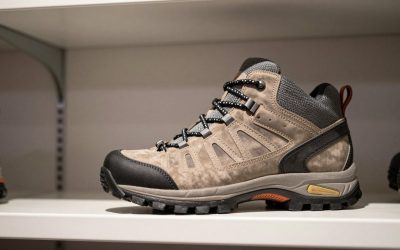
The best boots for Kilimanjaro are waterproof, ankle-high, mid-weight hiking boots, with the Salomon Quest 4 GTX, Lowa Renegade GTX Mid and Scarpa Terra GTX named most often by trekking operators. You do not need mountaineering boots for the standard routes; you need a well broken-in boot with room for warm socks, a grippy sole for loose scree and a fit that holds up on a 1,000-meter descent from the summit.
Our top picks


As an Amazon Associate we earn from qualifying purchases at no extra cost to you.
Quick Comparison of Kilimanjaro Boots
| Pick | Best for | Cut | Waterproofing | Fit character | Price range |
|---|---|---|---|---|---|
| Salomon Quest 4 GTX | Most trekkers | High ankle | Gore-Tex | Roomier, cushioned | Mid to upper-mid |
| Lowa Renegade GTX Mid | Quick break-in, sturdy build | Mid | Gore-Tex | Precise, supportive heel | Mid to upper-mid |
| Scarpa Terra GTX | Leather support, minimal break-in | Mid to high | Gore-Tex | Snug, supportive | Upper-mid |
| Scarpa Zodiac Plus GTX | Lighter weight on rocky ground | Mid | Gore-Tex | Supportive, lighter | Upper-mid to premium |
| Salomon X Ultra 4 Mid GTX | Lighter, athletic feel | Mid | Gore-Tex | Athletic, secure | Mid-range |
| Meindl Bhutan MFS | Wide feet | High | Check current spec | Roomy | Upper-mid |
| Merrell Moab 3 Mid GTX | Budget pick | Mid | Gore-Tex | Roomy, soft | Budget to mid-range |
Recommendations reflect guidance from Kilimanjaro operators and trekking guides, such as Thomson Treks, Tusker and Climb Kili, plus the manufacturers’ spec sheets. Confirm current model names, since makers update models every few years.
What Kilimanjaro Demands From a Boot
Kilimanjaro rises from tropical forest to an arctic summit, so your boots meet mud, rock, loose scree and cold within a few days. Summit night is typically cold, with temperatures well below freezing, and the descent can be long and steep. A boot needs a waterproof liner for the forest and rain zone, enough room for thick socks, ankle support for scree, and a toe box that does not jam on the descent.
Best Overall: Salomon Quest 4 GTX
The Salomon Quest 4 GTX, sold in some markets as the Quest 4D, is the most recommended boot across Kilimanjaro guides. It has Gore-Tex, strong ankle and heel support and good traction on loose scree and wet trails. Tusker notes Salomon boots often feel athletic and cushioned, with a more generous toe box than many European brands, which helps on long descents.
Main trade-off: It is heavy compared with trail runners, and the soft cushioning may feel less precise on technical rock than a stiffer leather boot.
Best for Quick Break-In: Lowa Renegade GTX Mid
The Lowa Renegade GTX Mid is the most frequently named Lowa for Kilimanjaro. Operators call it lightweight but sturdy and comfortable straight out of the box. Tusker notes that Lowa boots usually have a precise, supportive fit with good heel hold, and wide sizes are worth trying if you need room.
Main trade-off: The fit is narrower than Salomon’s for many people, so check the width before you commit.
Best Leather Support: Scarpa Terra GTX
Several guides name the Scarpa Terra GTX for its supportive leather construction and minimal break-in time. It suits trekkers who want firm support on rocky terrain and who are carrying a daypack with extra layers on summit night.
Main trade-off: Leather boots weigh more than synthetic boots and may feel warm in the rainforest zone.
Best Lighter Option: Scarpa Zodiac Plus GTX and Salomon X Ultra 4 Mid GTX
If you prefer lighter boots, the Scarpa Zodiac Plus GTX is described as lightweight yet supportive on rocky, uneven trails. Climb Kili recommends the Salomon X Ultra 4 Mid GTX for those who want a lighter, more athletic boot, particularly women.
Main trade-off: Lighter boots give less insulation and support for tired legs, so they suit experienced hikers with strong ankles.
Best for Wide Feet: Meindl Bhutan MFS
Trekking guides single out the Meindl Bhutan MFS for wide feet. Roomier lasts avoid pressure on the sides of the foot during a week of walking.
Main trade-off: It is not as light or agile as modern synthetic boots.
Best Budget Option: Merrell Moab 3 Mid GTX
The Merrell Moab 3 Mid GTX appears on guides’ budget lists. It has a waterproof Gore-Tex lining, a soft, roomy fit and requires little break-in.
Main trade-off: Support and durability are lower than in the premium boots, which may matter on rough descents.
Decision Matrix: Choosing Your Kilimanjaro Boot
| Your situation | Choose | Reason |
|---|---|---|
| First big trek, want a safe bet | Salomon Quest 4 GTX | Most widely recommended, cushioned |
| Narrow or medium foot, want precise fit | Lowa Renegade GTX Mid | Secure heel hold, little break-in |
| Prefer leather and firm support | Scarpa Terra GTX | Supportive leather |
| Wide feet | Meindl Bhutan MFS or Lowa wide sizes | Roomier last |
| Tight budget | Merrell Moab 3 Mid GTX | Lowest cost with waterproof lining |
How to Choose Boots for Kilimanjaro
Choose a mid-weight, three-season boot
Technical mountaineering boots are unnecessary and heavy. Look for a waterproof, ankle-high boot with a stiff-enough midsole to resist twisting on scree.
Size up for thick socks
Feet swell at altitude and on long days. Leave a thumb’s width in front of your toes, and try boots on with the thick socks you plan to wear on summit night. Tight toes lead to black toenails on the descent.
Break them in for at least a few weeks
Wear your boots on training hikes, ideally for 50 to 100 kilometers in total before departure. Leather boots need more time than synthetic. Test them on downhills to see whether your toes touch the front.
Check grip on loose scree
Look for deep, multi-directional lugs and a defined heel brake. Worn soles slide on scree, so do not bring old boots without checking the tread.
Worked example: sock and boot volume
If you wear a thin sock on day hikes and a thick wool sock on summit night, the boot needs to accommodate about half a size of extra volume. A boot that fits perfectly with thin socks may cramp your toes in thick socks at night. Many trekkers choose a boot that fits comfortably with a mid-weight sock and add a liner sock for extra warmth.
Preparation and Common Mistakes
- Do not bring brand new boots. Break them in on a hilly route before travel.
- Trim your toenails short a week before the trek to reduce pressure on the descent.
- Pack blister plasters and a spare pair of laces in your daypack.
- Use gaiters for the dusty upper slopes and for rain in the forest zone.
- Dry boots at camp each evening, but keep them away from open flames or hot stoves, which can damage glue and leather.
- Rental boots are available from some operators, but fit varies, so bringing your own is usually safer.
Frequently Asked Questions
Do I need hiking boots for Kilimanjaro, or are trail runners enough?
Most operators recommend waterproof hiking boots because of mud, rain, cold and scree. Some fit hikers do fine in trail shoes, but boots give more ankle support and keep your feet warmer on summit night.
Do I need insulated boots for summit night?
Standard three-season boots with a warm sock system are what most operators recommend. Insulated mountaineering boots are generally unnecessary. Pair your boots with thick wool socks and consider chemical foot warmers if your feet get cold easily.
How long should I break in my Kilimanjaro boots?
Aim to wear them on several long hikes over at least a month before your trip. You want to be sure of the fit on both uphill and downhill, and to find hot spots early.
What size boots should I buy for Kilimanjaro?
Choose a size that gives you a thumb’s width in front of your toes and a locked-down heel. Many trekkers go up half a size from their casual shoe size to allow for thick socks and swelling.
Can I rent boots for Kilimanjaro?
Some operators offer rentals, but sizing and condition vary. A pair you have broken in at home is the safer option, especially since blisters can end a climb early.