Key takeaways
- Buying one heavy pair and wearing it in early season, where it overheats you and makes you sweat, which then chills you at dusk.
- Choosing the wrong size for layered wear. Order for your base layer plus pants, not for jeans.
- Ignoring noise. A swishy face fabric can spook deer at close range even if the pattern is perfect.
- Skipping a rain layer. Water-resistant pants soak through in sustained rain, so pack shell pants.
The best hunting pants depend on the season: the Kuiu Attack Pant is the most versatile single pair for three seasons, a lightweight pair like the First Lite Trace or Sitka Ascent suits early-season heat, and an insulated bib or heavy pant such as the Stone Glacier De Havilland takes over in deep cold. Most hunters end up with two pairs, one for warm weather and one for cold, rather than a single do-everything pant.
Our top picks


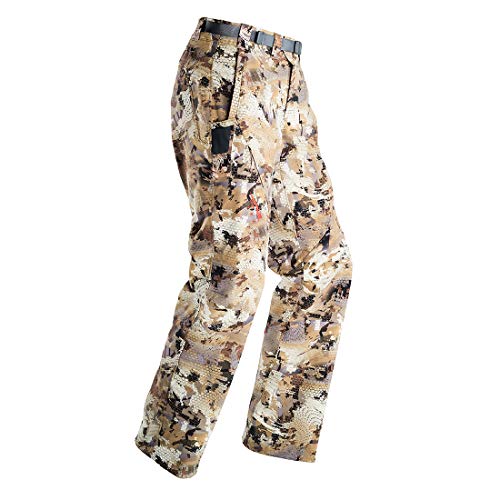
As an Amazon Associate we earn from qualifying purchases at no extra cost to you.
Quick Comparison of the Best Hunting Pants
| Pick | Best for | Fabric type | Weight / feature note | Season | Price range |
|---|---|---|---|---|---|
| Kuiu Attack Pant | All-round hunting, mountain and timber | Stretch synthetic, wind and water resistant | Rated highest overall by GearJunkie’s 2026 guide | Early to mid season | Upper mid |
| First Lite Trace | Early-season bowhunting | Lightweight, breathable synthetic | Soft and quiet, less durable | Early season | Mid |
| Sitka Ascent | Early and warm-weather hunts | Lightweight stretch synthetic | Durable, with strong ventilation | Early season | Upper mid |
| First Lite 308 Whitetail | Active hunting | 4-way stretch | Moves with you on climbs | Mid season | Upper mid |
| Stone Glacier De Havilland | Deep cold | Insulated, heavy | Too hot for early season | Late season | Premium |
| Under Armour Enduro Pant | Mid-priced durable all-round | 100% ripstop nylon, UPF 30+ | About 10 oz, articulated knees | Early to mid | Mid |
| Mossy Oak Woodsman Walker Air | Budget | Lightweight, breathable synthetic | Well below premium cost | Early to mid | Budget |
Best Overall: Kuiu Attack Pant
Outdoor Life lists the Attack first in its 2026 hunting pants guide, and GearJunkie placed it at the top of the pants it compared. It stretches well, resists wind and light moisture, and works across a wide temperature range. Who it suits: hunters who want one dependable pair for most days. Main trade-off: it is wind and water resistant, not fully waterproof, and warmth is moderate, so it is not a cold-weather answer.
Best for Early Season: First Lite Trace and Sitka Ascent
Early-season bowhunting punishes heavy fabric. Outdoor Life notes that the First Lite Trace and Kuiu Tiburon are softer, quieter and more breathable than Sitka’s Ascent, but less durable. The Ascent holds up better to brush and constant wear. Choose the Trace if stealth and comfort matter most, and the Ascent if you hike through thorns and deadfall.
Best for Active Hunting: First Lite 308 Whitetail
With four-way stretch, this pant moves with you over climbs and through crouching shots. It is a good pick for hunters who walk or stalk rather than sit. Main trade-off: it is a premium purchase for a pant that runs warm on early-season days.
Best for Cold Weather: Stone Glacier De Havilland
Reviewers describe it as excellent in the cold and miserable in early season. It is a late-season pant, and it makes sense to treat it as a second pair rather than a replacement for a three-season pant.
Best Mid-Priced Durable Pick: Under Armour Enduro Pant
This pant is made from 100% ripstop nylon, weighs about 10 oz, and has UPF 30+ sun protection and articulated knees, according to listed specs. It is a good choice for hunters who need a rugged, easy-care pant without paying premium brand prices. Main trade-off: it offers less warmth and stretch than premium alternatives.
Best Budget: Mossy Oak Woodsman Walker Air
Outdoor Life says this pant performs far better than cheap cotton pants without costing as much as First Lite, Sitka or Kuiu. It is a sensible way to start hunting with technical fabric. Main trade-off: expect less durability and fewer pockets and features than premium pants.
Best for Wet Weather: Kuiu Chugach TR Rain Pants
GearJunkie found these rain pants excel at waterproofing but offer little warmth, which is exactly what a shell should deliver. They are meant to go over your regular pants, not to replace them.
Which Pants Fit Which Temperature
| Temperature | Layering plan | Pick type |
|---|---|---|
| Above 60 F | Single lightweight pant | Ascent, Trace, budget synthetic |
| 40 to 60 F | Midweight pant with thin base | Attack, 308 Whitetail |
| 25 to 40 F, sitting | Midweight pant with fleece base or insulated bib | Insulated bib |
| Below 25 F | Heavy insulated pant or bib | De Havilland, bib |
These bands are general guidance. Your own metabolism, activity level and wind exposure will shift them by 10 degrees or more.
How to Choose Hunting Pants
Pick fabric for noise
Brushed face fabrics and merino blends are quiet. Slick nylon swishes when you walk, which matters at close range.
Check stretch and articulation
Stretch panels and articulated knees reduce strain on climbs and when you kneel for a shot.
Look at pockets and fit
A secure thigh pocket for a rangefinder or phone and a belt or adjustable waist matter more in practice than an extra insulation layer.
Plan layers, not one pant
One shell, one midweight pant and one insulated bib cover most of the year for less than three premium pants.
Durability and Ownership Realities
Knees, seat and pocket edges wear first. Lightweight early-season pants trade abrasion resistance for breathability, so expect a Trace-style pant to show wear sooner than a ripstop pant like the Enduro. Burrs and thorns pull threads in soft brushed fabrics. Wash hunting pants with scent-free detergent, skip fabric softener, and air-dry or tumble on low to protect stretch and water-repellent finishes.
Common Mistakes When Buying Hunting Pants
- Buying one heavy pair and wearing it in early season, where it overheats you and makes you sweat, which then chills you at dusk.
- Choosing the wrong size for layered wear. Order for your base layer plus pants, not for jeans.
- Ignoring noise. A swishy face fabric can spook deer at close range even if the pattern is perfect.
- Skipping a rain layer. Water-resistant pants soak through in sustained rain, so pack shell pants.
Budget Planning Across a Season
A practical three-pair plan is one lightweight early-season pant, one midweight pant for most of the year and one insulated bib for the coldest days, plus a packable rain pant. If you hunt fewer than a dozen days a year, a single versatile pant such as the Attack or the Enduro plus a rain shell covers nearly everything. Spread the cost over the number of days worn: a pair worn thirty days a year for five years costs a small fraction per day compared with its sticker price.
Frequently Asked Questions
What are the best hunting pants for early season?
Lightweight, breathable pants such as the First Lite Trace and Sitka Ascent. They shed heat and stay quiet in warm weather.
Are hunting pants waterproof?
Most are water-resistant, not fully waterproof. Rain pants like the Kuiu Chugach TR are designed to go over them.
Should I buy pants or bibs for late season?
Bibs block drafts and keep the lower back warm when you sit. Heavy pants are easier to wear on long walks.
Do I need merino hunting pants?
Merino resists odor and stays warm when damp, which is why some hunters like it. It is not required, and synthetic options are cheaper.
How should hunting pants fit?
Snug enough not to snag, with room to squat and kneel. Test them with your boots on.