
Key takeaways
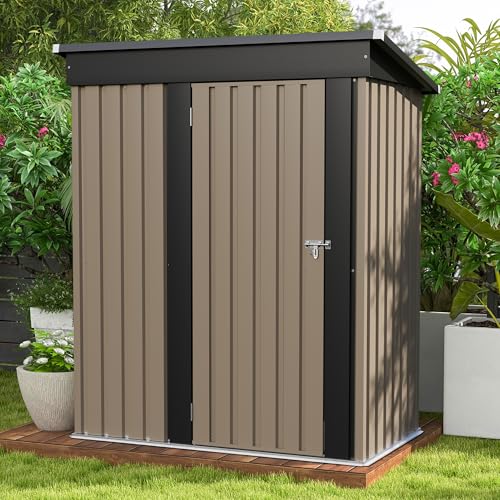
- Budget: Small vertical and horizontal resin sheds for bins, tools and cushions.
- Mid-range: Medium resin sheds such as Suncast and Keter, 6 by 8 to 8 by 10 feet.
- Premium: Larger Lifetime or Keter models, vinyl, or wood kits with custom features.
Lifetime is the brand reviewers most often pick for durability in a larger shed, Keter is picked for appearance and for bigger sheds with reinforced walls, and Suncast is picked for faster assembly and smaller vertical or horizontal storage. The best outdoor storage shed depends on what you store, how much space you have, local rules and how much assembly you can face. This guide compares the three main resin shed brands, explains size, foundation and permit considerations, and ends with a decision table and FAQ.
Our top picks



As an Amazon Associate we earn from qualifying purchases at no extra cost to you.
Outdoor Storage Sheds at a Glance
| Brand / type | Best for | Key stated or reported traits | Limits |
|---|---|---|---|
| Lifetime (for example the 8 by 10 dual entry model) | Durability, heavy use, larger storage | Polyethylene panels with steel reinforcement; reviewers report thicker, stiffer panels; one comparison lists a 10 year warranty; assembly reported at about 6 to 8 hours for an 8 by 10 | Mid to premium tier; long assembly; plain look |
| Keter (for example the Factor 8 by 6) | Appearance, larger sheds with French doors | Polypropylene resin with steel reinforcement, UV protection and wood-like texture | Reviewers note occasional quality-control issues |
| Suncast (for example the Tremont) | Fast assembly, vertical storage, value | Reviewers report 4 to 5 hours of assembly for the Tremont; floor included on some models | Reviewers say panels are less thick than Lifetime |
| Small vertical or horizontal resin sheds | Bins, tools, cushions | Compact footprint, budget tier | Limited height and capacity |
| Wood sheds and kits | Workshops, custom looks | Can be built to size | Need paint or stain, more upkeep |
| Metal sheds | Budget, fire-resistant storage | Steel panels | Can dent or rust; hot inside |
Warranty and assembly figures come from makers and from comparison sites such as Reviews By People, Zomg The Handyman and Modelrec, many of which are affiliate-style. Rankings disagree, so confirm dimensions, floor inclusion and the warranty on the maker’s page for the exact model.
How to Choose an Outdoor Storage Shed
Size and capacity
Decide what goes inside. A lawn tractor, bikes and a wheelbarrow need a door at least 3 to 4 feet wide and a floor of 8 by 10 feet or more. Garden tools, a trash can and cushions fit in a small vertical shed of about 3 by 4 feet. Add 20 to 30 percent to your estimate, since things multiply. Compare the listed internal height and the door opening, not only the outside footprint.
Material
Resin (polyethylene or polypropylene) does not rust or rot, needs little maintenance and does not need paint. It is the usual pick for DIY buyers. Walls can flex in wind unless reinforced by steel, as Lifetime and Keter say they are. Panels can fade in strong sun, so look for UV protection.
Wood gives a custom look and strong walls and can be used as a workshop. It needs paint or sealant, and can rot or attract pests if neglected.
Steel is low in cost and resists fire, but it can dent, rust and get hot.
Vinyl sheds are low maintenance and tough, though their price is higher.
Floor and foundation
Some resin sheds include a floor and some do not, so check the listing. A level, firm base of gravel, pavers or a concrete pad is essential for doors to close and walls to stay square. Makers typically give base dimensions in the manual. Without a level base, doors can bind and the structure can twist.
Anchoring and wind
Anchor the shed according to the maker’s manual, using the included or recommended anchors for your base type. Light resin sheds can move in strong wind if not secured. In hurricane or high wind regions, consult local rules and the maker about anchoring.
Permits and setbacks
Many towns and homeowner associations regulate sheds by size, height and distance from property lines. Some require permits above a certain footprint, often in the range of 100 to 200 square feet, though this varies by location. Contact your local building department or HOA before buying.
Ventilation and security
Vents reduce moisture and heat. Doors with a hasp or lockable handle add basic security, and a lock stops casual theft. Do not store fuel, propane or other hazards in a shed unless you follow the product labels, the shed maker’s guidance and local fire codes. Keep the shed clear of vents, grills and heat sources.
Assembly
Assembly times differ by shed and help: reviewers report about 4 to 5 hours for the Suncast Tremont and 6 to 8 hours for the Lifetime 8 by 10. A second person makes lifting and aligning easier. Use the supplied hardware and follow torque and sequence in the manual.
Brand Notes
Lifetime
One comparison puts Lifetime first on durability, noting that its 8 by 10 shed uses polyethylene with steel reinforcement and carries a 10 year warranty. Owners describe panels as noticeably thicker than competitors, and Reviews By People names the dual entry model its best overall. The trade-off is a longer, more demanding build.
Keter
Keter models use polypropylene resin with steel reinforcement and a wood-look texture. Reviewers rate them highly on appearance and mention that larger Keter sheds with reinforced walls and French doors work well above about 50 cubic feet. Some reviewers mention quality-control issues, so inspect parts on arrival.
Suncast
Suncast is often the pick for smaller vertical sheds and for quick assembly. One source says it leads for large-capacity resin sheds with included floors and long warranties, while another notes Lifetime’s panels are thicker. Confirm the warranty on the maker’s page.
Budget Tiers
- Budget: Small vertical and horizontal resin sheds for bins, tools and cushions.
- Mid-range: Medium resin sheds such as Suncast and Keter, 6 by 8 to 8 by 10 feet.
- Premium: Larger Lifetime or Keter models, vinyl, or wood kits with custom features.
Pick X If… Decision Table
| Pick this | If you |
|---|---|
| Lifetime | want maximum durability for a larger shed and can handle a long assembly |
| Keter | care about looks or want double doors and a larger interior |
| Suncast | want quicker assembly, a smaller vertical unit or included floor |
| Small resin shed | need to store bins and tools in a tight yard |
| Wood shed or kit | need a workshop, custom size or matching style |
| Metal shed | need low cost and can accept dents and heat |
Organizing the Inside
A shed is easiest to live with if the layout is planned before the first box goes in. Hang long-handled tools on wall hooks or a rail so the floor stays free, and keep a clear path to the door. Many resin sheds include shelf brackets or sell shelving sets, but check the maker’s weight limit for shelves and for wall-mounted hooks, since resin walls are not designed to carry the same load as a framed wall. Put heavy items low and near the door, and keep chemicals, fertilizers and fuel on a low shelf with the lids closed, away from heat, children and pets, and in line with the product labels and local rules.
Moisture is the quiet enemy. Even a well-sealed resin shed can collect condensation, which rusts tools and ruins cardboard. Vents help, and so does keeping tools clean and dry before storing them, raising items off the floor on pallets or shelves, and leaving the door open on dry days to air the space. Rodents and insects look for sheltered gaps, so seal obvious holes around the base and avoid storing bulk bird seed or pet food in open bags.
Maintenance Through the Year
- Wash resin walls with mild soap and water, and avoid harsh solvents that could cloud the surface.
- Check the anchors and the base after storms or freeze-thaw cycles, and re-level if the ground has shifted.
- Lubricate hinges and locks lightly as the maker suggests.
- Clear snow from the roof as the manual directs, because resin roofs have snow load limits listed by the maker.
- Trim plants and branches that touch the walls or roof.
Alternatives Worth a Look
- Deck boxes and storage benches: Good for cushions and small tools.
- Lean-to or garage shelving: If you have a garage, shelving may replace a shed.
- Off-site storage: For seasonal items, a rented unit may be cheaper than a permitted build.
Frequently Asked Questions
Do I need a permit for a storage shed?
It depends on size, height and local rules. Many areas require permits above a certain footprint, and homeowner associations may have their own limits. Call your local building department before buying.
Do resin sheds need a foundation?
Yes. A level, solid base such as gravel, pavers or a pad is needed so that doors close and the walls stay square. Follow the maker’s manual for the base size and anchoring.
Which is stronger, Lifetime or Keter?
Reviewers often rate Lifetime ahead on panel thickness and durability, and Keter ahead on looks. Both use steel reinforcement, so compare the specific models and warranty terms.
Can I store a lawn mower in a resin shed?
Many people do if the door and floor are sized for it. Check the door width and floor load rating on the maker’s page. Do not store fuel in the shed unless the fuel label and local codes allow it.
How long does it take to assemble a shed?
Smaller sheds take a few hours, while larger ones take most of a day. Reviewers report about 4 to 5 hours for the Suncast Tremont and 6 to 8 for the Lifetime 8 by 10. Work with a second person.
How do I keep a shed from moving in wind?
Anchor it to its base using the maker’s recommended method, and keep the base level. In high-wind areas, ask the maker and your local office about anchoring rules.





