
Key takeaways
- Size on the same day, when feet are slightly swollen, and stand in the sandal.
- Your heel should sit in the footbed without hanging off, and toes should not overhang the front.
- Wear new sandals around the house or on short walks before a long hike. Chaco in particular is reported to need break-in time.
- Rinse after muddy or salty outings and let them air-dry out of direct heat, which can warp footbeds.
- Clean the footbed with mild soap to control odor, following the maker’s care guidance.
- Replace sandals when the outsole lugs wear smooth or the straps fray.
For most men, the Chaco Z/Cloud or Z/2 suits rough trails and long days thanks to arch support and a locked-in strap fit, the Teva Hurricane XLT2 or Terra Fi 5 suits cushioned comfort and easier terrain, and the KEEN Newport H2 suits anyone who wants toe protection in wet, rocky conditions. Pick based on terrain and how much foot protection you want, then spend time on fit, because a sandal that slips or rubs will ruin a hike faster than any missing feature.
Our top picks



As an Amazon Associate we earn from qualifying purchases at no extra cost to you.
Hiking Sandals for Men at a Glance
| Model | Best for | Key stated or reported traits | Limits |
|---|---|---|---|
| Chaco Z/Cloud 2 and Z/Cloud | Arch support, rough trails | Reviewers cite thick rubber sole, strong arch support; Switchback Travel names the Z/Cloud best overall | Needs a break-in period; strap adjustment takes time |
| Chaco Z/2 Classic and Z/1 Classic | Durable, adjustable classic | Kit Authority gives the Z/2 its Editor’s Choice; CleverHiker calls the Z/1 a great deal | Firmer feel; heavier than some rivals |
| Teva Hurricane XLT2 | Cushioned everyday hiking and water | Outdoor Life names it best overall | Less arch support than Chaco, per reviewers |
| Teva Terra Fi 5 Universal | Comfort on moderate trails | REI and CleverHiker rate it highly for comfort | Open toe |
| Teva Original Universal | Budget | Switchback Travel picks it for value | Basic cushioning and traction |
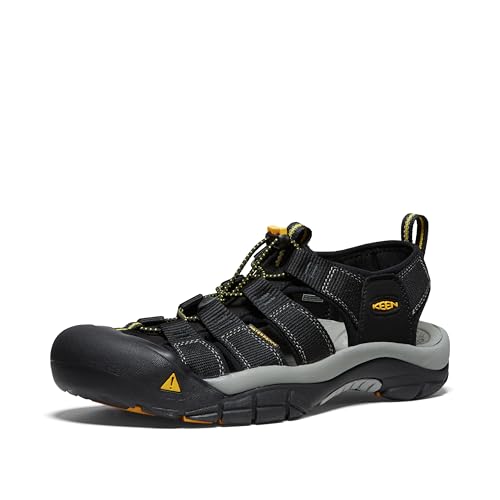
| KEEN Newport H2 | Closed-toe protection, wet terrain | Several reviewers name it best closed-toe sandal | Warmer and heavier |
| KEEN Hyperport H2 | Lightweight protected sandal | REI names it a top pick | Check fit across your foot shape |
| Bedrock Cairn Evo | Minimalist, flexible | REI Editors’ Choice and Switchback runner-up | Less cushioning; adjustment period |
Details come from outlet reviews and maker listings, and fit varies with foot shape. Read the maker’s size guidance before buying.
How to Choose
Match the sandal to the terrain
For smooth dirt paths, cushioned Teva models are often enough. For rocky or rooty trails, a Chaco with a thick lugged sole offers more underfoot protection. Where stubbing a toe is likely, such as scrambly rocks or boulder fields, a closed or bumpered toe like KEEN’s design lowers that risk. A foot surgeon’s review notes that stubbed or broken toes are the main danger of sandal hiking.
Support and cushioning
Arch support differs. Chaco leans toward structure and support, Teva toward soft cushioning, and Bedrock toward a flexible, minimal feel. People with foot pain or specific conditions should speak with a podiatrist or physician about footwear before long hikes.
Strap systems
Chaco’s continuous webbing strap allows custom adjustment but takes time to dial in. Teva uses hook-and-loop straps that adjust quickly. KEEN’s closed-toe designs lace or cinch for a shoe-like hold. A good fit keeps the heel from sliding and avoids pressure points.
Traction and sole
Look for deep lugs and a rubber compound suited to wet rock. Reviewers say a thicker sole shields feet from sharp ground, while thinner soles feel closer to the trail but protect less.
Water and drying
Synthetic webbing and quick-drying footbeds help for stream crossings. Sandals with sticky footbeds may rub when wet, so try them with and without socks if you plan to wear socks.
Fit and Break-In Notes
- Size on the same day, when feet are slightly swollen, and stand in the sandal.
- Your heel should sit in the footbed without hanging off, and toes should not overhang the front.
- Wear new sandals around the house or on short walks before a long hike. Chaco in particular is reported to need break-in time.
- Rinse after muddy or salty outings and let them air-dry out of direct heat, which can warp footbeds.
- Clean the footbed with mild soap to control odor, following the maker’s care guidance.
- Replace sandals when the outsole lugs wear smooth or the straps fray.
Budget Tiers and Trade-offs
- Budget tier: Teva Original Universal and basic Chaco Z/1 deals suit short hikes and water days.
- Mid-range tier: Teva Hurricane XLT2, Terra Fi 5 and KEEN Newport H2 cover most hikers.
- Premium tier: Chaco Z/Cloud 2 and recent KEEN Hyperport H2 add support, durable soles and refined fit, and Chaco often offers resoling through the maker.
Safety Notes
- Sandals offer less protection against rocks, thorns, snakes and cold than shoes. Choose closed-toe designs on rough or brushy routes.
- Bring socks and a backup shoe on long or changing-weather hikes.
- Apply sunscreen to the tops of your feet.
- If a hike causes persistent foot pain, blisters that do not heal or numbness, see a doctor or podiatrist.
Pick X If You Want Y
| Pick this | If you |
|---|---|
| Chaco Z/Cloud 2 or Z/2 | want arch support and a secure strap on rough trails |
| Teva Hurricane XLT2 | want cushioning and quick-adjust straps |
| Teva Terra Fi 5 Universal | want a comfortable sandal for moderate hikes |
| Teva Original Universal | need a budget sandal for easy outings |
| KEEN Newport H2 | worry about stubbed toes or hike in wet terrain |
| Bedrock Cairn Evo | prefer a minimalist, flexible sole |
Alternatives to Consider
Trail runners
Lightweight trail running shoes protect the whole foot, dry fairly quickly and suit longer miles in cooler or rough conditions.
Water shoes
Closed water shoes offer drainage and protection for stream hikes, though most lack arch support for long distances.
Light hiking shoes
Low-cut hiking shoes such as the Merrell Moab family are better when you need protection and weather resistance.
Hiking in Sandals: When It Works and When It Does Not
Sandals shine in warm, wet and moderate terrain. They shed water, dry quickly, keep feet cool and reduce blisters for people who dislike enclosed shoes. On the other hand, they expose toes and the top of the foot to rocks, thorns, insects and sunburn, and they offer little warmth on cold mornings.
- Good conditions: established trails, river and beach walks, hot weather, and trips with many water crossings.
- Be cautious: loose scree, dense brush, snake country, sharp volcanic rock and heavy pack loads.
- Not suitable: snow, ice, cold wet days or technical scrambles.
Sizing Tips for Men
Men’s lasts differ among brands. Chaco is known for its strap system, which can accommodate a range of foot widths, but the footbed length is fixed, so consider half sizes with care. Teva typically feels a little roomy with adjustable straps, while KEEN’s closed-toe designs use a wider toe box. If you are between sizes, a size that keeps the heel supported and toes inside the footbed is usually better than a larger one that slides.
Weight and Pack Considerations
Sandals are generally lighter than shoes, but heavier cushioned models can still add noticeable weight over a long day. If you carry a loaded pack, a firmer sole and secure straps matter more, because sandal footbeds that feel plush with a light day pack can compress and fatigue the foot under load. Many hikers keep a lightweight pair of socks and a second pair of shoes in the car for the end of the trip.
Care, Longevity and Resoling
Well-made sandals can last several seasons. Chaco is commonly said to offer a resoling service, which buyers point to as a long-term value advantage. Straps wear first, especially where webbing rubs the buckle, so look for stitching and fittings that look robust. Foam midsoles compress over time, so if the footbed feels flat or your arches ache after short outings, it is time to replace the pair. Wash footbeds regularly to limit odor, and avoid leaving sandals in a hot car, which can warp foam and loosen glue.
Finally, consider how you will use them beyond the trail. Many men wear the same sandals around camp, on the boat and for travel days, so a model with a neutral look and easy-clean materials can earn its place in more than one situation.
Whatever you choose, plan a short test walk with a loaded pack before any big trip, and keep notes on where the fit feels off so you can adjust straps, laces or socks before the miles add up.
Frequently Asked Questions
Are hiking sandals good for long trails?
Many hikers use them on long, warm, well-maintained routes, while others find shoes safer for rough terrain. Foot protection, sock choice and your tolerance for debris matter more than the model.
Chaco or Teva, which is better?
Reviewers say Chaco gives more arch support and durable traction, and Teva gives softer cushioning and easier adjustment. Your foot shape and terrain decide the winner.
Do I need closed-toe sandals?
If you hike over rocks, roots or brush, a closed or bumpered toe reduces the chance of injury. On smooth paths, open-toe sandals are often fine.
Can I wear socks with hiking sandals?
Yes, thin synthetic or wool socks can reduce rubbing and add warmth, though some people dislike the look. Choose sandals with straps that accommodate the extra thickness.
How should hiking sandals fit?
Your heel should sit fully in the footbed, toes should not hang over the edge, and straps should hold the foot without pressure points. Try them with the socks you plan to wear.
How do I clean and care for them?
Rinse off mud and salt, wash with mild soap, and air-dry away from direct heat. Follow the maker’s care instructions and replace worn soles or frayed straps.





