
Key takeaways
- Clean with mild soap and water as the maker advises; avoid harsh chemicals that can damage fabric or finish.
- Let cushions dry fully before covering to prevent mildew.
- Keep furniture away from fire pits and grills; fabrics and foam can burn or melt. Follow the maker’s clearance guidance.
- Check bolts and joints seasonally, and do not exceed stated weight limits.
- Anchor or weigh down lightweight furniture ahead of storms.
For low-maintenance, weatherproof seating that lives outdoors all year, a recycled-plastic (HDPE) set such as Polywood is the common pick; for modular lounge comfort with performance fabric, Outer or Article suit design-focused buyers; and for a budget patio, Hampton Bay or similar steel-or-aluminum frame sets with cushions work if you store the cushions out of rain. Frame material and cushion fabric decide how long a sofa survives your climate.
Our top picks


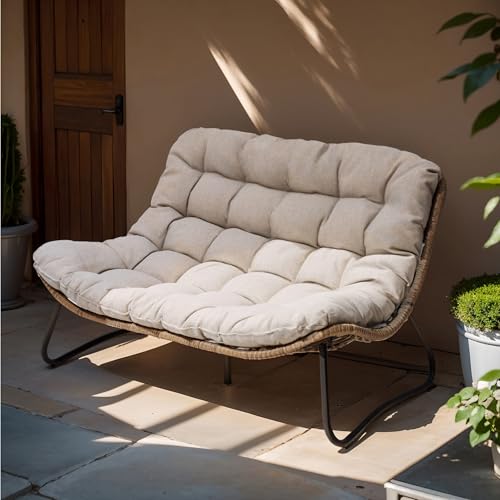
As an Amazon Associate we earn from qualifying purchases at no extra cost to you.
At a glance
| Option | Best for | Materials the maker lists | Limits |
|---|---|---|---|
| Polywood | Year-round exposure, coastal or rainy areas | Recycled HDPE lumber frames; cushions sold separately or included | Heavy, premium tier; stiff without cushions |
| Outer | Modular, low-profile contemporary design | Aluminum or woven frame, weather-resistant fabrics | Premium tier; ordering lead times |
| Article outdoor | Mid-century style, mid-range tier | Aluminum or acacia, performance fabric cushions | Wood needs maintenance |
| Hampton Bay | Budget patio sets | Steel or aluminum frames, polyester cushions | Cushions need cover storage; frames can rust if coating chips |
| Frontgate | High-end, all-weather wicker | Resin wicker over aluminum, Sunbrella-type fabrics | Premium tier |
| Loll Designs | Sustainable, simple designs | Recycled HDPE | Fewer sofa configurations |
What to look for
Frame material
Aluminum does not rust and is lightweight, which makes rearranging easy, though lightweight frames can shift in high wind. Powder-coated steel is strong and heavy but can rust if the coating chips. Teak and acacia look warm and last with care, with teak the more durable but premium priced. Recycled HDPE lumber, used by Polywood and Loll, resists moisture and needs little upkeep. Resin wicker over aluminum gives a woven look with lower weight.
Cushion fabric and fill
Solution-dyed acrylic fabrics, commonly sold under the Sunbrella name, are widely praised by reviewers for resisting fading and mildew. Polyester cushions in budget sets tend to fade sooner. Quick-dry foam allows water to drain through, while standard foam holds water longer. Look at whether covers are removable and washable.
Size and layout
Measure the space, then include walkways. Modular pieces give flexibility for corner layouts, while a standard three-seat sofa suits a smaller deck. Check seat depth and height: deep, low seats feel loungey, upright seats suit conversation and dining.
Weather and storage
Even weather-resistant cushions last longer when stored during heavy rain or winter. Fitted covers help. If you live where it freezes, check maker guidance on leaving furniture out during winter, since trapped water can damage some frames.
Wind and stability
Light aluminum furniture can blow around in storms. Consider heavier pieces, tie-downs where allowed, or move cushions indoors before storms.
Option by option
Polywood
Polywood builds furniture from recycled HDPE lumber and states that it resists moisture, insects and fading. It is often chosen for coastal homes and rainy regions. Reviewers highlight durability and low upkeep, with the trade-off being weight, a premium tier, and a stiffer feel without cushions. Seating comfort relies on the cushions, which are sold with some models.
Outer
Outer is known for modular sofas with a clean modern look. The maker lists weather-resistant frames and performance fabric options. It suits designers and larger decks that want sectional layouts. Expect a premium tier and some lead time on orders.
Article
Article offers outdoor sofas in a mid-century style, in a mid-range tier. Frames range from aluminum to acacia wood, and cushions use performance fabrics. Wood frames need periodic sealing or oiling per the maker’s care instructions, which is worth considering if you want low maintenance.
Hampton Bay
Hampton Bay sells patio sets in budget to mid-range tiers, with steel or aluminum frames and polyester cushions. They are a practical choice for a first patio or a covered area. Reviewers advise storing cushions under cover and touching up chips in frame coatings to avoid rust.
Frontgate
Frontgate offers all-weather wicker over aluminum frames and performance fabric cushions in a premium tier. The look is traditional and polished. It suits buyers who want a living-room feel outdoors.
Loll Designs
Loll Designs uses recycled HDPE in simple, modern shapes and markets durability and low upkeep. The range of sofa configurations is narrower, but the materials align with weatherproof, low-maintenance buyers.
Pick X if you…
| If you… | Pick | Why |
|---|---|---|
| Leave furniture out in all weather | Polywood or Loll | HDPE frames resist moisture |
| Want modular sectional layouts | Outer | Flexible modules |
| Prefer mid-century style at mid-range cost | Article | Design-led, performance fabrics |
| Have a covered patio and tight budget | Hampton Bay | Low cost |
| Want a living-room feel outdoors | Frontgate | Wicker and plush cushions |
| Care about recycled materials | Loll or Polywood | Recycled content |
Budget tiers
Budget sofas use steel or thin aluminum with polyester cushions, which can be fine for covered spaces. Mid-range sofas upgrade fabrics, foam, and frame finishes. Premium sofas focus on durable frames, performance fabrics, modular design and warranty support. Cushions are usually the first part to wear, so look at cushion quality and replacement availability.
Care and safety notes
- Clean with mild soap and water as the maker advises; avoid harsh chemicals that can damage fabric or finish.
- Let cushions dry fully before covering to prevent mildew.
- Keep furniture away from fire pits and grills; fabrics and foam can burn or melt. Follow the maker’s clearance guidance.
- Check bolts and joints seasonally, and do not exceed stated weight limits.
- Anchor or weigh down lightweight furniture ahead of storms.
Alternatives to consider
- Outdoor loveseats and chairs: better for small balconies.
- Daybeds and chaise lounges: good for pool decks and relaxing.
- Convertible sets with a table: value for mixed dining and lounging.
Planning the layout and budget
Before comparing brands, sketch your space and note where sun, wind and rain reach it. A sofa on a fully covered porch has very different needs from one on an open deck facing the weather. Covered spaces allow lighter frames and less costly cushions, while open spaces reward HDPE, aluminum and performance fabrics. Leave walking room on all sides, plan where a side table or ottoman will go, and check that gates and doors are wide enough for delivery of large pieces.
Think about comfort over looks. Seat depth, back angle and cushion firmness decide whether you sit up for conversation or recline for long afternoons. Look at the maker’s stated seat height and depth, and compare them with a sofa you already find comfortable. Where cushions are sold separately, price the full seating set, since the frame alone may feel hard.
Finally, look at service. Premium makers often sell replacement cushions and covers, which can extend the life of a frame for years. Budget sets may not offer replacements, so a worn cushion could mean replacing the whole set. Read warranty terms for what is covered, such as frame corrosion versus fabric fading, and keep care instructions on hand.
Common mistakes to avoid
The most frequent mistake is buying for looks alone and ignoring exposure. A sofa that suits a covered porch may struggle on an open deck in a rainy or sunny climate. A second mistake is skipping measurements: a set that looks modest in photos can crowd a small patio once cushions and side tables are added. A third is ignoring cushion storage. If you have nowhere to put cushions during storms or winter, choose a design with fast-drying foam and fitted covers, or budget for a deck box.
Buyers also overlook assembly and delivery. Large sofas can arrive in several boxes, and heavier materials need two people to move. Plan the route to the final spot, and check whether the maker offers assembled delivery. Keep hardware and spare parts in a labeled bag for later tightening.
Frequently Asked Questions
What is the most durable material for an outdoor sofa?
Recycled HDPE and aluminum are commonly named as low-maintenance, durable options. Teak is also durable but needs more care to keep its color. The best material depends on your climate and how much upkeep you want to do.
Do I need to cover outdoor furniture in winter?
Covering or storing cushions extends their life in most climates. Frames made of HDPE or aluminum can often stay out, but follow the maker’s guidance. In freezing areas, prevent water pooling in cushions or hollow frames.
What fabric is best for outdoor cushions?
Solution-dyed acrylic, such as Sunbrella, is widely cited for fade and mildew resistance. Polyester is more affordable but may fade sooner. Look for removable covers and quick-dry foam.
How do I choose the right size?
Measure your space and leave room for walkways, then compare with the maker’s listed dimensions. Mock up the footprint with tape on the floor. Modular pieces help for irregular spaces.
Will an outdoor sofa blow away in wind?
Lightweight aluminum can move in strong wind. Heavier frames, such as HDPE, resist better. Bring cushions in before storms and use tie-downs where appropriate.
How often should I clean outdoor cushions?
Brush off debris regularly and wash covers or spot clean a few times per season, per the maker’s care label. Clean spills quickly to avoid stains. Dry fully before storing.





