Key takeaways
- GRS-certified recycled galvanized steel
- Oval shape provides even soil depth without sharp corner pockets
- Single-piece assembly is straightforward, but the thin profile may flex when fully loaded with wet soil
What's inside
Choosing raised beds for gardening is more complicated than it looks at first glance. A buyer walking into this category encounters metal kits priced under twenty dollars alongside wheeled planters that cost triple that, and the gap between them is not always about build quality alone. Soil retention, drainage depth, assembly complexity, and whether the bed is genuinely rot-resistant or simply marketed that way all shape whether a season ends in harvest or frustration.
What separates a good raised bed from a mediocre one comes down to a handful of measurable factors: the gauge and coating of the metal, the internal volume relative to footprint, the number of parts and fasteners between you and a filled planter, and whether the design actually keeps weeds from growing up through the bottom. This roundup compares eight products on published specifications, current pricing, and aggregated owner feedback to help you match the right bed to your growing conditions in 2026.
As an Amazon Associate we earn from qualifying purchases at no extra cost to you. Product prices and availability are accurate as of the date shown and are subject to change.




Quick Picks
| Product | Best for | Price |
|---|---|---|
| Rakukiri GRS Oval Planter | Tight-budget first-time growers | $16.99 |
| Utopia Home 4×2 Kit | Small-space vegetable patches | $19.49 |
| Land Guard Oval Bed | Larger footprint on a low budget | $19.99 |
| LEETOLLA Elevate 32″ | Gardeners with mobility limitations | $59.84 |
| Raised-Bed Gardening for Beginners | Learning proper bed setup | $9.55 |
| Tegarbed 2-Pack | Pairing crops across two zones | $49.99 |
| Meberam 6×3 2-Pack | Maximizing growing area per dollar | $32.99 |
| 1MORE Modular Planter | Customizable layout configurations | $29.99 |
How We Picked
Four criteria drove this selection: material durability (galvanized steel thickness and coating certification), usable soil volume relative to the external footprint, assembly simplicity for a single person, and value measured as cost per square foot of growing surface. We also considered whether each product includes features that address common owner complaints—drainage holes that clog, seams that separate under wet soil pressure, and corners that corrode within a season.
The 8 Best Raised Beds For Gardening in 2026
Rakukiri GRS Certified Galvanized Oval Planter
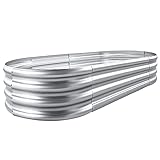
This five-foot oval bed targets growers who want a real metal raised bed without committing more than twenty dollars. The GRS certification confirms recycled-content steel, which appeals to environmentally conscious buyers, and the rot-resistant design means no annual replacement cycle. Owners note the silver finish blends well in mixed-material yards.
- GRS-certified recycled galvanized steel
- Oval shape provides even soil depth without sharp corner pockets
- Single-piece assembly is straightforward, but the thin profile may flex when fully loaded with wet soil
Skip it if you need a deeper bed for root crops or if your soil is heavy clay that will press hard against the sides.
Utopia Home Galvanized 4x2x1ft Kit
The four-by-two footprint is a practical middle size for patios, balconies, and narrow side yards where a longer bed would block movement. Utopia Home’s kit ships with pre-cut panels and requires minimal tools, which owner reviews consistently confirm. The one-foot depth suits leafy greens, herbs, and shallow-rooted vegetables well.
- Fits tight spaces without sacrificing usable area
- Easy assembly praised across buyer feedback
- Single-unit pack means expansion requires purchasing multiples at full price
Skip it if you plan to grow carrots, parsnips, or anything needing more than a foot of root depth.
Land Guard Galvanized Oval Large Bed
Land Guard positions this as a larger-format oval at nearly the same entry price as smaller competitors. Buyers attracted to its footprint often report the tradeoff is a thinner gauge steel than premium beds, and the oval geometry can make straight-row planting less intuitive than rectangular designs. It remains a low-risk option for experimental garden plots.
- Large growing area for under twenty dollars
- Galvanized coating resists surface rust in moderate climates
- Specs suggest lighter gauge steel; long-term durability in wet seasons is uncertain
Skip it if you need structural rigidity for a permanent installation with heavy soil loads.
LEETOLLA Elevate 32″ Raised Garden Bed with Wheels
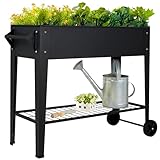
At thirty-two inches tall with integrated wheels, this is the standout accessibility option in the group. It is designed for gardeners who cannot bend comfortably—those with knee, hip, or back limitations—and the elevated format also deters some ground-level pests. The premium price reflects the added mechanical components and heavier frame.
- Elevated height eliminates the need to crouch or kneel
- Wheels allow repositioning to follow sunlight or shelter from storms
- Higher cost and larger footprint limit placement options in compact yards
Skip it if your garden is flat-ground, your mobility is unrestricted, and budget matters more than convenience.
Raised-Bed Gardening for Beginners (Book)
This entry is a guide rather than a physical bed, and it earns its place here because several buyers searching for raised beds for gardening are actually beginners who first need to understand soil layering, drainage strategy, and crop spacing before spending on hardware. At under ten dollars, it reduces the risk of a costly early-season mistake.
- Teaches proper fill layering to avoid common beginner errors
- Covers crop selection matched to bed depth
- Not a physical product—buy it alongside a bed, not instead of one
Skip it if you already have a solid grasp of soil science and planting calendars.
Tegarbed Galvanized 2-Pack 4x2x1ft
Two galvanized beds for under fifty dollars makes this the volume value pick for growers who want to separate crops or rotate between zones. The bottomless design means roots reach native soil below, which benefits moisture regulation and microbial access. Owners flag that the two-pack format still requires individual assembly for each unit.
- Two full-size beds at a per-unit cost below most single-bed competitors
- Bottomless construction supports deeper root exploration
- No base liner means weeds can intrude from below without ground-cover fabric
Skip it if you are placing beds on concrete, pavers, or a rooftop where a contained bottom is essential.
Meberam 2 Pack 6x3x1ft Galvanized Beds
Eighteen square feet per unit in a two-pack delivers the highest total growing area in this group. The six-by-three footprint is close to the classic square-foot gardening layout scaled up, and the galvanization targets longevity in humid or coastal climates. Assembly requires more fasteners than smaller kits due to the expanded panel count.
- Largest combined growing surface per dollar in the lineup
- Suitable for serious vegetable production without needing multiple separate kits
- Two-person assembly recommended given the panel size and weight when handling
Skip it if you have limited yard space or need a single compact unit for a small patio.
1MORE Raised Garden Bed 4-in-1 Modular
The modular concept lets a buyer start with a 5×3 configuration and reconfigure panels into alternative arrangements as the garden plan evolves. The green powder-coat finish distinguishes it visually from the silver-dominant competition, which some buyers prefer for blending with foliage. The versatility comes at the cost of more connection points that could loosen over time.
- Four configuration options from a single kit
- Green finish offers a visual alternative to standard silver metal
- More joints and connection hardware means more potential failure points under soil pressure
Skip it if you want a set-and-forget permanent installation with minimal hardware interfaces.
Buying Guide
Metal Gauge and Coating
Galvanized steel is the standard in this price tier, but the coating thickness and steel gauge vary widely. Look for beds that specify a minimum coating that resists scratching during assembly, and verify whether the product uses hot-dip galvanization rather than electroplating—hot-dip provides a thicker zinc layer that survives years of moisture contact. Recycled-content certification (like GRS) signals an environmentally conscious supply chain but does not independently guarantee structural thickness.
Depth Relative to Your Crops
One foot is sufficient for lettuce, herbs, radishes, and shallow-rooted greens. Root vegetables like carrots need at least eighteen inches, and perennials or small shrubs benefit from two feet or more. A thirty-two-inch elevated bed like the LEETOLLA solves both the root-depth question and the physical-access question simultaneously, but it fills with significantly more soil, which raises the total setup cost beyond the bed price itself.
Drainage and Soil Retention
Bottomless designs allow water to escape freely and roots to extend downward, but they sacrifice weed control unless you lay landscape fabric underneath. Beds with integrated bases simplify placement on hard surfaces but can trap water if drainage holes are sparse or positioned only at corners. Check owner reviews specifically for reports of standing water after heavy rain, as this indicates insufficient hole count or poor placement regardless of what the spec sheet claims.
Our Verdict
Our top pick for most gardeners is the Utopia Home Galvanized 4×2 Kit — it balances assembly ease, reliable soil volume for common vegetables, and a price that leaves budget for quality soil and seedlings. The Rakukiri GRS Oval is the best value if you want the cheapest functional metal bed without obvious compromise. If mobility is your primary concern, nothing else in this group approaches the LEETOLLA Elevate 32″ — the accessibility features alone justify its premium for the right user.
FAQ
Do galvanized raised beds leach chemicals into soil?
Modern hot-dip galvanized beds are coated with zinc, not lead or chromium compounds. Zinc is a micronutrient plants need in trace amounts, and current research indicates no meaningful transfer to edible crops at normal soil pH levels.
How many square feet of growing area do I need per person?
A common planning guideline is roughly twenty-five to thirty square feet per household member for a diverse vegetable supply. A 6×3 bed provides eighteen square feet, so a two-person household would likely want two of those or one larger format.
Can I use a raised bed without buying special soil?
Yes. A typical mix of equal parts topsoil, compost, and coarse peat or coco coir works well and costs significantly less than branded “raised bed soil” blends sold at garden centers.
Are oval beds better than rectangular ones?
Oval beds distribute soil pressure evenly across the wall, reducing the chance of seam separation, but they waste corner space that rectangular beds make usable. The choice depends on whether you prioritize structural longevity or maximizing plantable area.