
Key takeaways
- Best overall starting point for a women’s packable hooded puffer: Outdoor Ventures Women’s Packable Lightweight Puffer Jacket with Hood — a lightweight, hooded, packable design worth considering for everyday cold-weather layering.
- Best alternative listing for the same named women’s puffer: Outdoor Ventures Women’s Packable Lightweight Puffer Jacket with Hood — compare the available color, size, seller, and listing details before choosing between the two entries.
- Best men’s budget-oriented packable option: TBMPOY Men’s Packable Puffer Jacket Lightweight Winter Coat Down Hooded Warm Insulated Puffy Jackets Army Green,L — its listing identifies a men’s hooded, lightweight, packable, down-insulated puffer in a specific color and size.
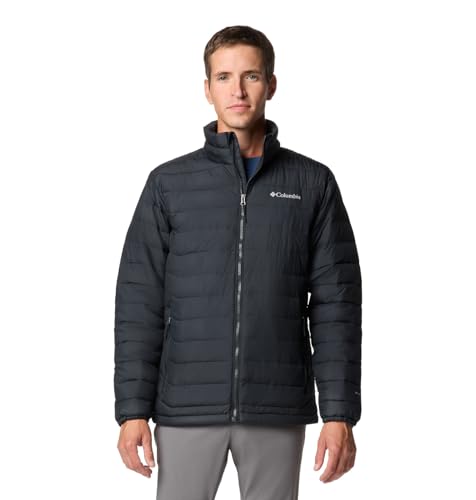
- Best established-brand insulated option to investigate: Columbia Mens Powder Lite II Insulated Puffer Jacket, Black, Medium — a men’s insulated puffer from Columbia, with the listing identifying the Powder Lite II model in black and medium.
- Best women’s packable option with water resistance identified in the title: Amazon Essentials Women’s Lightweight Long-Sleeve Water-Resistant Packable Puffer Jacket (Available in Plus Size), Black, Large — consider it when water resistance, packability, and extended sizing are priorities.
- Best long-coat profile for shoppers seeking more coverage: Pufflady Women’s Long Winter Puffer Coat Thicken Fleece Lined Down Jacket — its listing emphasizes a long winter coat, thicker construction, fleece lining, and down insulation.
Choosing the best down jacket in 2026 starts with identifying how you will use it. A lightweight packable puffer can be convenient for commuting, travel, errands, and dry-weather layering, while a longer winter coat may provide more coverage when warmth matters more than compact storage. A jacket marketed as water-resistant can make more sense for occasional drizzle than a minimal puffer, and an insulated jacket that is not specifically described as down may be the better choice for shoppers who prefer a broader range of insulation options.
This roundup includes six jackets with different intended-use profiles, including hooded packable puffers, a water-resistant packable jacket, a Columbia insulated puffer, and a long winter coat. The available product information does not provide fill power, fill weight, shell denier, temperature ratings, or verified owner-review patterns, so those specifications should not be assumed. Instead, the guide focuses on what can be established from the product names and listings, plus the questions shoppers should answer before ordering. The most important decision is not simply which jacket appears warmest; it is whether the jacket’s length, hood, packability, weather protection, insulation type, and fit match your routine.
Our top picks




As an Amazon Associate we earn from qualifying purchases at no extra cost to you.
Quick Answer: The Best Down Jackets in 2026
- Best overall starting point for a women’s packable hooded puffer: Outdoor Ventures Women’s Packable Lightweight Puffer Jacket with Hood — a lightweight, hooded, packable design worth considering for everyday cold-weather layering.
- Best alternative listing for the same named women’s puffer: Outdoor Ventures Women’s Packable Lightweight Puffer Jacket with Hood — compare the available color, size, seller, and listing details before choosing between the two entries.
- Best men’s budget-oriented packable option: TBMPOY Men’s Packable Puffer Jacket Lightweight Winter Coat Down Hooded Warm Insulated Puffy Jackets Army Green,L — its listing identifies a men’s hooded, lightweight, packable, down-insulated puffer in a specific color and size.
- Best established-brand insulated option to investigate: Columbia Mens Powder Lite II Insulated Puffer Jacket, Black, Medium — a men’s insulated puffer from Columbia, with the listing identifying the Powder Lite II model in black and medium.
- Best women’s packable option with water resistance identified in the title: Amazon Essentials Women’s Lightweight Long-Sleeve Water-Resistant Packable Puffer Jacket (Available in Plus Size), Black, Large — consider it when water resistance, packability, and extended sizing are priorities.
- Best long-coat profile for shoppers seeking more coverage: Pufflady Women’s Long Winter Puffer Coat Thicken Fleece Lined Down Jacket — its listing emphasizes a long winter coat, thicker construction, fleece lining, and down insulation.
How We Researched This Guide
This guide is based on the product information shown on each listing and on general buying criteria that apply to insulated jackets: insulation type, garment length, hood design, packability, weather protection, fit, and care requirements. The listings do not include complete technical specifications, independent test results, laboratory measurements, manufacturer fill-power figures, fill weights, shell-fabric details, or verified owner-review summaries. Accordingly, this guide does not assign warmth ratings or claim that one jacket has been tested in a particular temperature, precipitation level, or activity.
Where a product title identifies a feature, such as “water-resistant,” “packable,” “long,” “fleece lined,” “down,” or “insulated,” that feature is treated as a reason to investigate the jacket further rather than as proof of a specific performance level. A product title cannot establish waterproofing, the amount or quality of down, the durability of the shell, or how accurately the garment fits. Before ordering, check the current listing for the insulation composition, care instructions, size chart, pocket construction, hood adjustment, and return terms.
The ranking is therefore best understood as a shopping shortlist rather than a claim that every jacket will perform identically for every person. The right pick depends on whether you need a compact layer, a daily winter coat, a water-resistant shell, a men’s or women’s cut, or a longer fleece-lined design.
1. Decide What Kind of Jacket You Actually Need
“Down jacket” is often used broadly for quilted insulated outerwear, but the products in this guide do not all provide the same insulation information. The TBMPOY and Pufflady titles explicitly mention down, while the Columbia listing identifies an insulated puffer without specifying down in the listing. The Amazon Essentials listing identifies a water-resistant packable puffer, but the available information does not state its insulation type. The two Outdoor Ventures listings identify lightweight packable puffers with hoods, without specifying the fill.
Start by separating three use cases:
- Packable layer: Choose this profile for travel, commuting, backup warmth, or layering. Confirm how the jacket packs and whether a stuff pocket or storage bag is included.
- Everyday winter jacket: Prioritize fit, pocket access, hood coverage, cuff design, zipper quality, and resistance to wind and light precipitation.
- Maximum coverage coat: A long or fleece-lined design may suit people who want more coverage around the torso and upper legs, but it may be bulkier and less convenient for active use.
Avoid selecting a jacket solely because the title includes “warm,” “winter,” or “thicken.” Those words do not provide a standardized temperature rating. Look for the actual insulation composition and construction details, then compare them with your expected conditions.
2. Compare Down, Synthetic, and Unspecified Insulation
Down is valued for its warmth relative to weight and its ability to compress, but down performance depends on more than the word “down.” Useful specifications include fill power, fill weight, the percentage of down versus feather, and whether the insulation is treated for moisture resistance. None of those details are included in the available information, so they should be verified on the individual listing.
Synthetic insulation can be practical in damp environments because some synthetic fills continue to provide insulation when exposed to moisture. However, synthetic jackets can vary widely in weight, loft, and compressibility. The Columbia product is described as an insulated puffer, but the listing does not identify the insulation type. Check the manufacturer’s description rather than assuming it is either down or synthetic.
If a listing does not clearly state the fill, treat “puffer” as a construction description, not an insulation specification. Also check whether the jacket has sewn-through quilting or box-style construction. Sewn-through quilting can reduce bulk and cost, while more complex construction may reduce cold spots but can add weight and expense. Without the relevant specifications, the safest comparison is to focus on the jacket’s stated use, fit, coverage, and confirmed features.
3. Evaluate Warmth Without Trusting Vague Claims
There is no universal warmth standard for casual insulated jackets. Warmth depends on insulation type, fill amount, loft, baffle design, shell wind resistance, length, hood coverage, and how the jacket fits over your layers. A lightweight jacket may work well as a midlayer but feel inadequate as a standalone coat in windy conditions. A long fleece-lined coat may feel more protective but may not be as easy to pack.
For a more useful comparison, look for these details in the listing:
- Fill power and fill weight: These help distinguish the quality of down from the quantity of insulation used.
- Insulation composition: Confirm whether the jacket uses down, synthetic fill, or a blend.
- Quilting pattern: Evenly distributed baffles can help maintain consistent insulation across the garment.
- Coverage: Longer hems, a hood, and adjustable cuffs can reduce exposed areas.
- Wind protection: A tightly woven shell, full zipper coverage, and secure cuffs can matter as much as loft in exposed conditions.
Do not infer a precise comfort temperature from a product title. Instead, decide whether the jacket will be worn over a base layer, sweater, or fleece, and leave enough room for that combination. A jacket that is too tight can compress insulation and restrict movement.
4. Understand Water Resistance Versus Waterproofing
Only one product title in this group explicitly identifies water resistance: the Amazon Essentials Women’s Lightweight Long-Sleeve Water-Resistant Packable Puffer Jacket. That makes it a logical option to investigate for light rain, brief drizzle, or damp commutes. It does not establish that the jacket is waterproof, seam-sealed, suitable for sustained rain, or designed for wet snow.
Down and moisture require particular attention. When down becomes wet, it can lose loft and take longer to dry. A water-resistant shell may delay wetting, but it is not a substitute for a waterproof rain jacket. If you expect prolonged precipitation, check whether the product has a waterproof rating, sealed seams, a storm flap, or a hood designed for rain. If those details are absent, plan to layer the insulated jacket beneath a waterproof shell.
For all six products, inspect the shell description for a durable water-repellent finish, fabric composition, and care instructions. Avoid applying an aftermarket treatment unless the manufacturer permits it. Some treatments can affect fabric coatings, breathability, or insulation.
5. Check What “Packable” Really Means
Several products are identified as packable, including both Outdoor Ventures listings, the TBMPOY jacket, and the Amazon Essentials jacket. Packability is useful for travel and variable weather, but the word alone does not tell you the packed dimensions, packed weight, or whether the jacket fits into its own pocket.
Before buying, look for:
- The jacket’s listed weight, if available.
- Whether it stores in a dedicated pocket or separate pouch.
- Whether the packed shape is suitable for your backpack, carry-on, or commuter bag.
- How much loft the jacket regains after unpacking.
- Whether long or fleece-lined construction limits compact storage.
Compact storage can also create care issues. Do not assume a jacket should remain compressed for long-term storage. Check the care label and manufacturer instructions, and store down or lofted insulation uncompressed when practical. A packable jacket that is convenient on a trip may still need to be aired out and stored properly between uses.
6. Treat Fit and Sizing as Performance Features
A correct fit allows insulation to loft while leaving enough room for the layers you intend to wear. A jacket that is too small may compress the insulation across the chest, shoulders, and arms. A jacket that is too large can allow cold air to enter around the hem, cuffs, collar, or hood and may feel cumbersome during activity.
Use the garment’s size chart rather than relying only on your usual letter size. The listings identify specific configurations—Army Green, Large for the TBMPOY jacket; Black, Medium for the Columbia jacket; and Black, Large for the Amazon Essentials jacket—but those selected configurations should not be treated as recommendations for every shopper.
Compare your measurements with the listing’s chart, paying attention to bust or chest, waist, hips, sleeve length, and total length. For a women’s long coat, hip measurements and hem placement can be especially important. For a men’s puffer, shoulder width and sleeve length may affect layering and movement. Also read owner reviews for recurring comments about sizing, but distinguish a consistent pattern from isolated feedback.
7. Inspect Hoods, Pockets, Cuffs, and Zippers
A hood can add useful coverage, but hood design varies. Check whether it is adjustable, removable, insulated, helmet-compatible, or simply fixed to the collar. A hood that cannot be adjusted may allow wind to enter, while a hood with too much volume can obstruct visibility. The Outdoor Ventures and TBMPOY product titles specifically identify hooded designs; the listings do not confirm the adjustment system or construction.
Pockets should match your routine. Look for hand-warmer pockets, secure zippered storage, interior pockets, and pocket placement that remains accessible while carrying a backpack or wearing gloves. A packable jacket may use lighter pocket construction, so check owner feedback for reports of snagging or seam problems.
Also inspect the main zipper, zipper garage, elastic cuffs, adjustable hem, and collar height. These details are easy to overlook, but they affect heat retention and daily usability. If a listing does not show clear photos or specifications, do not assume a feature is included.
8. Match Jacket Length to Activity and Coverage Needs
Shorter lightweight puffers are generally easier to move in and layer under another shell. They can suit travel, driving, walking, and active use when freedom of movement matters. Their trade-off is less coverage around the hips and upper legs.
A long winter coat offers a different balance. The Pufflady listing identifies a long winter puffer coat with a thicker construction and fleece lining, which makes it the most coverage-focused profile in this selection. More material may improve coverage and comfort for static cold-weather use, but it can also add bulk, limit leg movement, and make compact storage less practical. Confirm the actual hem length, closure design, side openings, and weight before choosing it for travel or active outdoor use.
For commuting, consider whether the coat works while sitting, climbing stairs, or entering a vehicle. For hiking or snow activities, check whether the hem and sleeves restrict movement. For standing outdoors, a longer cut may be more appealing than a highly packable short puffer.
Common Buying Mistakes to Avoid
- Assuming every puffer is down: Confirm the insulation composition in the listing.
- Confusing water-resistant with waterproof: A water-resistant shell may not withstand sustained rain or wet snow.
- Buying by color and size alone: Check the full measurement chart and intended layering system.
- Expecting a lightweight jacket to replace a winter system: In severe weather, a base layer, insulating layer, and waterproof shell may work better together.
- Ignoring storage instructions: Long-term compression can be unsuitable for lofted insulation.
- Overlooking the difference between listings: The two Outdoor Ventures entries have the same product name but different URLs. Compare the seller, available sizes, color options, feature list, and return information before ordering.
- Using marketing language as a temperature rating: Terms such as “warm,” “winter,” and “thicken” are not standardized performance measurements.
For a compact hooded layer, begin with the Outdoor Ventures listings or the TBMPOY option and verify the fill and packed dimensions. For water resistance and extended sizing, examine the Amazon Essentials listing closely. For a branded insulated puffer, investigate the Columbia Powder Lite II specifications. For maximum length and fleece-lined coverage, review the Pufflady coat’s measurements and care requirements. The best choice is the one whose confirmed construction and fit support your actual weather, activity, and layering needs.
Detailed product breakdowns
Outdoor Ventures Women’s Packable Lightweight Puffer Jacket with Hood
This Outdoor Ventures jacket is presented as a women’s lightweight, packable puffer with a hood. Based on the available product title, its intended role is a portable insulating layer for commuting, travel, everyday errands, and other situations where a jacket needs to be stored when not in use. The listing does not provide enough verified information to determine whether the insulation is natural down, synthetic fill, or a blend, so buyers should not assume that “puffer” means the jacket contains down.
The listings also do not identify the shell fabric, insulation weight, fill power, total garment weight, pocket configuration, packed dimensions, hood adjustability, or water-resistance rating. Those details are important because “lightweight” and “packable” describe the design goal but do not establish how warm the jacket is or how small it becomes in a bag. Before purchasing, check the current listing for the insulation type, care instructions, size chart, and whether the jacket packs into a dedicated pocket or requires a separate storage bag.
Key specifications from the available data:
- Women’s puffer jacket.
- Lightweight design.
- Packable construction.
- Integrated hood.
- Brand listed as Outdoor Ventures.
- Insulation composition, shell material, water resistance, weight, and packed size are not provided.
Strengths:
- The hood adds coverage that a collar-only puffer cannot provide, which may be useful in cold wind or during brief outdoor stops.
- The packable format is potentially convenient for travel, work bags, car storage, and variable-weather layering.
- A lightweight design is generally easier to wear as part of a layered system than a bulky winter coat, although the actual layering room should be confirmed from the size chart.
Trade-offs:
- The missing insulation details make it impossible to compare this jacket fairly with products that publish fill weight or fill power.
- Packability can involve thinner materials or less insulation, so buyers should verify whether the jacket is intended for mild, moderate, or severe cold.
- The available data does not establish whether the shell resists rain, sleet, or snow. A puffer should not be treated as a waterproof shell unless the listing specifically states a waterproof construction or rating.
- Hood design varies considerably. Confirm whether the hood is adjustable, removable, insulated, or sized to fit over other headwear.
Best for: Buyers looking for a women’s hooded puffer with a portable design and who are comfortable checking the finer specifications before deciding whether its warmth matches their climate. It may be a sensible option for commuting, travel, and general cold-weather use when compact storage matters.
Who should skip it: Shoppers who need a verified temperature range, published down quality, a waterproof outer layer, or a jacket for prolonged exposure in severe winter conditions should consider products with more complete technical specifications.
Check the Outdoor Ventures Women’s Packable Lightweight Puffer Jacket with Hood listing
Outdoor Ventures Women’s Packable Lightweight Puffer Jacket with Hood: second listing
This is a second listing with the same displayed product name as the first Outdoor Ventures entry. The listing does not identify a different insulation package, shell fabric, color, size range, or construction detail, so it should not automatically be treated as an upgraded version. It may represent a separate listing, variation, or inventory entry, but buyers should verify that directly on the product page before choosing between the two.
Like the first entry, this jacket is described as women’s, lightweight, packable, and hooded. Those characteristics point toward a convenient everyday layer rather than a technically documented expedition garment. However, the available data does not say how much insulation is used, what type it is, how the jacket handles moisture, or how it compresses. The title alone cannot establish whether it provides more or less warmth than another puffer.
Key specifications from the available data:
- Women’s puffer jacket.
- Lightweight and packable design.
- Hood included.
- Brand listed as Outdoor Ventures.
- No verified distinction from the other Outdoor Ventures listing is stated.
- Insulation type, shell fabric, garment weight, packed dimensions, and weather rating are not provided.
Strengths:
- The product title clearly communicates the main convenience features: a hood, lightweight construction, and packability.
- A second listing can be useful if it offers a preferred size, color, or current availability, but those differences must be confirmed rather than assumed.
- The design category is versatile for everyday use because a compact puffer can be carried until temperatures drop.
Trade-offs:
- There is no evidence that this listing has different performance from the first Outdoor Ventures entry.
- Without fill information, buyers cannot calculate insulation quality or compare warmth-to-weight performance.
- The listing data does not confirm a water-repellent treatment, waterproof membrane, windproof construction, or protection against wet snow.
- The word “packable” does not tell buyers the final packed volume. Check whether a stuff sack or integrated pocket is included and look for owner comments about compression and zipper durability.
Best for: Shoppers who specifically want this Outdoor Ventures product format and find a suitable size or variation in this listing. It is also worth considering when the two listings differ in an important way that is visible on the current product page, such as available sizing or color selection.
Who should skip it: Buyers seeking a demonstrably warmer alternative, technical rain protection, or a jacket with a complete set of published specifications should not choose this listing solely because it appears separately in a roundup.
Before ordering, compare this page with the first Outdoor Ventures listing for the exact size chart, color or variation, insulation description, care requirements, included storage method, and recent owner feedback. Those checks are especially important because the listings do not establish a performance difference.
Check the second Outdoor Ventures Women’s Packable Lightweight Puffer Jacket with Hood listing
TBMPOY Men’s Packable Puffer Jacket Lightweight Winter Coat Down Hooded Warm Insulated Puffy Jackets, Army Green, L
The TBMPOY entry is listed as a men’s packable puffer jacket and lightweight winter coat. Its title also identifies a down hooded, warm, insulated design and specifies the Army Green color in size Large. Of the available product titles in this roundup, this one provides the clearest indication that down is part of the insulation description. Even so, the listing does not state the down type, fill power, fill weight, responsible-sourcing information, or the jacket’s total weight.
The title combines several priorities that can conflict: a winter coat, lightweight construction, packability, warmth, and a hood. A compact down-style jacket can be useful as a midlayer or standalone coat, but its actual cold-weather capability depends on insulation quantity, baffle design, fit, shell fabric, and the wearer’s activity level. Buyers should verify these details rather than using the word “warm” as a substitute for a temperature rating.
Key specifications from the available data:
- Men’s puffer jacket and lightweight winter coat.
- Packable design.
- Down hooded and insulated construction as stated in the product title.
- Color listed as Army Green.
- Size listed as Large.
- Down type, fill power, fill weight, shell material, packed dimensions, and weather resistance are not provided.
Strengths:
- The title directly identifies down as part of the product description, which makes it easier to distinguish from jackets advertised only as synthetic insulated puffers.
- A hood can extend the jacket’s usefulness in cold wind and reduce the need to carry a separate warm hat.
- Packability is valuable for travel, commuting, and layering kits where the jacket may need to be stowed during warmer parts of the day.
- The listed size and color reduce ambiguity for buyers who are specifically looking at a men’s Large in Army Green.
Trade-offs:
- “Down” alone does not reveal warmth. Fill power describes loft efficiency, while fill weight indicates how much insulation is present; both should be checked if they are important to your decision.
- The available data does not confirm whether the down is treated for moisture resistance or whether the shell has a durable water-repellent finish.
- Down insulation generally requires more care around prolonged moisture than a jacket specifically designed to retain insulation performance when wet. Confirm the care instructions and intended weather conditions.
- The title does not indicate whether the fit is trim, regular, or roomy. Check chest, sleeve, and hem measurements before planning to wear thick layers underneath.
Best for: Men seeking a hooded, portable puffer whose product title explicitly identifies down insulation, especially for dry winter weather, travel, or use as part of a flexible layering system. It may suit buyers who prioritize compact storage over a heavy-duty parka format.
Who should skip it: Shoppers who regularly encounter sustained rain, wet snow, or high-output activity should first verify shell protection and moisture performance. Buyers who need a precisely documented technical jacket should also look for published fill and fabric specifications before committing.
Because the listing information is limited, verify whether the selected page is still configured for Army Green and size Large, and confirm return eligibility, measurements, insulation details, hood construction, pocket layout, and owner feedback about zipper operation and long-term loft.
Check the TBMPOY Men’s Packable Puffer Jacket listing
Columbia Mens Powder Lite II Insulated Puffer Jacket, Black, Medium
The Columbia Powder Lite II is listed as a men’s insulated puffer jacket in Black and size Medium. Unlike a product title that specifically identifies down, this title says “insulated” without identifying the insulation composition. Buyers should therefore check the current listing and manufacturer information to determine whether the insulation is synthetic, down, or another material. The jacket name alone is not enough to establish wet-weather performance, warmth, or packability.
This option is best evaluated as a general insulated puffer rather than automatically categorized as a down jacket. The available listing information confirms the brand, model name, garment category, color, and size but does not supply the information needed for a technical comparison. There is no provided shell-fabric description, insulation weight, total garment weight, waterproof or water-resistant rating, hood information, pocket layout, or packed size.
Key specifications from the available data:
- Men’s insulated puffer jacket.
- Model name listed as Powder Lite II.
- Brand listed as Columbia.
- Color listed as Black.
- Size listed as Medium.
- Insulation composition, shell material, hood design, weather resistance, weight, and packability are not provided.
Strengths:
- The established brand and named model make it easier to search for manufacturer documentation, sizing guidance, and replacement or care information.
- A puffer format can work as a standalone layer in moderate cold or beneath a shell when additional weather protection is needed, depending on the fit and bulk.
- The black color is broadly adaptable for commuting and everyday wear.
- The specified Medium size gives buyers a clear starting point, though the actual measurements should still be compared with a garment that fits well.
Trade-offs:
- The listing does not establish that this is a down jacket. Buyers specifically seeking down should confirm the insulation content before ordering.
- No packed dimensions or storage method are stated, so it should not be assumed to compress like an ultralight travel puffer.
- The title does not confirm a hood. If head coverage is important, check the product photos and specification section carefully.
- “Insulated” does not provide a warmth rating. Consider intended temperatures, activity level, base layers, and wind exposure rather than relying on the category label alone.
Best for: Men who want a branded insulated puffer for everyday winter wear and who value a recognizable model name when researching fit and care. It may also suit buyers who prefer a general-purpose jacket instead of selecting a product solely by down fill specifications.
Who should skip it: Buyers who need a verified down jacket, an ultracompact emergency layer, or a waterproof outer shell should not infer those properties from the product name. Look for explicit confirmation of insulation type, packed size, and weather protection.
Before purchase, verify the current Medium measurements, sleeve length, hem fit, collar or hood configuration, insulation material, shell treatment, and whether the jacket is intended to be worn over a base layer or under a larger shell. Owner feedback can also help identify whether sizing runs close to the stated measurements.
Check the Columbia Mens Powder Lite II Insulated Puffer Jacket listing
Amazon Essentials Women’s Lightweight Long-Sleeve Water-Resistant Packable Puffer Jacket, Black, Large
This Amazon Essentials jacket is described as a women’s lightweight, long-sleeve, water-resistant, packable puffer jacket. The title also identifies the Black color and Large size and notes availability in plus sizes. Among these product titles, it provides the clearest description of a shell intended to offer at least some resistance to water, although it does not establish waterproof performance or a specific water-resistance rating.
The long-sleeve design and packable construction suggest a general-purpose layer for changing conditions, commuting, travel, and everyday wear. However, the title does not identify the insulation type. It should not be called a down jacket without confirmation from the listing’s materials section. Lightweight construction can improve portability, but it may also mean less insulation than a long, heavily filled winter coat.
Key specifications from the available data:
- Women’s puffer jacket.
- Lightweight construction.
- Long sleeves.
- Water-resistant design as stated in the product title.
- Packable format.
- Black color and Large size listed.
- Plus-size availability is noted in the product title.
- Insulation type, shell composition, water-resistance rating, packed dimensions, and hood details are not provided.
Strengths:
- The stated water-resistant finish may provide more protection against brief light precipitation than a jacket with no weather-resistance claim.
- Packability makes the jacket practical for travel, work bags, and keeping an extra layer available in a vehicle or entryway.
- The lightweight design is likely to be easier to wear during transitional weather than a long, heavily insulated coat.
- The listing identifies both a standard Large and plus-size availability, giving shoppers more sizing options to investigate.
Trade-offs:
- Water-resistant is not the same as waterproof. Buyers should check whether the finish is durable, whether seams are sealed, and how the jacket is expected to perform in sustained rain.
- The insulation material is not stated, so buyers cannot determine whether it is down, synthetic, or another fill from the title alone.
- Long sleeves do not necessarily mean a long body. Check the back length if hip or seat coverage matters.
- Packability does not indicate the compressed size or whether a storage pouch is included.
Best for: Women seeking a lightweight, packable everyday puffer with a stated degree of water resistance. It is particularly worth considering for commuting, travel, and climates where brief drizzle is more common than prolonged wet weather.
Who should skip it: Shoppers who need a fully waterproof coat, substantial deep-winter insulation, or verified down fill should look for explicit specifications addressing those requirements. It may also be a poor fit for anyone who needs a long parka-length silhouette unless the listed body measurements confirm adequate coverage.
Verify the current size chart for the Large and any available plus-size options, along with body length, sleeve length, insulation content, care instructions, and the limits of the water-resistant finish. Check whether frequent washing can reduce the finish and whether the jacket can be layered comfortably over a sweater.
Check the Amazon Essentials Women’s Lightweight Packable Puffer Jacket listing
Pufflady Women’s Long Winter Puffer Coat Thicken Fleece Lined Down Jacket
The Pufflady listing is described as a women’s long winter puffer coat with a thickened, fleece-lined, down-jacket design. Its title positions it differently from the shorter lightweight puffers in this roundup: the emphasis is on additional coverage and a warmer cold-weather format rather than minimal packed size. The available data does not provide the coat’s exact length, insulation amount, down specification, shell material, hood configuration, or weather rating.
The word “long” can be meaningful in winter clothing because extra body coverage may reduce exposed areas around the hips and upper legs. A fleece lining may also add a softer interior and an additional layer between the wearer and cold air. Neither feature, however, establishes a particular temperature range. The title’s use of “down jacket” suggests down insulation, but buyers should confirm the materials label and determine whether the garment uses down throughout or combines down with another fill.
Key specifications from the available data:
- Women’s long winter puffer coat.
- Thickened construction as stated in the title.
- Fleece lining.
- Down jacket design as stated in the title.
- Brand listed as Pufflady.
- Exact coat length, insulation type and quantity, shell fabric, hood details, weight, packability, and weather resistance are not provided.
Strengths:
- The long-coat format may offer more coverage than a standard waist-length or hip-length puffer.
- A fleece lining can add interior warmth and may be appealing to buyers who prioritize a warmer-feeling fabric against their clothing.
- The thickened winter design is oriented toward cold-weather comfort rather than the lowest possible packed weight.
- The title identifies the product as a women’s coat, which helps narrow the intended fit category before reviewing the detailed measurements.
Trade-offs:
- A longer, thicker coat will generally be less convenient to pack than a lightweight short puffer, but the listing does not state its actual weight or compressed dimensions.
- The listing does not specify down fill power, fill weight, down-to-feather ratio, or whether the insulation is treated for moisture resistance.
- Fleece lining can improve comfort but may make layering more difficult if the cut is close-fitting. Check the garment measurements against the layers you expect to wear.
- No water-resistance or waterproof information is provided. Down insulation and a fleece lining should not be treated as substitutes for a weatherproof shell.
Best for: Women who prioritize coverage and a warmer, more substantial winter-coat format over ultralight packability. It may suit stationary outdoor activities, cold commutes, errands, and daily wear where a longer silhouette is useful.
Who should skip it: Travelers seeking a jacket that compresses into a small bag, hikers who need a low-weight insulating layer, or shoppers who require verified technical down specifications should look for a more fully documented alternative. Those regularly exposed to wet snow or rain should also confirm shell protection before relying on it as an outer layer.
Before ordering, check the actual body length, sleeve length, hood and closure design, pocket placement, insulation composition, and cleaning instructions. Confirm whether the listed size leaves enough room for a sweater and whether the fleece lining extends through the sleeves, body, and hood. Owner feedback can be especially useful for assessing warmth, zipper reliability, shedding or clumping of fill, and whether the coat fits as expected.
Check the Pufflady Women’s Long Winter Puffer Coat listing
Down Jacket Comparison
The available product information distinguishes these jackets mainly by intended format, garment length, insulation wording, hood design, and stated water resistance. Important performance details—including fill type, fill power, fill weight, shell material, packed dimensions, temperature guidance, and care instructions—are not available in the listings. Check each listing before buying, especially if you need a jacket for wet weather, technical layering, or extended time outdoors.
| Product | Best suited to | Design details stated in the listing | What to verify |
|---|---|---|---|
| Outdoor Ventures Women’s Packable Lightweight Puffer Jacket with Hood | Women seeking a lightweight, packable hooded puffer | Women’s fit; packable; lightweight; puffer construction; hood | Insulation type, water resistance, packed size, size chart, and pocket or storage method |
| Outdoor Ventures Women’s Packable Lightweight Puffer Jacket with Hood | Women wanting the same named style in another listing or available option | Women’s fit; packable; lightweight; puffer construction; hood | Whether color, sizing, materials, and construction differ from the other Outdoor Ventures listing |
| TBMPOY Men’s Packable Puffer Jacket Lightweight Winter Coat Down Hooded Warm Insulated Puffy Jackets Army Green,L | Men seeking a hooded, packable insulated winter jacket | Men’s jacket; packable; lightweight; winter coat; down hooded; warm insulated; Army Green; size L | Down content, fill power, shell treatment, fit measurements, packed dimensions, and available sizes or colors |
| Columbia Mens Powder Lite II Insulated Puffer Jacket, Black, Medium | Men seeking an insulated puffer from an established outdoor-apparel brand | Men’s jacket; Powder Lite II model; insulated puffer; Black; size Medium | Insulation material, hood availability, water resistance, warmth level, weight, and layering fit |
| Amazon Essentials Women’s Lightweight Long-Sleeve Water-Resistant Packable Puffer Jacket | Women wanting a lightweight, water-resistant, packable jacket | Women’s jacket; lightweight; long-sleeve; water-resistant; packable; Black; size Large; plus sizes stated as available | Insulation type, degree of water resistance, length, storage method, size chart, and care instructions |
| Pufflady Women’s Long Winter Puffer Coat Thicken Fleece Lined Down Jacket | Women seeking a longer winter coat with a thicker, fleece-lined design | Women’s coat; long; winter; thickened; fleece-lined; down jacket | Down percentage, fleece-lined areas, hood and closure details, coat length, water resistance, and size measurements |
Best Pick by Need
Best for a lightweight hooded puffer
The Outdoor Ventures Women’s Packable Lightweight Puffer Jacket with Hood is the most directly aligned with this need because the product name specifically identifies a lightweight, packable, hooded puffer. The two listings have the same product title, so compare their available colors, sizes, seller information, materials, and return terms rather than assuming they represent different constructions. Confirm whether the jacket uses down, synthetic insulation, or a blend before treating it as a true down option.
Best for a men’s packable winter jacket
The TBMPOY Men’s Packable Puffer Jacket is the clearest match for a man who wants a hooded, packable winter coat. Its listing title identifies the Army Green color and size Large, which makes those details especially important when checking fit. Buyers should review the garment measurements instead of relying only on the letter size. Also verify the insulation composition and whether the shell is intended to handle precipitation, since “warm insulated” and “down hooded” do not by themselves establish a weatherproof rating.
Best for a named insulated puffer model
The Columbia Men’s Powder Lite II Insulated Puffer Jacket may suit buyers who already know they want this specific model and prefer to compare its published construction with other options. The listing confirms the model name, men’s sizing, Black color, Medium size, and insulated-puffer format. It does not establish whether the jacket has a hood, what type of insulation it uses, or how it performs in wet conditions. Use the listing’s specifications and size chart to determine whether it fits your layering plan.
Best for water-resistant packable coverage
The Amazon Essentials Women’s Lightweight Long-Sleeve Water-Resistant Packable Puffer Jacket is the strongest match when water resistance is a stated priority. “Water-resistant” should not be read as waterproof: it generally does not tell you how long the fabric resists rain, whether seams are sealed, or whether the finish remains effective after washing. Check the product description for the exact treatment, care restrictions, and intended weather conditions. The listing also states that plus sizes are available, which may make it worth comparing across the available size range.
Best for a longer winter coat
The Pufflady Women’s Long Winter Puffer Coat is the obvious choice for shoppers prioritizing coverage over the compact format of a short puffer. Its title also identifies a thickened, fleece-lined design, so it may appeal to buyers who want a more substantial cold-weather coat. However, the listing does not state the actual coat length, insulation amount, hood design, cuff construction, or weather protection. Confirm those details before choosing it for severe cold or wet snow.
Best for comparing two similar listings
If you are deciding between the two Outdoor Ventures listings, treat them as potentially similar but not automatically identical. The product titles match, yet the listings do not confirm whether they differ by color, production version, sizing, seller, or materials. Open both pages and compare the size chart, color selection, fabric and fill information, customer photos, return policy, and care instructions. Choose based on the specific variation you intend to receive, not on the listing position alone.
Care and Setup Tips
- Check the care label before washing. The listings do not provide wash or drying instructions. Follow the sewn-in label and the listing’s care section rather than assuming that a puffer can be treated like ordinary outerwear.
- Confirm the insulation before selecting detergent. Down, synthetic insulation, and fleece-lined garments may have different cleaning requirements. Do not use a down-specific cleaning method unless the garment’s materials confirm that it contains down.
- Do not store a puffer compressed for long periods. A jacket described as packable may be suitable for travel storage, but the listing does not state how long it can remain compressed. For long-term storage, check the manufacturer’s guidance and use a loose, dry storage method if recommended.
- Dry the jacket completely. Damp insulation can develop odor and lose loft. The appropriate drying method is unknown for these products, so use the care label and avoid high heat unless it specifically permits it.
- Check fit with your intended layers. Try the jacket over the base layer, sweater, or fleece you normally wear. Tightness can compress insulation, while excessive room can make layering awkward. Use garment measurements where available rather than comparing brand labels alone.
- Inspect the hood and cuffs before outdoor use. A hood can add useful coverage, but the listing does not confirm adjustability, brim design, or compatibility with helmets. Check these details if you expect wind, snow, cycling, or winter sports use.
- Keep water-resistant claims in perspective. The Amazon Essentials listing explicitly says water-resistant, while the other listings do not establish a water rating. Water resistance is not proof of waterproof construction, sealed seams, or suitability for prolonged rain.
- Verify the packed format. “Packable” appears in several product names, but the listings do not state whether each jacket packs into a pocket, pouch, or separate bag. Check the listing before planning storage in a specific backpack compartment.
Frequently Asked Questions
Are all six jackets actually filled with down?
No conclusion can be made from the listings alone. The TBMPOY and Pufflady titles use “down,” while the other titles use broader terms such as puffer or insulated. The Columbia listing identifies an insulated puffer without naming the insulation. Check each listing’s materials section for down percentage, down-and-feather content, synthetic fill, or another insulation type.
Which jacket is warmest?
The available information does not provide comparable warmth ratings, fill weights, fill powers, or temperature guidance, so a definitive ranking is not possible. The Pufflady title emphasizes a long, thickened, fleece-lined winter coat, while the other products emphasize lightweight or packable formats. Those descriptions suggest different design priorities, but they are not a substitute for published insulation specifications.
Which option is best for rain?
The Amazon Essentials jacket is the only product whose product title explicitly says “water-resistant.” That does not make it waterproof. For the remaining jackets, water performance is unknown from the listings. Check for a waterproof rating, durable water-repellent treatment, sealed seams, and care limitations if regular rain exposure is expected.
What does “packable” mean for these jackets?
It means the product is marketed as compressible or convenient to store, but the listing does not explain the storage method or packed dimensions. A packable jacket may fit into its own pocket, a separate pouch, or simply compress more easily than a bulky coat. Verify the exact packed size before buying for travel or a particular backpack.
Should I choose a lightweight puffer or a long winter coat?
Choose a lightweight puffer when portability, easy layering, or reduced bulk matters most. Choose the Pufflady long coat when greater coverage and a thicker, fleece-lined format better match your use. The right choice also depends on your base layers, activity level, wind exposure, and whether you need rain protection. Compare actual garment measurements and insulation details before deciding.
How do I select the correct size?
Start with the listing’s size chart and compare its garment or body measurements with your own. Pay attention to chest, waist, hip, sleeve, and coat-length measurements when provided. Consider the layers you will wear underneath. The listings identify TBMPOY as Army Green, size Large, Columbia as Black, size Medium, and two women’s listings as Black or unspecified in the title, but these labels are not enough to establish fit.
Are the two Outdoor Ventures listings different jackets?
The product titles are identical, so the available information does not establish a meaningful construction difference. They may represent different colors, variations, sellers, or listing versions, but that should be verified directly. Compare the images, variation menus, materials, size charts, seller details, and customer-service or return information before ordering.
Can I wear one of these as my only outer layer?
That depends on the insulation, shell fabric, fit, and weather conditions, none of which are fully documented here. A puffer can work as an outer layer in dry conditions, but prolonged rain, wet snow, strong wind, or very low temperatures may require a separate shell or additional layers. Check whether the listing provides weather ratings and use-case guidance before relying on it alone.
Final Verdict
There is no single best jacket for every buyer in this group because the products target different priorities. The Outdoor Ventures listings focus on a lightweight, packable women’s hooded puffer. TBMPOY offers a men’s hooded, packable winter-jacket format. Columbia provides a named men’s insulated puffer model. Amazon Essentials adds an explicitly water-resistant, packable women’s option, while Pufflady emphasizes a longer, thicker, fleece-lined winter coat.
The most important buying step is to verify the specifications that are missing from the listings. Look for insulation type and amount, shell fabric, water protection, packed dimensions, hood and pocket details, garment measurements, and care instructions. Buyers who prioritize portability should start with the products labeled packable; buyers who prioritize coverage should examine the long Pufflady coat; and buyers facing damp conditions should give particular attention to the Amazon Essentials water-resistant claim while confirming its limitations.
Use the ranking as a starting point, but make the final choice based on your climate, layering habits, expected activity, and the exact variation shown on the listing. A jacket that fits your real conditions will be a better purchase than one selected solely because its title promises warmth, down, or packability.





