
The best bike helmets are the ones that combine the correct safety certification, a secure fit, adequate coverage, and useful ventilation for your riding style: the Giro Aries Spherical is a strong road choice, the POC Kortal Race MIPS suits aggressive trail riding, and the Specialized Align II is a sensible budget helmet for commuting and everyday use.
Our top picks
 Schwinn Thrasher Helmet for Adults
- Designed for fitness and recreational rides, this sporty…
- THE PERFECT, SECURE FIT: The adjustable dial retention…
- This mens and womens helmet features microshell construction…
 Schwinn Thrasher Helmet for Adults
- Designed for fitness and recreational rides, this sporty…
- THE PERFECT, SECURE FIT: The adjustable dial retention…
- This mens and womens helmet features microshell construction…
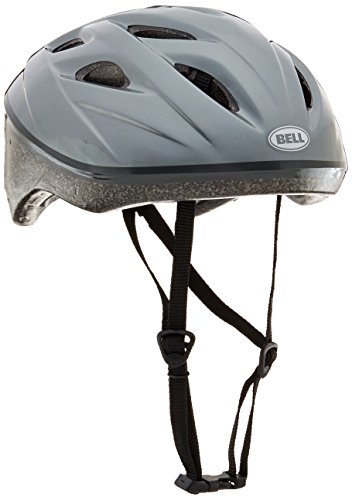 BELL Adult Reflex Helmet
- Eleven vents keep heads extra cool
- Side-squeeze buckle for easy adjustments
- Fits head sizes: 57-60 cm
| Product | Key specs | |
|---|---|---|
| Schwinn Thrasher Helmet for Adults | Designed for fitness and recreational rides, this sporty… THE PERFECT, SECURE FIT: The adjustable dial retention… This mens and womens helmet features microshell construction… | Check price |
| Schwinn Thrasher Helmet for Adults | Designed for fitness and recreational rides, this sporty… THE PERFECT, SECURE FIT: The adjustable dial retention… This mens and womens helmet features microshell construction… | Check price |
| BELL Adult Reflex Helmet | Eleven vents keep heads extra cool Side-squeeze buckle for easy adjustments Fits head sizes: 57-60 cm | Check price |
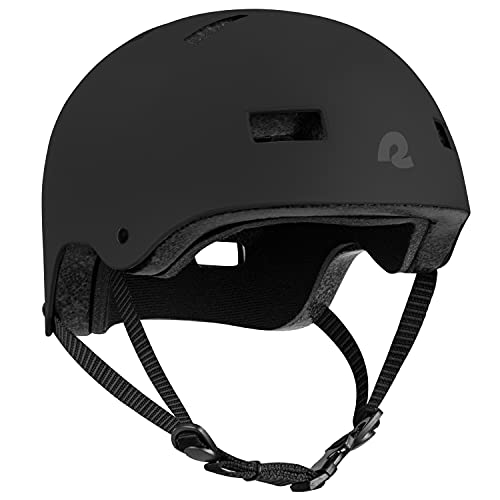 Retrospec Dakota Protective Bike Helmet | This versatile adult skate helmet works for BMX,… Durable ABS shell with shock-absorbing EPS foam keeps… Ten strategically placed vents create 360-degree ventilation to… | Check price |
As an Amazon Associate we earn from qualifying purchases at no extra cost to you.
Quick picks by riding situation
| Riding situation | Best match | Why it stands out | Typical price range |
|---|---|---|---|
| Fast road rides and hot weather | Giro Aries Spherical | Low weight, extensive ventilation, MIPS Spherical rotational-impact system | $250–$300 |
| Long road rides on a lower budget | Specialized Align II | Basic MIPS protection, adjustable fit, low replacement cost | $50–$70 |
| Technical mountain-bike trails | POC Kortal Race MIPS | Extended coverage, MIPS, goggle compatibility, trail-oriented shell design | $200–$250 |
| Trail riding with frequent climbing | Smith Payroll MIPS | More coverage than a road helmet without the bulk of a full-face model | $150–$180 |
| Commuting and casual riding | Giro Fixture MIPS II | Affordable coverage, simple adjustment system, practical ventilation | $60–$90 |
Prices are broad market ranges rather than fixed recommendations. Sales, regional certification requirements, and included accessories can change the final cost.
What to verify before comparing features
Start with the certification label, not the number of vents. In the United States, a bicycle helmet should carry the Consumer Product Safety Commission bicycle-helmet certification, commonly marked CPSC 1203. Helmets sold for European markets generally use EN 1078. A trail helmet may also carry ASTM F1952, a more demanding downhill-mountain-bike standard.
Certification does not mean that every helmet protects every part of the head equally. Road helmets usually emphasize low weight and airflow. Trail helmets commonly extend farther down at the back and sides, because falls on uneven surfaces can produce different impact positions. A full-face helmet is a separate category for downhill or bike-park riding; an open-face trail helmet is not a substitute for one.
Rotational-impact systems, including MIPS and comparable technologies, are designed to allow controlled movement between the helmet and head during certain angled impacts. They are an additional design feature, not a guarantee against concussion or injury. A helmet without a rotational system can still meet its applicable certification, while a helmet with one still has to fit correctly.
Head-to-head: the leading road options
Giro Aries Spherical
The Aries Spherical is aimed at riders who prioritize ventilation and a premium fit system without moving to an aero-focused helmet. Its MIPS Spherical design uses an inner and outer helmet structure intended to manage rotational motion, while the Roc Loc 5 Air system provides fine adjustment around the head.
Giro lists an approximate weight of 275 grams in a medium, although size and production variation affect the actual figure. The helmet is available in size ranges commonly covering approximately 51–55 cm, 55–59 cm, and 59–63 cm. The open internal layout and numerous vents make it a better choice for hot road climbs than a heavily closed aero helmet.
Choose it when you ride several times per week, spend long periods climbing, or want premium fit refinement. It is less compelling for a bicycle that is used only occasionally, particularly because replacement after a crash is still necessary regardless of how expensive the helmet was.
Specialized Prevail 3
The Prevail 3 is another premium road helmet with a lightweight construction, generous airflow, and a rotational-impact system marketed by Specialized as MIPS Air Node. Its design favors ventilation over aerodynamic smoothness, making it appropriate for endurance riding, racing, and warm climates.
The medium size is commonly listed at about 265 grams, with approximate head-size ranges of 51–56 cm, 55–59 cm, and 58–63 cm across the available sizes. The overlap between size ranges is useful: if your measurement falls near a boundary, you can compare the shell shape and retention feel rather than choosing by circumference alone.
Between the Aries and Prevail, fit should decide the purchase. Both offer high-end ventilation and rotational-impact protection. A lighter helmet that shifts during a ride is a worse choice than a slightly heavier one that remains level and stable.
Best trail helmets for coverage and control
POC Kortal Race MIPS
The Kortal Race MIPS is built around more rear and side coverage than a typical road helmet. It is intended for aggressive trail riding and enduro-style use, with features such as goggle compatibility and a visor designed to accommodate eyewear. POC lists sizes approximately covering 51–54 cm, 55–58 cm, and 59–62 cm.
Depending on size and configuration, its weight is roughly in the 370–400 gram range. That is substantially heavier than a premium road helmet, but the trade-off is a more protective trail profile, a sturdier shell arrangement, and space for goggles. The extended coverage can be more valuable than saving 100 grams when your rides include rocky descents, jumps, or frequent low-speed falls.
Smith Payroll MIPS
The Payroll MIPS occupies a useful middle ground for riders who want trail coverage without a full-face helmet. It has a deeper fit than a typical road model and is suitable for singletrack, commuting on rough roads, and mixed-surface riding. Its MIPS system adds rotational-impact management while the shell provides more side and rear coverage than an ultralight road helmet.
It will not ventilate quite like the Aries or Prevail, and it is not intended to provide the facial protection of a downhill full-face helmet. Select it when your rides alternate between significant climbs and technical descents, especially if you want one open-face helmet for both trail and everyday use.
Best value for everyday riding
Specialized Align II
The Align II is a practical choice when budget matters but you still want an established rotational-impact system. It uses MIPS, an adjustable retention system, and standard bicycle-helmet certification for applicable markets. Its ventilation and padding are less refined than those of premium helmets, but the basic safety and fit functions are present.
At roughly 300 grams in a medium, it is not ultralight, yet the difference is rarely important for short commutes. It is available in broad adult size ranges, commonly around 51–55 cm, 55–59 cm, and 58–62 cm. This model is particularly suitable for a new rider who needs a first helmet, a household spare, or a helmet that can be replaced without a large financial loss.
Giro Fixture MIPS II
The Fixture MIPS II combines a mountain-bike-inspired shape with an accessible price. It offers more casual trail-style coverage than a minimalist road helmet and usually includes a built-in visor. The medium size is commonly listed around 54–58 cm, with a large version covering approximately 58–61 cm; confirm the exact range for the model year and market.
Its approximate medium weight is around 285–300 grams. It is a good option for recreational paths, commuting, and light trail use. For frequent technical mountain biking, move up to a helmet with deeper coverage, a more secure fit system, and a certification appropriate to the severity of your riding.
Decision matrix: match the helmet to your actual use
| Your priority | Recommended direction | Feature to accept | Feature not to compromise |
|---|---|---|---|
| Under $100 and occasional use | Align II or Fixture MIPS II | More weight and simpler padding | Correct certification and stable fit |
| Three or more rides per week in hot weather | Aries Spherical or Prevail 3 | Higher price | Ventilation and retention adjustment |
| Technical trails and rough descents | Kortal Race MIPS or Payroll MIPS | Extra weight and less airflow | Rear and side coverage |
| One helmet for road, path, and light trail | Payroll MIPS or Fixture MIPS II | Not as aerodynamic as a road helmet | Comfortable, movement-free fit |
How to get the fit right
-
Measure around your head with a flexible tape, keeping it level about 2 cm above your eyebrows and ears. Repeat the measurement once; hair, tape angle, or a loose fit can change the result.
-
Choose the size whose range contains your measurement, then try the helmet with the retention system loosened. The shell should sit level, with its front edge roughly two finger-widths above the eyebrows.
-
Tighten the rear dial until the helmet is secure but not painful. Shake your head gently. The helmet should move with your skin rather than slide independently.
-
Adjust the side straps so they meet just below each ear. The chin strap should rest under the jaw, with enough room for one or two fingers but not enough for the helmet to lift over the back of the head.
Do not buy a larger helmet to make room for a thick winter hat. Use a thin cycling cap designed to fit under helmets, and retest the adjustment. Do not modify the shell, remove structural components, or add adhesive accessories that the manufacturer does not approve.
Ownership, cleaning, and replacement
Perspiration, sunscreen, dust, and repeated strap adjustment usually wear out the comfort pads and chin-strap webbing before the outer shell visibly deteriorates. Remove pads according to the manufacturer’s instructions and wash them with mild soap and cool water. Air-dry them completely; heat from a dryer can deform foam and adhesives.
Replace a helmet immediately after a significant impact, even if there are no visible cracks. Also replace it when the shell, buckle, straps, retention dial, or foam has degraded, or when the helmet no longer stays level. Many manufacturers recommend replacement after roughly five years of normal use, but heavy sun exposure, frequent use, chemicals, and a crash can shorten that period.
For most riders, the buying order is simple: confirm certification, measure your head, choose coverage for the consequences of your typical falls, and then compare ventilation, weight, and rotational-impact features. The best bike helmet is the one that fits securely every ride and matches where you actually ride—not merely the lightest or most expensive model.





