
Key takeaways
- Budget: Fleece stadium blankets and low-cost puffy blankets from lesser-known brands. Camplabx points to budget brands that offer similar puffy warmth to Rumpl for less, though materials and stitching may differ.
- Mid-range: Name-brand puffy and festival blankets such as Nomadix, NEMO and the Rumpl Original Puffy.
- Premium: Larger or warmer designs such as the Rumpl Backcountry and high-end lifestyle models.
For most campers and picnickers, a puffy insulated blanket such as the Rumpl Original Puffy is the all-round pick, a fleece stadium blanket with a waterproof backing suits cold-weather sports and park days on a modest budget, and a wool blanket suits people who want a durable, traditional layer for the campfire. Reviewers at Treeline Review, CleverHiker and Camplabx name the Rumpl line most often in 2026 roundups, with budget puffy blankets and wool options filling out the field. The best outdoor blanket depends on how you will use it: warmth at camp, a dry seat on damp grass, or a packable layer for travel.
Our top picks



As an Amazon Associate we earn from qualifying purchases at no extra cost to you.
Outdoor Blankets at a Glance
| Model or type | Best for | Key points reported | Limits |
|---|---|---|---|
| Rumpl Original Puffy | All-round camping and travel | Reviewers cite generous coverage, solid insulation, durable materials and many size and print options | Reviewers note it is not the most packable; not fully waterproof |
| Rumpl NanoLoft | Lighter, more compressible warmth | One outlet reports insulation that warms like down yet compresses smaller and copes with damp weather | Check the maker’s size and weight details before buying |
| Rumpl Backcountry | Cold nights | Treeline Review describes it as the newest and warmest in the line | Heavier and bulkier than lighter models |
| Rumpl Stash Mat | Damp ground, beach and picnics | Treeline Review picks it as best waterproof blanket; waterproof bottom and carry case | Not designed as a sleeping-quilt substitute for very cold nights |
| NEMO Victory Patio Blanket | Patio and campsite seating | Listed by CleverHiker among its contenders | Confirm size and fill with the maker |
| Nomadix Festival Blanket | Festivals, beach, travel | Listed by CleverHiker; known for a multi-use design | Less insulating than puffy designs |
| Fleece stadium blanket with waterproof backing | Games and cold park days on a budget | Reviewers list fleece tops with a waterproof layer underneath | Bulky; limited warmth in real cold |
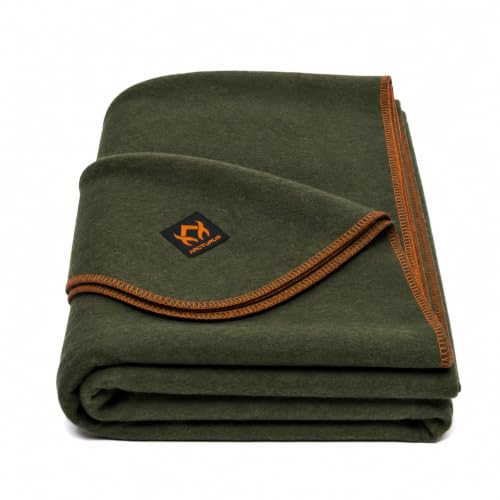
| Military-style wool blanket | Campfires and car camping | Camplabx names a wool option its best all-around pick | Heavy; slow to dry; scratchy to some |
Types of Outdoor Blankets
Puffy synthetic blankets
Puffy blankets use synthetic insulation inside a shell fabric, much like a quilted jacket. The Rumpl Original Puffy is the reference model: CleverHiker notes generous coverage and durable materials, and TravelFreak adds that the shell is not completely waterproof. Because synthetic fill keeps much of its warmth when damp, these blankets suit camp chairs, picnic lawns and car trips. They pack down less than a down blanket, so weight-conscious hikers may prefer a lighter NanoLoft-style option or a smaller size.
Waterproof and ground blankets
If the ground is wet or sandy, a blanket with a waterproof underside keeps you dry. The Rumpl Stash Mat is the example Treeline Review highlights. These blankets are usually thinner than puffy ones, so they work as a seat or ground layer rather than as your main warmth. Always keep a waterproof layer out of fire range and follow the care label.
Fleece stadium blankets
Fleece blankets with a waterproof backing are common for sports events. They are comfortable, inexpensive and easy to wash, but they take up more space than puffy designs and offer less warmth for their bulk. They are a practical budget tier for backyard use.
Wool blankets
Wool is a traditional camping material. It is durable, and it retains some warmth when damp, but it is heavy and slow to dry. Camplabx names a military-style wool blanket as its best all-around pick, which says more about value and durability than about portability. Wool can feel itchy against bare skin, so some buyers add a liner.
Budget Tiers
- Budget: Fleece stadium blankets and low-cost puffy blankets from lesser-known brands. Camplabx points to budget brands that offer similar puffy warmth to Rumpl for less, though materials and stitching may differ.
- Mid-range: Name-brand puffy and festival blankets such as Nomadix, NEMO and the Rumpl Original Puffy.
- Premium: Larger or warmer designs such as the Rumpl Backcountry and high-end lifestyle models.
Size, Fit and Care Notes
- Size. Single-person blankets suit lap use; two-person sizes cover a couple on a picnic. Larger sizes pack bigger, so match the size to the use.
- Packability. Compare the stuff-sack size and weight the maker lists, especially if you will carry it on foot.
- Weather. A shell labeled water-resistant handles dew and light drizzle but is not a tarp. Do not rely on any blanket as the only protection in cold, wet or emergency conditions.
- Washing. Follow the care label. Many synthetic blankets can be machine washed gently, while wool often needs a cold cycle or hand wash.
- Fire safety. Keep synthetic fabrics well away from open flames, hot coals and sparks. Melted fabric and embers can ruin a blanket and cause burns.
- Pets and dirt. Darker colors and tighter weaves hide dirt, but pet hair clings to fleece.
Pick X If You Want…
| Pick this | If you want… |
|---|---|
| Rumpl Original Puffy | A versatile, durable blanket for camp, travel and the couch |
| Rumpl NanoLoft | A lighter option that compresses smaller |
| Rumpl Backcountry | Extra warmth for cold nights |
| Rumpl Stash Mat | A waterproof base for wet grass and sand |
| Nomadix Festival Blanket | A multi-use throw for festivals and the beach |
| Fleece stadium blanket | A cheap, washable layer for games and park days |
| Wool blanket | Durability and a classic campfire layer |
Alternatives to Consider
- Camping quilt: Better for sleeping outdoors than a general-purpose blanket; look for the maker’s stated temperature ratings.
- Picnic mat with waterproof base: A lighter, cheaper option if warmth is not the goal.
- Insulated jacket or throw poncho: Useful if you want warmth while moving around rather than sitting.
Practical Buying Checklist
Start with where the blanket will live. A blanket that stays in the car for picnics can be larger and bulkier than one that rides in a pack, so look at the packed size and weight the maker lists. If it will mostly be used on a patio or at a campsite, fabric feel and coverage matter more than ounces.
Consider the ground and the weather. On damp grass, sand or cold earth, a waterproof underside is more useful than extra loft. On a dry evening around the fire, a puffy or wool blanket is more comfortable. Some buyers own two: a thin waterproof ground blanket and a warm top layer. That pairing often costs less than a single premium model that tries to do everything.
Look at the shell and the fill. Ripstop nylon shells resist snags, while soft polyester shells feel cozier but pick up dirt. Synthetic insulation keeps much of its loft when damp, while wool is heavy but long-lived. Corner loops, snaps or stake-out points help keep a blanket from blowing away, and a stuff sack or carry strap makes transport easier.
Think about who will use it. Children and pets are rough on fabric, so washable materials and darker colors hold up well. For anyone sitting near a fire pit, keep synthetic blankets a safe distance from sparks, and never leave a blanket draped near a heat source. A blanket in a car kit supplements, rather than replaces, proper cold-weather gear and a plan for getting help.
Mistakes to Avoid
Common mistakes include buying the biggest size by default, assuming every shell is waterproof, and ignoring the packed size until the blanket will not fit in the bag. Another is washing a blanket with fabric softener, which can coat insulation and shells and reduce performance. Read the maker’s care label, store the blanket loosely rather than compressed for months, and air it out after damp trips to prevent odors.
Frequently Asked Questions
Are puffy blankets waterproof?
Most are water-resistant rather than waterproof. A reviewer at TravelFreak notes the Rumpl puffy blanket is not completely waterproof. They shed dew and light moisture, but a dedicated waterproof-bottom blanket is better for wet ground.
What is the best outdoor blanket for camping?
Treeline Review names the Rumpl Original Puffy as best overall, and CleverHiker highlights its coverage and insulation. For the coldest nights, the Rumpl Backcountry is reported as the warmest in that brand’s line. Budget-minded campers often look at wool or low-cost puffy options.
Can I use an outdoor blanket for sleeping?
Some people use one as an extra layer over a sleeping bag, but a blanket is not a substitute for rated sleeping gear. In cold conditions use equipment rated for the temperature and follow the maker’s guidance.
How do I wash an outdoor blanket?
Follow the care label. Puffy synthetics are often washed on a gentle cycle and air dried, while wool may need cold water or hand washing. Avoid harsh detergents that can strip water-repellent finishes.
Is a wool blanket better than a synthetic one?
Wool is durable and retains some warmth when damp, but it is heavy and slow to dry. Synthetic puffy blankets are lighter and pack smaller. The better choice depends on whether weight or traditional durability matters more.
How big should an outdoor blanket be?
A single-person size works as a lap blanket or wrap, while a two-person size suits couples or small groups. Remember that larger blankets cost more to carry, so choose the smallest size that covers your seating.





