
Key takeaways
- Pizza size. Sixteen-inch ovens fit larger pies and are better for groups. Twelve-inch ovens heat faster and are easier to carry.
- Portability. The Roccbox and Tread are favored for moving around. Heavy domes are better left in place.
- Surface. Place a hot oven on a heat-resistant, stable table or stand, as the maker specifies. Check the weight against the table rating.
- Clearance. Keep ovens away from fences, overhanging branches, awnings and anything flammable. Use outdoors only, in open space.
For most backyards, a gas oven like the Ooni Koda 16 is the easiest way to good pizza, a wood-and-pellet oven like the Solo Stove Pi Prime or Ooni Karu 2 Pro suits cooks who want live-fire flavor, and a premium insulated oven like the Gozney Dome or Arc XL suits people who host often and want heat retention. Reviewers disagree on a single winner, so the choice comes down to fuel, size, portability and how much you are willing to spend.
Our top picks

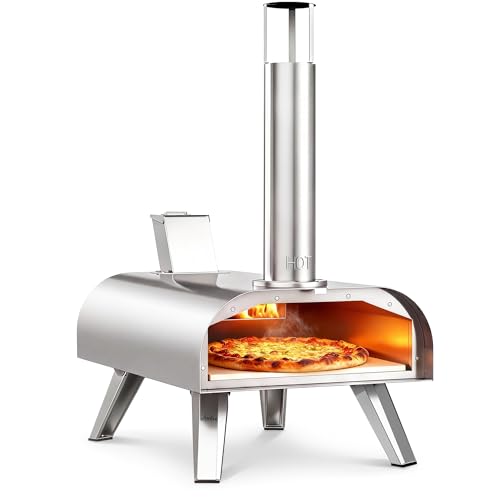
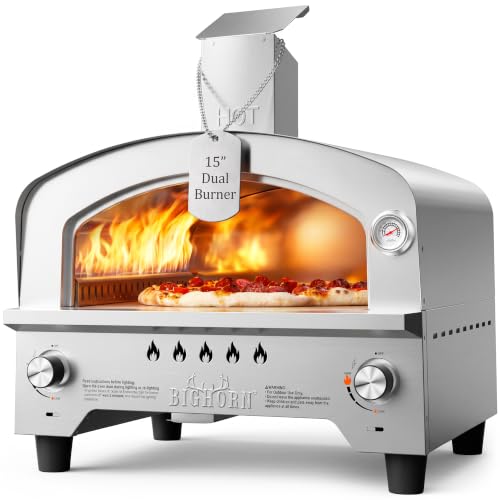

As an Amazon Associate we earn from qualifying purchases at no extra cost to you.
Outdoor Pizza Ovens at a Glance
| Oven | Fuel | Best for | Reviewer notes | Limits |
|---|---|---|---|---|
| Solo Stove Pi Prime | Gas and wood options per the maker | Value and flexibility | Food Network names it best overall; Tom’s Guide says it performs about as well as the Karu 16 for less | Smaller cooking surface than 16-inch rivals |
| Ooni Koda 16 | Propane | Easiest start with almost no learning curve | Tom’s Guide calls it best propane-only | No wood flavor; needs a gas supply |
| Ooni Karu 16 and Karu 2 Pro | Wood, charcoal, and gas with a burner | Multi-fuel cooks | Tom’s Guide picks the Karu 16 best overall; Food Network names the Karu 2 Pro best wood-fired | More tending than gas |
| Ooni Karu 12 | Wood and charcoal | Smaller yards and entry price | Listed by one outlet as an affordable entry | Smaller 12-inch pizzas |
| Gozney Roccbox | Gas | Portable and well insulated | Roundups list it as a top portable pick | Smaller than premium domes |
| Gozney Tread | Wood, gas options per maker | Portable but capable | Food Network recommends it when portability matters as much as performance | Smaller capacity |
| Gozney Dome | Wood and gas options | Professional-grade results at home | Food Network names it best professional grade | Heavy; premium tier |
| Gozney Arc and Arc XL | Gas | Hosting and consistent bakes | Bob Vila’s runner-up and Pala Pizza’s top pick; Arc Lite named best compact | Large and costly at the XL size |
Choosing a Fuel
Gas (propane)
Gas ovens heat in minutes, hold temperature with a dial, and need little cleanup. Reviewers repeatedly name gas models, such as the Koda 16, as the best for beginners. The trade-off is less smoky flavor, and you need a propane cylinder and safe fittings.
Wood and charcoal
Wood-fired ovens give the classic flavor and very high heat, but they take practice. You manage the fire, keep it fed and rotate pizzas. The Karu series and Solo Stove Pi Prime suit this style, according to roundups.
Multi-fuel
Ovens that burn wood and accept a gas burner let you switch depending on time and mood. The extra attachment can add to the cost, so check what the maker includes.
Size, Weight and Placement
- Pizza size. Sixteen-inch ovens fit larger pies and are better for groups. Twelve-inch ovens heat faster and are easier to carry.
- Portability. The Roccbox and Tread are favored for moving around. Heavy domes are better left in place.
- Surface. Place a hot oven on a heat-resistant, stable table or stand, as the maker specifies. Check the weight against the table rating.
- Clearance. Keep ovens away from fences, overhanging branches, awnings and anything flammable. Use outdoors only, in open space.
Insulation and Heat Retention
An outdoor cooking comparison reports that Gozney tends to have better build quality, with heavier insulation and longer heat retention between pies, while Ooni offers better value with a wider range. Heat retention matters if you cook many pizzas back to back. For one or two pies a week, lighter ovens are fine.
Budget Tiers
Budget
The Solo Stove Pi Prime and Ooni Karu 12 lead the entry level in roundups. One outlet calls the Pi Prime the best budget oven. Expect smaller pizzas or a bit more manual tending.
Mid-range
The Ooni Koda 16, Karu 16, Gozney Roccbox and Tread sit here. They offer larger cooking surfaces, more reliable performance and good support.
Premium
The Gozney Dome and Arc XL, along with the Karu 2 Pro, are premium choices. Pala Pizza lists the Arc XL first, and Food Network names the Dome best professional grade.
Safety Notes
- Use ovens outdoors only and in open areas. Never run them in garages, tents or enclosed patios.
- Read the manual for gas connection, leak-checking and lighting instructions. If you smell gas, turn the supply off and move away.
- Surfaces get very hot. Use long-handled peels and heat-resistant gloves, and keep children and pets away.
- Let the oven cool fully before covering or moving it, and dispose of ash only when completely cold.
- Keep a suitable fire extinguisher and water source nearby.
Pick X If You Want This
| Pick this | If you are |
|---|---|
| Ooni Koda 16 | A beginner who wants simple gas cooking |
| Solo Stove Pi Prime | Value hunting with wood or gas flexibility |
| Ooni Karu 16 or Karu 2 Pro | Happy to tend a live fire and want multi-fuel options |
| Gozney Roccbox or Tread | Taking the oven camping or moving it often |
| Gozney Arc XL | Hosting large groups on gas |
| Gozney Dome | Serious home cooks who want pro results |
| Ooni Karu 12 | Short on space or budget |
Cooking Tips
- Preheat for the time the maker lists, and use an infrared thermometer if the manual suggests one.
- Dust peels with semolina or flour so dough slides.
- Turn pizzas often because heat is uneven near the flame.
- Keep toppings light so the base cooks through quickly.
- Brush the stone clean while warm, but never use water on a hot stone.
Alternatives
- Pizza stone or steel for a grill. A way to get hotter bakes without a dedicated oven.
- Indoor kitchen ovens with pizza settings. Handy for year-round use.
- Pizza oven attachments for existing grills. Cost less but offer less insulation.
- Built-in masonry ovens. A fixed project for dedicated cooks.
Which Oven Suits Which Cook
The weeknight cook
If you want pizza on a regular evening without lighting a fire, a gas oven is the least demanding option. You attach the cylinder, light the burner, wait for the stone to heat, and bake. Reviewers frequently describe the Koda 16 as the easiest of the group to learn, and gas ovens also avoid the ash and smoke that wood brings.
The weekend hobbyist
If cooking over fire is part of the fun, a wood-fired model such as the Karu 2 Pro or Pi Prime rewards practice. You will learn to build a small fire, keep it steady and turn pizzas to avoid a burnt edge. Expect a few imperfect pies at first.
The host
If you often cook for six or more, bake time per pizza and heat recovery matter. Large, well-insulated ovens recover heat faster between pizzas, so the queue moves quickly. A big oven also handles flatbreads and vegetables if the maker supports it.
The camper or tailgater
Portable ovens weigh less and pack away, which suits trips. Check the folded size and whether you must carry a propane cylinder or a bag of wood. A sturdy, heat-tolerant table is also needed, so confirm your setup before relying on it.
Accessories worth considering
- A turning peel for rotating pizzas in a hot oven.
- A launching peel with a thin edge for sliding dough in.
- An infrared thermometer to read stone temperature.
- A fitted cover for weather protection.
- Kindling and a small hatchet if you choose a wood-fired model.
Common Mistakes to Avoid
- Skipping the preheat. A stone that is not fully hot yields pale, doughy bases.
- Overloading the pizza. Wet or heavy toppings stop the center from cooking and make launching hard.
- Using too much flour on the peel. Excess flour burns and tastes bitter.
- Neglecting turns. Heat is stronger near the flame, so rotate every few seconds.
- Ignoring wind. A gust can blow out a gas flame or cool a stone. Position the oven so the opening is sheltered.
- Cleaning with water. Cold water on a hot stone may crack it. Brush off debris and let heat do the rest.
- Placing it on a weak table. Heavy ovens need a stable, heat-resistant surface rated for the weight.
Frequently Asked Questions
Which is better, gas or wood-fired?
Gas is easier and faster, and it suits beginners. Wood gives more flavor but requires practice. Many roundups recommend gas to start and multi-fuel if you want both.
Is Ooni or Gozney better?
One comparison finds Ooni better value and Gozney better built with stronger heat retention. If you cook a few pies a week, Ooni may suit you; if you host big dinners, Gozney may fit better. Individual models differ.
What size pizza oven do I need?
For a couple, a 12-inch oven works. For families and parties, a 16-inch oven handles larger pizzas and fewer batches. Check the maker’s stated cooking surface.
Can I use a pizza oven in winter?
Yes, outdoors in a safe, open spot, though preheat times can be longer in cold weather. Keep it dry and shielded from wind. Follow the manual’s guidance.
How do I clean an outdoor pizza oven?
Let it cool, brush loose debris from the stone, and wipe the exterior with a damp cloth. Burn off residue by heating rather than scrubbing. Avoid soap on the stone.
Do pizza ovens need a cover?
Makers generally sell covers to protect against rain and UV. Use one once the oven is completely cool. Store gas cylinders as the manual advises.





