Key takeaways
- Pro: The liter format keeps per-ounce cost near the bottom of this list while still carrying a high-polyphenol designation.
- Pro: Owners consistently note a mild, fruity flavor that works in salads, roasting, and sautéing without the peppery sting of ultra-concentrated oils.
- Con: Polyphenol concentration is not published on the label, so you are trusting the producer’s general claim.
What's inside
A buyer searching for high polyphenol olive oil is solving a specific health problem: getting therapeutic doses of polyphenols and hydroxytyrosol without paying for marketing hype. The gap between a standard supermarket extra virgin and a genuinely phenolic-rich oil is enormous, but the shelf looks crowded with bottles claiming benefits that the published specs do not support.
What separates a worthwhile purchase from a waste of money comes down to three things: verified polyphenol concentration (not just “high” as a label adjective), harvest freshness (polyphenols degrade within months of pressing), and honest serving-size economics. A bottle quoting 1,000 mg/kg but sold in a 250 ml format at a premium price delivers less usable oil than a modestly priced liter. This roundup compares eight options available in 2026 on those published specs, per-unit pricing, and verified owner feedback.
As an Amazon Associate we earn from qualifying purchases at no extra cost to you. Product prices and availability are accurate as of the date shown and are subject to change.



Quick Picks
| Product | Best for | Price |
|---|---|---|
| Atlas Organic EVOO, Moroccan, 1 L | Daily cooking on a budget | $27.94 |
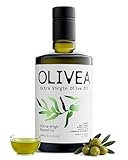
| OLIVEA Ultra High Phenolic 500 ml | Hydroxytyrosol-focused wellness | $45.00 |
| Atlas Organic EVOO, Moroccan, 750 mL | Middle-ground household use | $22.94 |
| P.J. KABOS Family Reserve Organic | Maximum verified phenolic content | $59.83 |
| OLIVIE PLUS 30X 250 ml | Concentrated finishing doses | $31.00 |
| WellEatable High Polyphenol 500 ml | Drinking and finishing versatility | $48.47 |
| Atlas Organic EVOO, Moroccan, 500 mL | First-time polyphenol buyer | $20.42 |
| Desert Miracle Organic 17 fl oz | Balanced value and origin variety | $24.13 |
How We Picked
We evaluated these eight products on published polyphenol ranges (where disclosed), organic and cold-extraction certification, per-ounce cost relative to stated phenolic concentration, and the consistency of owner-reported taste and freshness across retail listings. A high polyphenol olive oil that tastes harsh, rancid, or flat fails the practical test no matter how impressive its lab number looks on the label, so real-world drinkability and packaging quality (dark glass, small formats for concentrated oils) carried meaningful weight in the ranking.
The 8 Best High Polyphenol Olive Oil in 2026
Atlas Organic Extra Virgin Olive Oil, Moroccan, High Polyphenol, 1 L
The right entry point for anyone who wants a genuine high polyphenol olive oil in a cooking-friendly volume without the premium pricing of single-origin Greek bottles.
- Pro: The liter format keeps per-ounce cost near the bottom of this list while still carrying a high-polyphenol designation.
- Pro: Owners consistently note a mild, fruity flavor that works in salads, roasting, and sautéing without the peppery sting of ultra-concentrated oils.
- Con: Polyphenol concentration is not published on the label, so you are trusting the producer’s general claim.
Skip this if you want a quantified phenolic number to track against a health protocol; it serves as a solid everyday oil, not a measured supplement.
OLIVEA Ultra High Phenolic 500 ml
For buyers specifically targeting hydroxytyrosol for heart and brain health, this Greek cold-pressed Olympia oil publishes a clear 1,000+ mg/kg figure and names its polyphenol profile.
- Pro: Transparent spec sheet listing both total polyphenols and hydroxytyrosol content.
- Pro: Early-harvest timing supports higher antioxidant retention than late-press alternatives.
- Con: The 500 ml format at $45 means the per-ounce cost climbs steeply if you use more than a tablespoon daily.
Pass if your budget caps out below forty dollars; the Atlas line delivers a gentler entry price, though without the same published detail.
Atlas Organic Extra Virgin Olive Oil, Moroccan, High Polyphenol, 750 mL
A practical middle size for households that go through oil regularly but are not yet committed to buying by the liter.
- Pro: The 750 ml bottle is lighter to handle and store than the full liter, fitting most pantry shelves and door racks.
- Pro: Price sits close to the liter option on a per-volume basis, making it a low-risk trial size.
- Con: Like the larger Atlas, it lacks a disclosed polyphenol number on the label.
Not ideal if you are comparing products on measured concentration alone; choose this for convenience and moderate volume use.
P.J. KABOS Family Reserve Organic 16.9 oz
The phenolic heavyweight of this list, publishing 900+ mg/kg with USDA Organic and Kosher certifications, marketed as a “Phenolic Shot” for serious wellness consumers.
- Pro: Lab-backed concentration claim and current-harvest freshness give it credibility among the top-tier options here.
- Pro: Cold-extracted and packaged in protective glass, preserving integrity from press to pour.
- Con: At $59.83 for 16.9 oz, it carries the highest absolute price of any product in this roundup.
Skip unless you are treating this as a daily micro-dose supplement rather than a cooking oil; the cost-per-serving math works against general kitchen use.
OLIVIE PLUS 30X Organic 250 ml
Aimed at people who want a concentrated finishing oil they dose in teaspoons, not tablespoons, on bread, vegetables, or smoothies.
- Pro: The small 250 ml bottle means you finish it before oxidation degrades the polyphenols.
- Pro: The 30X branding signals a formulation designed for intensity over volume.
- Con: Per-ounce pricing is the second highest here, and the tiny format can feel underwhelming if you expected a cooking oil.
Not suited as your sole household oil; pair it with a cheaper everyday option and reserve this for finishing applications.
WellEatable High Polyphenol 16.9 fl oz
An award-winning Italian oil published at 1,200+ mg/kg, positioned for both drinking straight and finishing dishes, with lab testing cited on the listing.
- Pro: The highest published polyphenol number in this group at 1,200+ mg/kg.
- Pro: Early harvest and cold extraction documented, with lab results referenced for verification.
- Con: Nearly $50 for 16.9 oz places it in premium territory alongside P.J. KABOS.
Consider skipping if you prefer Greek or Moroccan origins specifically; this is a strong Italian-profile oil and tastes accordingly.
Atlas Organic Extra Virgin Olive Oil, Moroccan, High Polyphenol, 500 mL
The smallest and cheapest Atlas option, best framed as a low-commitment way to test whether a high polyphenol olive oil fits your palate before scaling up.
- Pro: At $20.42 it is the least expensive entry point in this roundup, reducing risk for a first purchase.
- Pro: The compact bottle travels well and fits small kitchens or dorm rooms without bulk.
- Con: Running out faster than larger formats means you may pay more per serving over time.
Skip if you already know you will use this daily in cooking; the liter format saves you a meaningful amount per month.
Desert Miracle Organic 17 fl oz
A desert-grown origin story paired with a high-polyphenol claim at a competitive mid-range price, appealing to buyers who want something outside the usual Mediterranean geography.
- Pro: The 17 fl oz volume lands close to the well-priced Atlas liter on a per-ounce basis.
- Pro: Owners report a clean, mild profile that does not overpower delicate dishes.
- Con: Published polyphenol concentration is not stated numerically, so the “high” label requires trust in the producer.
Pass if you need a hard number to meet a clinical or protocol-driven target; this is a quality everyday oil, not a measured supplement.
Buying Guide
Polyphenol Concentration: The Number That Matters
Standard extra virgin olive oil contains roughly 100 to 300 mg/kg of polyphenols. A true high polyphenol olive oil should publish a verified figure well above that range. Look for 750 mg/kg or higher as a practical threshold; the products here that disclose numbers (OLIVEA, P.J. KABOS, WellEatable) all sit at 900 mg/kg or above. If no number appears, treat “high polyphenol” as a qualitative claim, not a quantified one.
Harvest Date and Degradation Timeline
Polyphenol content peaks at pressing and falls steadily over the following six to twelve months. A bottle listing only a best-by date may contain oil pressed well over a year before you open it. Favor products that name the harvest year or “early harvest” explicitly, and store any high-polyphenol oil away from heat and light in its original dark glass container.
Price per Serving vs. Price per Ounce
Concentrated oils at 1,000+ mg/kg are typically used in one- to two-tablespoon doses, not poured liberally over a salad. Divide the bottle price by the number of servings you actually consume weekly, not by total volume. A $59.83 bottle used at one tablespoon daily lasts over five weeks, making its per-day cost competitive with a cheaper oil you consume three times faster in cooking applications.
Our Verdict
The top pick for verified potency and provenance is the WellEatable 16.9 fl oz at 1,200+ mg/kg — the highest published number in this group, backed by lab testing and cold extraction from a single Italian origin.
The budget pick is the Atlas 1 L at $27.94, which delivers a mild, cooking-friendly high polyphenol olive oil at the best per-ounce value here, even without a disclosed concentration figure.
If you are treating olive oil as a measured daily supplement rather than a kitchen staple, the P.J. KABOS Family Reserve wins because its 900+ mg/kg claim, organic and Kosher certifications, and small-format freshness packaging align best with a protocol-driven routine.
FAQ
How much high polyphenol olive oil should I consume daily?
Most producers and health-focused reviewers suggest one to two tablespoons (15-30 ml) daily to register a meaningful polyphenol intake. This is roughly the dose European food-safety agencies reference for heart-health labeling claims.
Does cooking destroy the polyphenols?
Heat degrades polyphenols progressively; sautéing at medium temperatures preserves a portion, but deep-frying destroys most. For maximum retention, use concentrated oils as finishing drizzles or for low-heat applications rather than as your primary frying fat.
Why do some bottles list hydroxytyrosol separately from total polyphenols?
Hydroxytyrosol is the specific compound most associated with antioxidant and cardiovascular benefits. A bottle that names both total polyphenols and hydroxytyrosol gives you a finer picture of what you are actually consuming, rather than a single aggregate number.
Is a higher polyphenol number always better?
Not necessarily for everyday use. Very concentrated oils taste intensely peppery and bitter, which many people find unpleasant in cooking. The best high polyphenol olive oil is one whose flavor profile you will actually use consistently, whether that is a mild 750 mg/kg daily drizzle or a potent 1,200 mg/kg finishing dose.