
Key takeaways
- Stretch Ozonic: hikers, climbers and travelers who sweat on the move and want mobility and low weight.
- Threshold: hikers wanting a 3-layer, fully sealed shell that is more durable than the Ozonic; retailers list it at roughly 13 oz.
- Cloud Cipher: lighter 3-layer shell (about 11 to 13 oz depending on source) for hikers and backpackers who want weight savings with a 20D face fabric.
- Exposure/2 GORE-TEX Paclite and Paclite Plus: previous-generation GORE-TEX shells; retailers report they are discontinued or largely sold out, so they mainly appear secondhand or at clearance.
- Stretch Ozonic Insulated: cooler-weather wearers who want some warmth built into the shell.
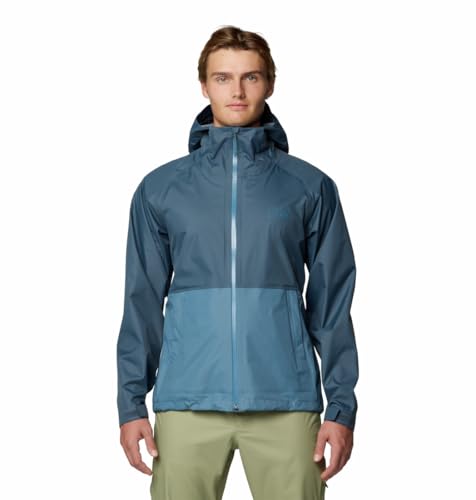
For most buyers, the Mountain Hardwear Stretch Ozonic is the rain jacket to start with: a light, stretchy, breathable 2.5-layer shell for hiking, travel and everyday storms, while the 3-layer Threshold or Cloud Cipher suit people who want a more durable shell for longer or wetter trips. This guide walks through the brand’s rain shell options, who each one suits, and where each falls short, using brand-stated details and outlet reviews.
Our top picks


As an Amazon Associate we earn from qualifying purchases at no extra cost to you.
Quick Answer: Which Mountain Hardwear Rain Jacket for Which Buyer
- Stretch Ozonic: hikers, climbers and travelers who sweat on the move and want mobility and low weight.
- Threshold: hikers wanting a 3-layer, fully sealed shell that is more durable than the Ozonic; retailers list it at roughly 13 oz.
- Cloud Cipher: lighter 3-layer shell (about 11 to 13 oz depending on source) for hikers and backpackers who want weight savings with a 20D face fabric.
- Exposure/2 GORE-TEX Paclite and Paclite Plus: previous-generation GORE-TEX shells; retailers report they are discontinued or largely sold out, so they mainly appear secondhand or at clearance.
- Stretch Ozonic Insulated: cooler-weather wearers who want some warmth built into the shell.
How Mountain Hardwear’s Rain Range Works
Mountain Hardwear divides its rainwear mainly into proprietary membranes: Dry.Q, as in the 2.5-layer Stretch Ozonic, and DrySpell, listed by retailers on the 3-layer Threshold and Cloud Cipher. GORE-TEX jackets such as the older Exposure/2 line are now previous-generation models. Both proprietary and GORE-TEX jackets can be seam-taped and treated with a DWR finish. The practical difference reviewers report is that proprietary 2.5-layer membranes emphasize breathability and price, while 3-layer jackets emphasize durability.
The brand’s rain pages list several models at once, and the lineup shifts from season to season. The names covered here are the ones that appear most consistently in reviews and on the brand’s rain shell listings. Older review figures are labeled as such.
Mountain Hardwear Rain Jackets Compared
| Model | Best for | Key stated or reported specs | Notable limits |
|---|---|---|---|
| Stretch Ozonic | Hiking, climbing, travel, active use | 2.5-layer Dry.Q; 50D stretch ripstop face made from recycled polyester; two 12.5-inch pit zips; OutdoorGearLab measured 9.6 oz for a men’s small; CleverHiker lists roughly 10 to 11 oz (sources vary) | Water protection fades in sustained heavy rain; zippers snag per OutdoorGearLab; hood is snug with partial coverage over a helmet |
| Stretch Ozonic Insulated | Cool, wet days | Insulated version of the Ozonic with a Dry.Q stretch ripstop shell and mapped insulation, listed by the brand in its rain range | Heavier and warmer; less suited to warm-weather hiking |
| Threshold | Dependable everyday and backpacking rain protection | 3-layer, fully sealed seams, underarm vents, back length about 29 inches; retailers list 12.9 to 13.9 oz (sources vary); membrane listed as Dry.Q on older listings and DrySpell on newer ones | Reviewers note modest breathability; pockets are not hipbelt-compatible; heavier than the Ozonic |
| Cloud Cipher | Lighter 3-layer shell for hiking and backpacking | DrySpell 20D 3-layer nylon; pit zips, two-way front zipper; brand lists about 11.7 oz for a men’s medium, GearJunkie measured 11.9 oz, SectionHiker lists 12.8 oz for a large | Breathability rated decent but not standout by reviewers; upper-mid to premium price tier |
| Exposure/2 GORE-TEX Paclite and Paclite Plus (previous generation) | Secondhand or clearance buyers wanting GORE-TEX | 2.5-layer GORE-TEX Paclite fabric per retailer listings; droptail hem, brimmed hood, harness-compatible chest pocket | Retailers report discontinued or sold out; verify condition and warranty terms before buying |
Stretch Ozonic: The Core Mountain Hardwear Rain Jacket
The Stretch Ozonic is among the brand’s most reviewed rain jackets. OutdoorGearLab describes it as an ideal rain shell for demanding activities, praising breathability and mobility. The face fabric is a 50D stretch ripstop in recycled polyester over a 2.5-layer Dry.Q membrane. The jacket has two long pit zips, so you can dump heat on climbs; OutdoorGearLab ranked it fourth of 18 rain jackets in its comparison. The fit is mid-range: slim enough not to hinder aerobic movement, with space for a light layer.
The limits are consistent across reviews. OutdoorGearLab found that water protection diminishes in sustained heavy rain, with saturation in high-wear areas such as shoulders where pack straps rub. CleverHiker reported it is best for moderate rain and begins wetting through after several hours of sustained precipitation. A 2.5-layer jacket is also less abrasion resistant than a 3-layer one. OutdoorGearLab describes the hood as snug with partial coverage when worn over a helmet. The jacket sits in the mid-range price tier.
Exposure/2 GORE-TEX Paclite: A Previous-Generation Option
The Exposure/2 was the brand’s GORE-TEX Paclite jacket line; REI shows the stretch version as not available and CampSaver reports the Paclite Plus as discontinued, so treat it as previous generation. Older retailer listings describe a recycled-content 2.5-layer Paclite fabric with a droptail hem, a brimmed hood and a chest pocket that stays accessible under a harness. Switchback Travel’s older review listed the weight at about 12.5 oz, heavier than the Ozonic. Paclite is a lightweight GORE-TEX construction; it is waterproof and windproof but, like most 2.5-layer fabrics, only moderately breathable. A stretch version exists, according to retailer listings, aimed at improving mobility.
The Paclite Plus variant was positioned by the brand for climbing and packability; Trailspace’s older review calls it an entry-level GORE-TEX hardshell that is not stretchy. CampSaver reports it as discontinued.
Threshold and Cloud Cipher
Both are 3-layer jackets listed on the brand’s rain shell pages. The Threshold is described by BetterTrail as a reliable, affordable pick for hikers and backpackers that runs warm for high-output use. The Cloud Cipher uses a 20D face fabric, and GearJunkie and SectionHiker both describe it as dependable in sustained rain, with reasonable but not standout breathability. Retailer and review weights differ, so confirm the figure for your size on the brand page.
Sizing and Fit Advice
- The Stretch Ozonic is a mid-range cut, according to OutdoorGearLab. If you plan to wear a fleece or a light insulated jacket beneath, size to the layering you expect rather than the T-shirt fit.
- Women’s and men’s cuts differ in weight and length, so compare each against its own listing.
- Helmet use: reviewers describe the Ozonic hood as snug with partial coverage over a helmet. Climbers should consider a dedicated alpine shell with a helmet-compatible hood.
- Hem and sleeve length: check arm and torso length if you are tall; try raising your arms to confirm that the hem does not ride up under a pack.
Who Should Buy and Who Should Skip
Buy a Mountain Hardwear rain jacket if:
- You hike or climb in showers and want a stretchy, breathable jacket that moves with you.
- You want a mid-range price compared with premium GORE-TEX Pro shells.
- You travel and need a shell that packs into a pocket or the bottom of a daypack.
Skip it if:
- You regularly spend hours in sustained heavy rain; reviewers point to the Arc’teryx Beta or a 3-layer shell for that.
- You need a helmet-compatible hood for climbing or skiing.
- You want maximum abrasion resistance for carrying a heavy pack every day.
How It Compares With Alternative Brands
Arc’teryx
OutdoorGearLab names the Arc’teryx Beta as the alternative for superior weather protection during extended rain. Arc’teryx uses 3-layer GORE-TEX and sits in the premium tier. Mountain Hardwear’s Ozonic is typically cheaper and stretchier but less protective in long storms.
Outdoor Research
OutdoorGearLab lists the Outdoor Research Helium as a lighter backup option. OutdoorGearLab describes it as offering minimal weather protection in exchange for low weight, so it is better as an emergency layer than a daily shell.
Patagonia and Rab
CleverHiker lists the Outdoor Research Foray 3L as a comparable option with better ventilation and the Patagonia Torrentshell 3L as a more durable, lower-cost one. OutdoorGearLab scored the Torrentshell 3L higher for water resistance but lower for breathability, and rates the Rab Downpour above the Ozonic for water resistance.
Care, DWR Re-Proofing and Common Issues
- Wash regularly: body oils and dirt reduce breathability and wet-out the face fabric. Use a technical-fabric wash following the care label.
- Revive DWR: a low-heat tumble dry, if permitted by the label, can reactivate the finish. When water stops beading, apply a wash-in or spray-on DWR product made for waterproof shells.
- Pack-strap wear: because reviewers note saturation at high-wear areas, keep shoulder panels clean and re-treat them first.
- Zippers: OutdoorGearLab found zippers snag; slow, two-handed zipping and occasional zipper cleaning help.
- Storage: store the jacket dry. Avoid leaving it compressed for months, which can crease the membrane.
Decision Table: Pick X If
| Pick this | If you |
|---|---|
| Stretch Ozonic | want a mobile, breathable shell for hiking and travel at a mid-range price |
| Stretch Ozonic Insulated | want a bit of warmth in a rain jacket for cool days |
| Threshold | want a 3-layer shell for longer outings and accept roughly 13 oz |
| Cloud Cipher | want a lighter 3-layer shell and accept decent but not standout breathability |
| Exposure/2 GORE-TEX (previous generation) | find one secondhand or at clearance and confirm its condition |
| A premium 3-layer shell from another brand | face long, sustained heavy rain or need a helmet-compatible hood |
Frequently Asked Questions
Is the Mountain Hardwear Stretch Ozonic fully waterproof?
It uses a seam-taped 2.5-layer Dry.Q membrane and sheds rain well in showers. OutdoorGearLab and CleverHiker both report that it loses protection in sustained heavy rain, with high-wear areas saturating. It suits day hikes better than multi-day storms.
How much does the Stretch Ozonic weigh?
OutdoorGearLab measured 9.6 oz for a men’s small, and CleverHiker lists roughly 10 to 11 oz depending on version. Sources vary, and weight depends on size and the version, so use the brand listing for your size.
What is the difference between Dry.Q and GORE-TEX?
Dry.Q is Mountain Hardwear’s own waterproof-breathable membrane, while GORE-TEX is a membrane technology from Gore. GORE-TEX jackets, such as the previous-generation Exposure/2, come with Gore’s own guarantee, while Dry.Q jackets typically cost less. Real-world comfort depends as much on construction and fit as on the brand of membrane.
Can I wear the Stretch Ozonic with a helmet?
OutdoorGearLab describes the hood as snug with partial coverage over a helmet. Climbers and skiers usually choose a jacket with a dedicated helmet-compatible hood.
How do I wash a Mountain Hardwear rain jacket?
Close all zippers, wash on a gentle cycle with a technical-fabric cleaner, and rinse well. Dry as the care label directs, and reapply a DWR treatment when water stops beading.
Which Mountain Hardwear jacket is best for travel?
The Stretch Ozonic is the common choice because it is light, packable and comfortable for active sightseeing. The Cloud Cipher is a lighter 3-layer alternative if you expect long wet stretches.





