
Key takeaways
- Budget: Basic manual sprayers such as the Chapin 61500, an honest first sprayer according to one review.
- Mid-range: The Solo 425 and entry-level battery models like the Chapin 60124.
- Premium: Milwaukee M18 SWITCH TANK and other tool-brand battery units, which make the most sense if you already use the platform or cover large acreage.
For most homeowners, a manual piston sprayer such as the Solo 425 suits buyers who want proven reliability and higher pressure with nothing to charge, the Chapin 61500 suits first-time buyers on a budget, and a battery sprayer such as the Chapin 60124 or the Milwaukee M18 SWITCH TANK suits people with large lawns or gardens who do not want to pump. Roundups from Reviewed, What Grass Is This and Obsessed Lawn mention these names repeatedly. The best backpack sprayer depends on tank size, how much ground you cover and whether you already own a compatible battery platform.
Our top picks
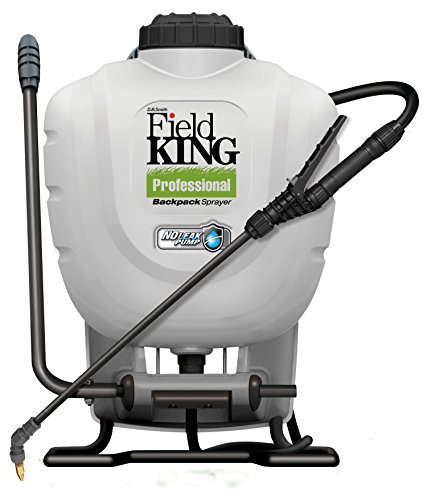


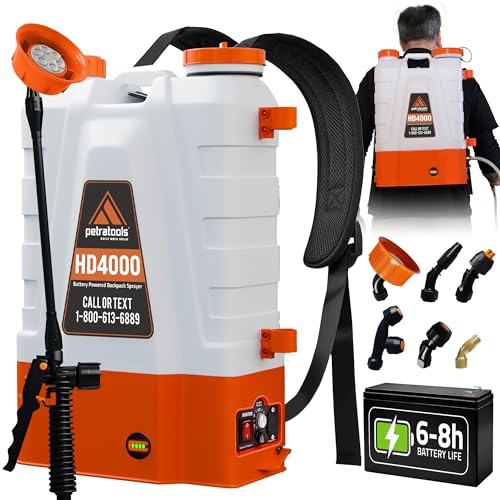
As an Amazon Associate we earn from qualifying purchases at no extra cost to you.
Backpack Sprayers at a Glance
| Model | Type | Best for | Key points reported | Limits |
|---|---|---|---|---|
| Solo 425 | Manual piston, 4 gal | Reliability and value | Reviewers list pressure up to about 90 PSI and call it simple and dependable | Requires constant pumping |
| Chapin 61500 | Manual, 4 gal | First sprayer on a budget | Reviewers cite durability and low cost; pressure listed around 60 PSI | Lower pressure than the Solo 425 |
| Chapin 63985 | Battery, 4 gal | Medium lawns | Rated around 60 PSI; many users praise longevity with upkeep | Some reports of battery or seal problems |
| Chapin 60124 | 20V battery | Large lawns | Recommended by reviewers for running many tanks per charge without pumping | Costs more than manual units |
| Milwaukee M18 SWITCH TANK | Battery, 4 gal | Owners of M18 batteries | A farm-focused review says it removes the repetitive pumping motion that causes fatigue | Expensive unless you already own M18 batteries |
| PetraTools HD4000 | Battery, 4 gal | Long runtime | The maker claims six to eight hours of battery life | Maker claim; real runtime varies by use |
| DEWALT 20V MAX | Battery | DEWALT tool owners | Often listed among battery picks | Check tank size and battery compatibility |
How to Choose
Manual versus battery
Manual sprayers are cheaper, never need charging and can reach higher peak pressure than most battery models. The trade-off is fatigue, since you pump a lever while you spray. Battery sprayers remove that effort and give steadier pressure, which matters for large areas. A farm-focused review reports that eliminating the pumping motion removes a main cause of fatigue. Battery units cost more, add a charger to maintain and depend on seals and pumps that can wear.
Tank size and weight
Four gallons is the common size. A full 4-gallon tank holds a substantial load of liquid, so weight is a real consideration; water alone weighs several pounds per gallon. Choose a smaller tank if you have back concerns. Well-padded straps, a waist belt and a sternum strap spread weight better.
Pressure and nozzles
Pressure affects spray pattern and reach. The Solo 425 is listed at up to 90 PSI and the Chapin manual and battery models at around 60 PSI, according to roundups. For typical lawn and garden applications, modest pressure is enough, and some chemicals require specific pressure or nozzle settings on the label. Look for adjustable nozzles and a wand length that suits your height.
Seals and chemical compatibility
Seals matter when you spray fertilizers, herbicides or pesticides. Check that the sprayer’s materials suit the products you use, and read both the sprayer manual and the product label. Some seals fail faster with harsh chemicals. Rinse the tank thoroughly after each use and follow the maker’s guidance on storage.
Battery platforms
If you own tools from Milwaukee, DEWALT or Chapin, a sprayer that shares your batteries lowers the total cost. Otherwise you pay for a battery and charger, which changes the value comparison.
Budget Tiers
- Budget: Basic manual sprayers such as the Chapin 61500, an honest first sprayer according to one review.
- Mid-range: The Solo 425 and entry-level battery models like the Chapin 60124.
- Premium: Milwaukee M18 SWITCH TANK and other tool-brand battery units, which make the most sense if you already use the platform or cover large acreage.
Fit, Safety and Care Notes
- Read the label. Follow the chemical product’s directions on mixing, protective equipment and rates. Wear gloves, eye protection and long sleeves.
- Dedicated sprayers. Use separate sprayers for herbicides and for fertilizers or fungicides to avoid cross-contamination that can damage desirable plants.
- Weather. Do not spray in wind or heavy rain, and keep children and pets away until the product label says the area is safe.
- Cleaning. Empty and rinse the tank and wand after use. Dispose of leftovers according to local rules and the label.
- Battery care. Store lithium batteries indoors at moderate temperatures and follow charging directions.
- Fit. Adjust straps so the tank rides close to your back. Try the model with a full tank if you can.
- Replacement parts. Check that seals, wands and nozzles are available, since they wear.
Pick X If You Want…
| Pick this | If you want… |
|---|---|
| Solo 425 | A durable manual sprayer with strong pressure |
| Chapin 61500 | A low-cost starter sprayer |
| Chapin 63985 | A battery sprayer for moderate yards at a mid price |
| Chapin 60124 | A battery sprayer for large lawns |
| Milwaukee M18 SWITCH TANK | A pump-free sprayer that shares M18 batteries |
| PetraTools HD4000 | A long-runtime battery option, per the maker |
Alternatives to Consider
- Handheld pump sprayer: Lighter and cheaper for small gardens and spot treatments.
- Hose-end sprayer: Simple for fertilizing a lawn without a tank, though less precise.
- Wheeled tank sprayer: Better for very large areas where backpack weight becomes a problem.
Practical Buying Checklist
Start by estimating the area you spray. For a small suburban lawn or a few garden beds, a manual sprayer is usually enough and costs less. For multiple acres or frequent treatments, a battery sprayer saves effort and time. Think about how many tanks you will fill in a typical session, since each fill means mixing, carrying and cleaning.
Look at comfort features. Wide, padded shoulder straps, a chest strap and a waist belt help spread the load. On a manual model, see where the pump handle sits and whether it can be switched between left-hand and right-hand use. A wand with a comfortable trigger lock, shutoff valve and adjustable nozzle makes long sessions easier.
Consider the filling process. A wide tank opening with a strainer makes it easier to pour in product without spills, and clear volume markings help you mix correctly. Some battery models include a sight gauge or a pressure regulator. A pressure adjustment is useful when the product label calls for a specific pressure range.
Plan maintenance. Seals, O-rings and pump pistons are wear items; ask whether the maker sells repair kits and whether the sprayer can be repaired without special tools. A sprayer with a good parts supply can last many seasons, while a bargain unit that cannot be fixed may need replacement after heavy use. For battery models, a spare battery and a charger kept in a dry location help keep work moving.
Mistakes to Avoid
Common mistakes include overfilling the tank so it is too heavy to carry safely, mixing products without reading the label, and leaving chemical in the tank for days. Others are using a sprayer on windy days, forgetting to wear protective gear, and storing a battery in a hot shed. Mix only what you need, rinse after each job, and keep a log of which sprayer is used for which type of product. It also helps to think about calibration. Walk a measured patch with plain water, time how long a tank lasts and note how much area it covers, so you can apply the amount the product label calls for. Repeat the check when you change nozzles or after the pump seals are replaced. Many labels give rates per area, and consistent walking speed and pressure matter as much as the model you buy.
Frequently Asked Questions
Which backpack sprayer is best for a lawn?
Manual units like the Solo 425 are consistently recommended for reliability, while battery models such as the Chapin 60124 suit large lawns because you do not have to pump. Pick based on lawn size and how much effort you want to spend.
Is a battery backpack sprayer worth it?
For large areas or frequent spraying, yes, because it removes the pumping fatigue. For occasional small jobs, a manual sprayer is cheaper and simpler. Battery models also require charging and seal maintenance.
How big a tank do I need?
A 4-gallon tank is the common choice for homes and small farms. Larger tanks cover more ground per fill but are heavier. Choose a size you can carry comfortably when full.
Can I use one sprayer for different chemicals?
It is better to dedicate sprayers to herbicides and to other products, since residue can harm plants. Rinse thoroughly regardless, and check the chemical label and sprayer manual for compatibility.
How do I clean a backpack sprayer?
Empty leftover mix according to the label, rinse the tank and wand with clean water, run water through the hose and nozzle and let the parts dry before storage. Follow the maker’s cleaning guidance.
Why does my sprayer lose pressure?
Common causes are worn seals, clogged filters or nozzles, and loose fittings. Check the manual for replacement parts. If the problem continues, contact the maker.





