A tall fabric or wood panel screen such as the Outsunny 5.9 ft single panel suits renters who want quick privacy on a balcony or patio, a multi-panel folding divider such as the JOSTYLE or HOMSCREENER style suits those who want to partition a seating area, and a low wood screen like the Sunnydaze 44 inch folding model suits hiding bins, meters and utility boxes rather than blocking sight lines. The best outdoor room divider is the one that matches your goal, whether that is privacy, wind reduction, shade or simply visual separation, and that stays put in the wind. This guide compares the types reviewers discuss, covers stability and care, and ends with a decision table and FAQ.
Our top picks


As an Amazon Associate we earn from qualifying purchases at no extra cost to you.
Outdoor Room Dividers at a Glance
| Type / example | Best for | Key stated specs | Limits |
|---|---|---|---|
| Outsunny 5.9 ft single panel fabric screen | Quick balcony or patio privacy | Maker lists splash-resistant 160 gsm polyester with UPF 30+ protection; about 70.9 inches tall and wide feet to resist tipping | Single panel covers a narrow width; fabric is not for strong wind |
| Sunnydaze 44 inch folding wood screen (4 panels) | Hiding bins, utility boxes, defining an edge | Meranti wood with teak oil finish; maker lists about 8 ft 11 in wide and 44 in tall, weight 35.4 lb | Low height gives little privacy; maker says to cover or bring inside in harsh weather; a buyer review notes it can blow over |
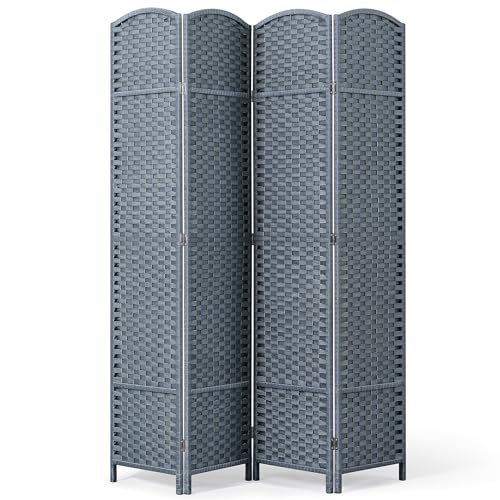
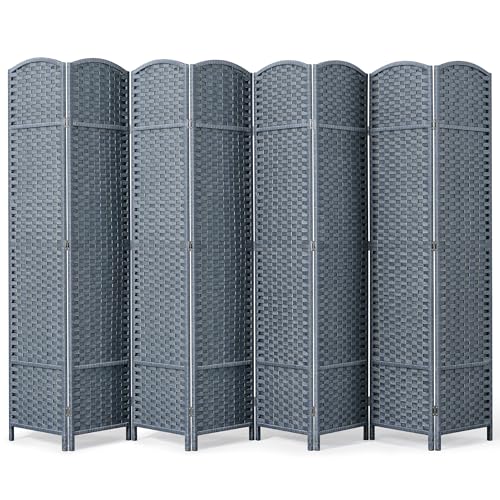
| JOSTYLE 8-panel folding divider (named best overall in one roundup) | Partitioning a large patio | Multi-panel freestanding design | Needs wide floor space; check the maker’s weather guidance |
| HOMSCREENER 4-panel (named best portable in a roundup) | Movable privacy | Reportedly non-see-through 240 g polyester | Fabric needs care after rain |
| Kozyard metal screen (named most durable in a roundup) | Longer-term, sturdier divider | Metal panel construction | Heavier and more costly; check the finish |
| Windscreen4less privacy fence screen | Covering an existing fence or railing | Fence-mounted mesh style | Needs something to attach to |
| Outdoor curtains | Pergolas, porches, budget | Hang from a rod or cable | Move in wind; need tiebacks or weights |
Specs above come from maker pages and from roundups such as Mayfair Farms and Progressive Radio Network. Several of those are affiliate-style lists, and the sample of independent owner reviews for these products is small, so treat rankings as starting points and read the maker’s current description.
How to Choose an Outdoor Room Divider
Define the job
Privacy needs height and solid coverage: aim for at least 6 feet if you want to block sight lines from neighbors. Wind reduction needs a solid or lightly perforated panel that is anchored. Visual separation can use lower, open slats or planters. Hiding utilities works with 3 to 4 foot screens. Shade is a different task, handled better by panels with UPF fabric or a pergola cover.
Material
Polyester fabric is light and affordable, with an easy wipe-clean surface. The Outsunny model is listed as splash resistant, not waterproof, so heavy rain can soak through some fabrics and leave mildew if the panel stays wet.
Wood such as meranti or cedar looks natural and gives a solid surface. It needs sealing or oiling and benefits from being covered or brought inside in harsh weather, as the Sunnydaze maker advises.
Metal with powder coating suits decorative laser-cut or slatted panels and holds up better against wind, but can rust if the coating chips.
Bamboo and reed are inexpensive and natural but fade and split in sun and rain over time.
Composite and resin panels resist moisture and are low maintenance, though they vary in quality.
Stability and wind
Every freestanding divider is a sail. Wide feet, an accordion zig-zag layout and a weighted base improve stability. Placing a folding screen in a zig-zag instead of a straight line helps it resist tipping. In strong wind, move lightweight screens indoors or lay them down. One Home Depot buyer of the Sunnydaze screen reported that it was light and blew over easily, which is consistent with a 35 lb four-panel screen of low height. Do not rely on a freestanding screen near a pool, stairs or a roof edge where a fall could cause harm.
Height and width
Measure the area you want to cover and add several inches. Panel widths vary, and a four-panel screen may stretch to under 9 feet but only covers that length when fully open and not zig-zagged. For corners, an L-shaped arrangement with two screens can work.
Fire and heat
Keep fabric, wood and bamboo dividers well away from grills, fire pits, heaters and candles. Follow the grill or heater maker’s clearance distances, and do not place a screen where it could catch embers. Some regions have rules for balconies and multifamily buildings, so check your lease or local rules before installing anything on a railing.
Care
- Wipe fabric with mild soap and water and let it dry completely before folding.
- Oil or seal wood according to the maker’s guide.
- Touch up chips on metal frames to prevent rust.
- Store screens indoors or under cover in winter or storms.
- Check hinges and feet for wear each season.
Budget Tiers
- Budget: Single fabric panels, curtains and bamboo rolls. Fast and low commitment, with a shorter life in sun and wind.
- Mid-range: Multi-panel folding screens in wood, composite or powder-coated metal.
- Premium: Custom slatted wood or metal panels, planters with built-in screens and fixed installations.
Pick X If… Decision Table
| Pick this | If you |
|---|---|
| Outsunny single tall panel | want fast privacy for a balcony nook and can shelter it in storms |
| Multi-panel folding screen (JOSTYLE or HOMSCREENER style) | need to divide a patio or sitting area and can place it in a zig-zag |
| Sunnydaze 44 inch wood screen | want to hide bins or utilities, not block sight lines |
| Metal screen such as Kozyard | want a sturdier long-term divider and accept the weight |
| Fence screen (Windscreen4less style) | already have a fence or railing to attach to |
| Outdoor curtains | have a pergola or porch with a rod |
Layout Ideas by Space
Small balcony
A single tall panel in a corner gives a private nook without eating floor space. Keep it clear of the railing edge and make sure it cannot topple over the side, since a falling screen is a hazard to people below. Check your building rules about attachments and heights before buying.
Patio with a dining area and a lounge area
A multi-panel folding screen set in a gentle zig-zag between the two zones separates them visually while still letting air move. Choose a height that blocks the view from a seated position, which is often around 5 to 6 feet, and one that is light enough to move for events.
Hiding bins and equipment
Low wood or slatted screens, like the 44 inch Sunnydaze style, tuck around trash cans, air conditioning units and meters. Leave clearance for the equipment to breathe and for service access, and never block a gas meter, electrical panel or vent in a way that the utility or local code forbids.
Poolside or hot tub privacy
Choose a screen that is stable and sturdy, with no sharp edges, and keep it clear of the water edge. Fabric near chemicals and splashes will wear faster, so rinse it as the maker allows.
Buying Checklist
- Measure the width and the height you need, and compare with the maker’s listed dimensions.
- Read how the maker rates the weather resistance, and note any instructions to cover or store the screen.
- Look at the weight and the foot design, since both affect stability.
- Check how the panels connect and whether hinges are metal or fabric.
- Look for a return policy, because color and fabric opacity are hard to judge from photographs.
Alternatives Worth a Look
- Planters and trellises: Tall planters with climbing plants create a living divider that also blocks wind, though growth takes time.
- Pergola panels or shades: Roll-down shades attach to a pergola and can be retracted.
- Fencing or hedging: A permanent fence or hedge gives the strongest privacy but may need permits or landlord approval.
Frequently Asked Questions
How tall should an outdoor privacy divider be?
For privacy from standing neighbors, aim for about 6 feet or more. A 3 to 4 foot screen can hide bins and utilities or define an edge, but it will not block a view. Measure from the floor of the patio, not the ground.
Will a freestanding screen survive wind?
Lightweight ones may not. Wide feet, a zig-zag layout and weight help, but you should still move screens inside during storms. Manufacturer guidance is the best reference for your model.
Are fabric screens waterproof?
Not usually. The Outsunny model is described by the maker as splash resistant. Let a wet screen dry fully before folding to avoid mildew.
Can I use a divider on a balcony?
Often yes, but check your lease, building rules and local codes. Avoid heavy or tall screens on railings, and make sure they are secured so they cannot fall.
Is wood or metal better?
Wood looks warmer and needs sealing, while powder-coated metal is sturdier against wind and low-maintenance as long as the coating stays intact. Choose based on your climate and appearance.
Can a divider go near a grill or fire pit?
Keep a safe distance and follow the clearance distances in the grill or fire pit manual. Fabric, wood and bamboo can ignite, so choose a placement that stays well away from flames and embers.