
Key takeaways
- Purpose-built outdoor TVs: Rated for weather and designed for direct sun, but costlier than an indoor TV plus enclosure.
- Retractable or motorized mounts: Lower the TV into a protective cabinet when not in use.
- Covered patios or pergolas: Reduce exposure to rain and sun, though humidity and dust still reach the TV.
- Bring the TV indoors: The simplest approach if you only watch a few times a season.
If your outdoor TV stays up year-round, a hard-shell enclosure such as the Storm Shell or The TV Shield offers the most protection, while a soft cover like the iBirdie or Garnetics is the budget-friendly choice for covering a TV between uses, and custom covers make sense for oversized screens.
Our top picks
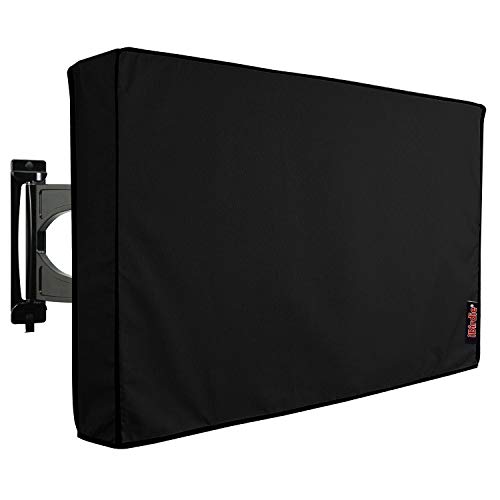
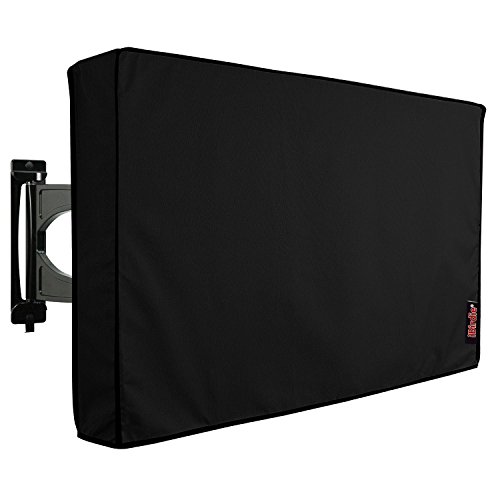


As an Amazon Associate we earn from qualifying purchases at no extra cost to you.
At a Glance: Outdoor TV Covers Compared
| Option | Type | Best for | Key stated traits | Limits |
|---|---|---|---|---|
| Storm Shell Outdoor TV Hard Cover | Hard-shell | Permanent installs | Reviewers frequently list it as the best overall pick | Higher cost; takes effort to install |
| The TV Shield | Hard enclosure | Severe weather, debris, dust and UV | The maker describes an impact-resistant enclosure; PopSci lists a two-fan anti-glare version as a splurge | Premium tier; larger footprint |
| iBirdie soft covers | Soft fabric | Budget and everyday weather protection | Frequently cited as a top budget pick; sold for common TV sizes | Less impact protection; not for watching with the cover on |
| Garnetics Outdoor TV Cover | Soft fabric | Value and marine-grade fabric claims | PopSci calls it best value; another guide describes the larger size as marine-grade | Fabric covers need regular drying |
| acrtmatic hard cover | Hard-shell | Budget hard cover | Listed as a budget hard cover in one guide | Fewer reviewers; fit varies |
| GDLF wood enclosure | Wood cabinet | Rustic patio look | Natural wood design | Wood needs maintenance |
| Custom-fit covers | Soft, made to measure | Large or unusual TVs | Coverstore suggests custom covers for large TVs | Cost and lead time |
Soft Cover or Hard Enclosure?
Soft Covers
Soft covers are fabric sleeves that slip over the TV and cinch at the bottom. They protect against rain, dust, pollen and sun when the TV is not in use. They are inexpensive, fold up for storage and suit patios where the TV is on a stand or wall mount. The downside is limited impact protection and the need to remove the cover to watch. Trapped moisture can be an issue if you cover a damp TV, so let the screen dry before putting the cover on.
Hard-Shell Enclosures
Hard enclosures surround the TV in a rigid box with a front panel or flip-top. Many are designed to stay in place year-round and some allow viewing while closed, depending on the model. They protect against hail, falling branches and accidental bumps, and some include ventilation or fans to manage heat. They cost more and take more time to install, and the TV’s ports and cables must be routed according to the maker’s instructions.
Which Do Reviewers Prefer?
Roundups generally say soft covers are best for budget and occasional use, and hard shells are best if the TV lives outdoors permanently or sees frequent use. For extreme weather, reviewers point to rigid, mountable options.
Sizing and Fit
Measure your TV’s width, height and depth, including the stand or mount, then compare them to the maker’s size chart. Covers are usually sold by screen diagonal range, such as 52 to 55 inches. Remember that mount depth matters: a TV on a full-motion arm sticks out further than a flush wall-mounted set. If you are between sizes, a slightly larger cover is usually safer than one that is too small, but a loose cover can flap in the wind unless it has straps or a drawstring.
Features to Weigh
Fabric and Water Resistance
Look for UV-resistant, water-resistant fabric with sealed or covered seams. Heavier fabrics resist tearing, but they can trap heat and moisture. Terms like marine-grade describe the fabric class from the maker rather than a guarantee for your climate.
Ventilation
A TV that is wet or hot inside a sealed cover can develop condensation. Choose covers with vents or breathable fabric, and never use a TV while it is covered unless the maker explicitly designs the product for that. Do not leave electronics powered on inside a closed cover.
Security and Closure
Straps, zippers and drawstrings keep soft covers from blowing off. Some hard enclosures include locks, which PopSci notes for the lockable E-Series 36 to 43 inch model.
Anti-Glare and Viewing
If you plan to watch from inside an enclosure, look for anti-glare panels and sound-friendly designs. Check the maker’s listing for details about audio, remote control and cable access.
Mounting and Cable Management
Permanent enclosures often require mounting hardware, and wiring must be routed safely. Outdoor power and electrical work should follow local code and manufacturer instructions. If you are not comfortable with outdoor wiring, hire a licensed electrician rather than improvising.
Budget Tiers
| Tier | Examples | What to expect | Trade-offs |
|---|---|---|---|
| Budget | iBirdie, OutdoorLines, acrtmatic | Basic weather and dust protection | Thinner materials; shorter lifespan |
| Mid-range | Garnetics, GDLF wood enclosures | Heavier fabric or wood construction, better fit | Wood needs upkeep; limited impact protection |
| Premium | Storm Shell, The TV Shield, custom covers | Rigid protection, ventilation and locking features | Higher cost and installation effort |
Pick X If… Decision Table
| If you… | Pick | Why |
|---|---|---|
| Want the cheapest weather barrier | iBirdie or similar soft cover | Low cost, widely sold in common sizes |
| Want value with better fabric | Garnetics | Reviewers call it a value pick |
| Leave the TV outside all year | Storm Shell hard cover | Rigid protection for permanent setups |
| Live in a harsh climate | The TV Shield | Impact- and UV-resistant design |
| Own a very large TV | Custom-fit cover | Made to measure |
| Want a rustic patio look | GDLF wood enclosure | Matches outdoor furniture |
Care, Safety and Practical Notes
Unplug the TV and let it cool before covering it. Never cover a powered or hot TV, and keep vents clear. Clean soft covers with mild soap and water, and dry them thoroughly before storing. Check straps and zippers each season. Outdoor TVs should be rated for the environment: a standard indoor TV is not designed for rain, humidity or temperature swings, and a cover cannot replace a purpose-built outdoor TV. For power, use outdoor-rated outlets and follow local electrical code. In storms, lightning and surge risks are real; consider unplugging or using appropriate surge protection and consult an electrician for permanent outdoor installations.
Alternatives
- Purpose-built outdoor TVs: Rated for weather and designed for direct sun, but costlier than an indoor TV plus enclosure.
- Retractable or motorized mounts: Lower the TV into a protective cabinet when not in use.
- Covered patios or pergolas: Reduce exposure to rain and sun, though humidity and dust still reach the TV.
- Bring the TV indoors: The simplest approach if you only watch a few times a season.
Choosing for Your Climate
Where you live changes what you need. In humid regions, breathable fabrics and ventilation reduce trapped moisture. In sunny regions, UV-resistant fabric holds up better and light colors can reflect heat. In places with hail, snow or windblown debris, a hard enclosure offers more protection than fabric. In coastal areas, salt air can corrode metal fasteners, so look for rust-resistant hardware and rinse the cover with fresh water periodically.
Wall-Mounted Versus Stand-Mounted TVs
A wall-mounted TV needs a cover or enclosure that fits the TV plus its bracket depth, and the cover should not pull on the mount. A stand-mounted TV on a cart or console needs a cover that reaches the stand base or cinches below the screen. Hard enclosures often come with mounting kits, and the maker will list which TV sizes and mount types they support.
Remotes, Soundbars and Accessories
If you use a soundbar, streaming stick or game console outdoors, remember they also need protection. Some enclosures include space for these devices; with fabric covers you may need to bring them inside. Use outdoor-rated extension cords and weather-resistant outlet covers, and follow local electrical code.
Frequently Asked Questions
Can I use a regular TV outdoors with a cover?
A cover helps protect an indoor TV from some weather, but it does not make the TV outdoor-rated. Heat, humidity and temperature swings can still cause problems, so check the TV maker’s guidance about operating conditions.
Should I leave a TV cover on while watching?
Not unless the product is specifically designed for viewing while closed. Most soft covers are for storage only, and covering a running TV can trap heat. Follow the maker’s instructions.
How do I choose the right TV cover size?
Measure width, height and depth, including any mount or stand, and compare to the maker’s chart. Match the screen size range and consider a slightly larger size if your TV sits on a thick mount.
Do hard enclosures protect against hail?
Many are marketed as impact-resistant, and reviewers cite rigid enclosures as better for severe weather than fabric covers. No enclosure is guaranteed against all damage, so read the maker’s specifications.
How do I prevent condensation under a cover?
Let the TV cool and dry before covering it, choose a breathable or vented cover, and avoid sealing a damp TV inside plastic. Moving the TV indoors during long wet seasons is safest.
How long do outdoor TV covers last?
Lifespan depends on sun, wind, rain and fabric quality. Heavier, UV-resistant materials generally last longer, and regular cleaning and drying extend their life.





