Key takeaways
- Thick cushioning along the sole reduces impact on gravel trails.
- Seamless toe box design minimizes friction across the front of the foot.
- Lower wool density compared to top-tier technical brands.
A poor choice in footgear can quickly ruin a long trek on the trail. Hikers frequently deal with severe friction, painful hotspots, moisture accumulation, and rapid fiber degradation when wearing improper footwear layers. Quality hiking socks solve these issues by managing perspiration away from the skin, dampening heel and forefoot impacts, and eliminating harsh internal seams that cause friction blisters. Separating high-performing sock options from subpar designs comes down to fiber density, strategic cushioning zones, and secure fit retention over extended mileage.
To help you select the ideal pair for your upcoming outdoor adventures, our editorial team evaluated published technical specifications, material blends, sizing options, and verified owner feedback across leading brands. In evaluating the market for 2026, we compared entry-level synthetic multipacks alongside high-density merino wool designs to determine which options offer the best balance of comfort, longevity, breathability, and overall value.
As an Amazon Associate we earn from qualifying purchases at no extra cost to you. Product prices and availability are accurate as of the date shown and are subject to change.



Quick Picks
| Product | Best For | Price |
|---|---|---|
| Niorasen Merino Wool Hiking Crew Socks (3 Pairs) | Budget Merino Comfort | $12.98 |
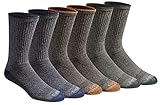
| Dickies Men’s Dri-Tech Crew Socks (6 Pairs) | Synthetic Bulk Value (Men) | $11.99 |
| Dickies Women’s Dri-Tech Mid-Crew Socks (6 Pairs) | Synthetic Bulk Value (Women) | $15.99 |
| Darn Tough Men’s Hiker Midweight Micro Crew (Lime) | Premium Trail Durability | $25.95 |
| innotree Women’s Merino Wool Socks (5 Pairs) | Multi-Pack Wool Value (Women) | $19.99 |
| innotree Men’s Merino Wool Socks (3 Pack) | Everyday Wool Cushioning (Men) | $19.99 |
| Darn Tough Vermont Men’s Midweight (Olive) | Classic High-Density Performance | $25.95 |
| MOGGEI Women’s Thick Merino Thermal Socks (5 Pairs) | Cold-Weather Cabin & Boots | $16.99 |
How We Picked
Our rating criteria focus on four primary characteristics essential to outdoor footwear: fiber composition, structural cushioning, seam construction, and overall cost-per-pair value. We prioritized options that utilize natural moisture-regulating merino wool or technical moisture-wicking synthetic fibers. Additionally, we analyzed long-term user feedback to verify elastic retention after repeated washes, resistance to heel thinning, and seamless toe box comfort under load.
The 8 Best Hiking Socks in 2026
Niorasen Merino Wool Hiking Crew Socks
This three-pair set is designed for day hikers seeking soft merino wool cushioning without paying high single-pair prices. The blend offers reasonable temperature control and moisture management for moderate trail conditions.
- Thick cushioning along the sole reduces impact on gravel trails.
- Seamless toe box design minimizes friction across the front of the foot.
- Lower wool density compared to top-tier technical brands.
Skip these if you require ultra-dense compression knitting for multi-week backpacking trips carrying heavy packs.
Dickies Men’s Dri-Tech Original Moisture Control Crew Socks
Targeted at trail enthusiasts and daily outdoor workers, this six-pair pack relies entirely on synthetic moisture-wicking channels to move sweat away from the foot quickly during high-exertion activities.
- Exceptional cost-per-pair value for a six-pack bundle.
- Dri-Tech moisture channels help feet dry rapidly in warm weather.
- Synthetic fibers retain body odors faster than natural wool blends.
Skip these if you prioritize natural odor resistance and soft wool comfort for multi-day backcountry journeys.
Dickies Women’s Dri-Tech Mid-Crew Advanced Moisture Wicking Socks
Designed specifically for women who prefer a slightly lower mid-crew height, these synthetic hiking socks feature integrated ventilation arch bands to maximize airflow inside day-hiking boots.
- Targeted arch compression provides supportive midfoot wrap.
- Mid-crew height prevents boot collar rubbing while remaining cooler than high crews.
- Material can feel stiffer on the skin compared to fine merino blends.
Skip these if you need heavy thermal warmth during late-season or winter mountain hikes.
Darn Tough Men’s Hiker Midweight Micro Crew Sock (Lime)
Engineered for dedicated trail runners and backpackers, this high-density micro crew utilizes fine-gauge merino wool for exceptional durability, precise fit, and zero-slip performance on steep terrain.
- Extremely high stitch density prevents slipping, bunching, and blisters.
- Unconditional lifetime warranty backing guarantees long-term durability.
- Higher single-pair investment compared to standard multipacks.
Skip these if you are shopping on a tight budget and need multiple pairs for basic casual walking.
innotree Merino Wool Hiking Socks for Women
This five-pair bundle suits female outdoor enthusiasts wanting extra footbed padding for cool-weather day hikes, camping trips, and everyday winter footwear use.
- Generous five-pair quantity provides excellent overall bundle value.
- Full-sole Terry cushioning offers cozy shock absorption underfoot.
- Slightly bulkier profile requires adequate room inside tight-fitting boots.
Skip these if you wear precision-fit Italian leather boots with limited interior volume.
innotree 3 Pack Men’s Merino Wool Hiking Socks
Aiming at general recreational users, this three-pack provides a soft merino wool blend paired with elastic arch support to hold the sock in place during weekend day hikes.
- Balanced midweight thickness works across spring, fall, and winter boots.
- Soft knit texture provides immediate out-of-the-package comfort.
- Elasticity near the upper cuff can stretch out faster over extended wear.
Skip these if you need maximum ankle compression and extreme durability for rugged bushwhacking.
Darn Tough Vermont Men’s Hiker Midweight Micro Crew Sock (Olive)
Built for minimalist hikers who prefer muted Earth tones, this Olive colorway provides the same legendary density, elastic arc support, and shrink-resistant merino wool performance as its brighter counterparts.
- Fine-gauge knitting delivers maximum long-term wear resistance.
- Naturally antimicrobial wool allows multi-day use without foul odors.
- Premium price tag for a single pair of socks.
Skip these if you prefer bright safety colors or need to outfit a full week of hiking on a strict budget.
MOGGEI Women’s Merino Wool Socks
Designed for cold-weather trails, cozy cabin stays, and heavy boot work, this five-pair set emphasizes thermal warmth, soft thick cushioning, and classic aesthetic color tones.
- Thick thermal knit holds warm air effectively in low temperatures.
- Pleasing earthy aesthetic makes them versatile for casual boot wear.
- Too warm and heavy for mid-summer day hikes.
Skip these if you are seeking lightweight, fast-drying socks for high-heat summer trekking.
Buying Guide
Material Composition: Merino Wool vs. Synthetics
The core material of your trail socks dictates how well your feet regulate temperature and handle moisture. Merino wool is prized in the outdoor industry for its natural thermoregulation and ability to trap odor-causing bacteria inside its complex fiber structure. It keeps feet comfortable across both hot and cold environments and continues to insulate even when damp. Synthetic blends—typically combining polyester, nylon, and elastane—dry noticeably faster than wool and often provide greater immediate abrasion resistance at lower price points. Choosing between them depends on whether you value natural odor control for multi-day trips or quick-drying bulk value for single-day outings.
Cushioning Density and Placement
Sock thickness is directly tied to shock absorption and boot fit. Midweight cushioning usually places high-density Terry loops underneath the heel and metatarsal pads to dampen the impact of downhills and rocky paths. High-density cushioning protects the lower leg from boot tongue pressure and ankle friction. However, extra padding increases overall sock volume. If your hiking footwear fits snugly, heavy thermal cushioning can squeeze your foot, restricted blood flow, and paradoxically cause colder toes. Match your sock cushion level to both the ambient temperature and the volume of your boots.
Fit, Elasticity, and Seam Construction
Blisters are primarily caused by friction and heat, which occur when loose fabric bunches up against the skin. Look for socks designed with elastic arch braces that hug the midfoot and keep the heel cup anchored in place. A flat or seamless toe box is equally critical; raised, thick seams across the top of the toes rub continuously against boot toe caps during long descents, creating painful hot spots. A snug, tailored fit eliminates excess movement and keeps skin irritation to a minimum over long distances.
Our Verdict
For uncompromised trail performance and long-term durability, the Darn Tough Men’s Hiker Midweight Micro Crew Sock stands out as the single best overall investment due to its ultra-dense knit and lifetime reliability. Budget-conscious hikers who need multiple pairs for casual day trips will find the Niorasen Merino Wool Hiking Crew Socks to offer the best initial value for wool blends. If you frequently hike in extremely hot conditions where rapid moisture evaporation is your top priority, the synthetic Dickies Men’s Dri-Tech Original Crew Socks win out for quick-drying performance.
FAQ
Why are wool hiking socks preferred over regular cotton socks?
Cotton fibers absorb perspiration and hold onto moisture, causing fabric to flatten, lose cushioning, and rub against skin to form blisters. Merino wool wicks moisture away from the skin and continues to provide warmth and padding even when damp.
What sock height is best for hiking boots?
Micro crew and full crew heights are ideal for traditional mid-cut hiking boots because they extend above the boot collar. This prevents the boot cuff from rubbing directly against your ankle skin and keeps trail debris out.
How do high-density knit socks prevent blisters?
High-density knits fit closely against the foot without excess material that can fold over or bunch up inside footwear. By locking onto the foot securely, friction occurs between the sock and the boot inner liner rather than between the sock and your skin.
How should I wash merino wool hiking socks to prolong their lifespan?
Wash wool socks inside out in cool water on a gentle cycle using mild detergent. Air drying them flat or tumbling dry on low heat prevents fiber breakdown and preserves elastic elasticity over time.