
Key takeaways
- Shop later in the day. Feet swell during activity, so try shoes when they are at their largest.
- Bring your hiking socks. Fit with the same thickness you will wear on the trail.
- Leave room at the toes. A thumb-width gap helps on descents. Heel lift should be minimal.
- Check width options. Many models come in regular and wide; the Merrell Moab Speed 2 earns mention for wide feet.
- Test on a slope. If your toes hit the front on a ramp, the shoe is too short.
- Break-in. Even easy shoes benefit from short walks before a long trip.
For most men, the Salomon X Ultra 5 GTX or the On Cloudrock Low Waterproof is the best hiking shoe to start with, the Merrell Moab 3 is the budget and comfort favorite, and the Hoka Anacapa 2 Low GTX or Altra Olympus 6 suits hikers who prioritize cushioning. If you carry a heavy pack or need ankle support, a mid-cut such as the Keen Targhee IV or Arc’teryx Kopec Mid is the better category. This guide compares those options and explains how to match a shoe to your terrain, foot shape and budget.
Our top picks


As an Amazon Associate we earn from qualifying purchases at no extra cost to you.
Hiking shoes, trail runners and boots
Hiking shoes are low-cut, lighter than boots and need little break-in. They suit day hikes, well-maintained trails and hikers with a light pack. Boots add ankle height, stiffer midsoles and often more durable uppers, which helps with heavy loads, rough or rocky ground and long trips. Trail runners are lighter still and dry faster, but have less structure. Many hikers choose by the load they carry and by how much foot protection they want from rocks.
At a glance
| Model | Best for | What reviewers report | Limits |
|---|---|---|---|
| Salomon X Ultra 5 GTX | Best all-around value among premium shoes | Top pick at Treeline Review; CleverHiker calls it the strongest all-around premium value | Narrower fit for some; waterproof liner runs warmer |
| On Cloudrock Low Waterproof | Comfort out of the box and technical grip | OutdoorGearLab’s overall favorite; Treeline names it best-looking | Premium tier |
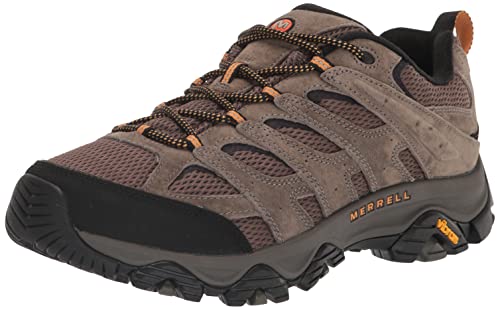
| Merrell Moab 3 | Budget and comfort | CleverHiker calls it the strongest traditional-hiker value | Heavier and less technical than newer designs |
| Hoka Anacapa 2 Low GTX | Cushioned trail comfort | OutdoorGearLab’s on-trail comfort pick | Softer platform on uneven ground |
| La Sportiva Akyra II | Best low-top for rough terrain | Backpacker’s best low-top | Firmer, performance fit |
| Salomon X Ultra 5 Mid GTX | Grippiest mid-cut | Backpacker’s grippiest pick | Mid-cut warmer in summer |
| Keen Targhee IV | Value boot | Backpacker’s best value | Heavier than low shoes |
| Arc’teryx Kopec Mid | Do-it-all boot | Backpacker’s favorite | Premium tier |
| Adidas Terrex Free Hiker 3 Ultra | Lightweight hiker | Top rated at Mountaineer Journey | Premium tier |
| Merrell Moab Speed 2 | Wide feet | Mountaineer Journey’s best for wide feet | Lighter, speed-oriented build |
| Altra Olympus 6 | Maximal cushioning | Mountaineer Journey’s most comfortable | Foot-shaped zero-drop design takes adjusting to |
Models are updated often, so when you shop, confirm the current version name, the maker’s stated weight and the width options on its page.
The picks in more detail
Salomon X Ultra 5 GTX: the broad recommendation
Treeline Review gives this shoe its best overall slot, and CleverHiker places it as the strongest all-around premium value. Reviewers highlight grip and stability on mixed trails. The Gore-Tex version keeps water out in wet conditions but breathes less than a non-waterproof shoe, so in hot dry climates a non-waterproof variant may be the better call. Backpacker also credits the mid-cut version as the grippiest in its list.
On Cloudrock Low Waterproof: comfort and style
OutdoorGearLab’s overall favorite is praised for comfort from the first wear and a grippy outsole on technical terrain, while Treeline Review calls it the best-looking hiking shoe. It is a premium-tier purchase, so it makes the most sense for people who hike often.
Merrell Moab 3: the budget standard
CleverHiker’s strongest value pick for traditional hikers, and the shoe many people try first. It is known for easy break-in. Compared with the newest designs it is generally heavier and less aggressive on technical rock.
Hoka and Altra: cushioning first
The Hoka Anacapa 2 Low GTX is OutdoorGearLab’s choice for on-trail comfort, and Mountaineer Journey calls the Altra Olympus 6 its most comfortable. Thick cushioning is easy on the feet over long distances, though a soft platform can feel less precise on loose or rocky ground. Altra shoes use a foot-shaped toe box and zero-drop construction, which some hikers love and others find takes time to adapt to.
Boots: Keen Targhee IV and Arc’teryx Kopec Mid
Backpacker names the Arc’teryx Kopec Mid its favorite do-it-all boot and the Keen Targhee IV its best value. Boots make sense if you carry a heavier pack, hike off-trail or want more protection around the ankle. A mid-cut does not prevent ankle injury, but it adds support for some hikers.
Specialty picks
The La Sportiva Akyra II is Backpacker’s best low-top, suited to hikers who want a firmer, more precise feel. The Adidas Terrex Free Hiker 3 Ultra led Mountaineer Journey’s list, and the Merrell Moab Speed 2 was its choice for wide feet.
Fit and sizing guidance
- Shop later in the day. Feet swell during activity, so try shoes when they are at their largest.
- Bring your hiking socks. Fit with the same thickness you will wear on the trail.
- Leave room at the toes. A thumb-width gap helps on descents. Heel lift should be minimal.
- Check width options. Many models come in regular and wide; the Merrell Moab Speed 2 earns mention for wide feet.
- Test on a slope. If your toes hit the front on a ramp, the shoe is too short.
- Break-in. Even easy shoes benefit from short walks before a long trip.
Waterproof or breathable
Waterproof liners such as Gore-Tex help in rain, snow and stream splashes, but they hold in heat and are slower to dry once water gets inside from above. For hot climates and creek crossings, many hikers prefer non-waterproof shoes that drain and dry quickly. For cool, wet regions, waterproof makes sense.
Care
- Brush off mud, rinse with water and let shoes dry at room temperature, away from direct heat.
- Replace insoles that have flattened.
- Follow the maker’s instructions on waterproofing treatments, since some can affect breathable membranes.
- Replace the shoes when midsole cushioning feels dead or the outsole lugs wear down.
Pick X if…
| If you… | Choose |
|---|---|
| Want a single dependable shoe for most trails | Salomon X Ultra 5 GTX |
| Want comfort straight from the box and are fine with premium cost | On Cloudrock Low Waterproof |
| Are on a budget | Merrell Moab 3 |
| Walk long distances and want soft cushioning | Hoka Anacapa 2 Low GTX or Altra Olympus 6 |
| Carry a heavy pack | Keen Targhee IV or Arc’teryx Kopec Mid |
| Have wide feet | Merrell Moab Speed 2 |
| Want a low-top for rocky terrain | La Sportiva Akyra II |
Budget tiers
- Budget: Merrell Moab 3 and similar traditional hikers.
- Mid-range: Keen Targhee IV, Salomon X Ultra 5.
- Premium: On Cloudrock, Arc’teryx Kopec Mid, Adidas Terrex Free Hiker 3 Ultra.
Alternatives
- Trail runners. Lighter and faster-drying; less underfoot protection.
- Approach shoes. Sticky rubber and precise toes for scrambling.
- Heavy leather boots. For long backpacking trips with heavy loads and rough ground.
Matching a shoe to the terrain
- Groomed trails and light day hikes: A cushioned low shoe such as the Hoka Anacapa 2 Low GTX or the Altra Olympus 6 is comfortable over distance.
- Rocky or technical trails: Look for sticky rubber and a firm midsole, as in the On Cloudrock or La Sportiva Akyra II, according to reviewers.
- Wet, muddy or cool conditions: A waterproof model like the Salomon X Ultra 5 GTX keeps splashes out, though it will be warmer.
- Hot weather and stream crossings: A non-waterproof shoe dries faster. Several makers sell both versions of the same model.
- Heavy loads or off-trail travel: Step up to a mid-cut boot with a stiffer sole.
Materials and construction terms
Uppers are typically synthetic mesh, leather or a blend. Synthetic mesh dries faster and weighs less; leather tends to be more durable and abrasion resistant but heavier and slower to dry. Midsole foam affects cushioning and how the shoe feels after many miles. The outsole is the rubber tread; deeper lugs help in mud, while shallower lugs give better contact on slick rock. A rock plate, if the maker lists one, is a thin stiff layer that spreads the pressure from sharp stones. Makers also publish a stated weight, usually for a single shoe in a stated size, so compare like with like.
Socks, insoles and lacing
Merino or synthetic hiking socks wick moisture better than cotton, which holds sweat and increases blister risk. If a shoe feels slightly loose, a heel-lock lacing pattern can reduce slipping. Aftermarket insoles can improve fit for people with unusual arches, but a foot or sports medicine professional is the best source of advice on persistent pain or foot problems.
Frequently Asked Questions
Are hiking shoes enough, or do I need boots?
For day hikes and light packs, hiking shoes are enough for many people. Boots help with heavy loads, rough terrain and ankle support. If you have a history of ankle injuries, talk to a clinician or a boot fitter.
Should I buy waterproof hiking shoes?
If you hike in wet, cool conditions, yes. In hot, dry weather, a breathable non-waterproof shoe is often more comfortable. Waterproof shoes dry slowly once soaked.
How should hiking shoes fit?
Snug through the heel and midfoot with room for the toes to spread and a small gap in front. Try them with hiking socks, late in the day, and walk on an incline.
How long do hiking shoes last?
It depends on terrain, weight and care. Replace them when the cushioning feels flat, the tread is worn or the upper separates.
Do I need to break in new hiking shoes?
Most modern shoes need little, but short walks before a long hike help. Reviewers describe the On Cloudrock as comfortable out of the box.
What is the best hiking shoe for wide feet?
Mountaineer Journey names the Merrell Moab Speed 2 for wide feet, and Altra’s shape suits many wide-footed hikers. Look for wide sizing options on the maker’s page.





