Key takeaways
- Lowest price of any bed listed, with certified recycled material.
- Oval shape distributes soil pressure evenly, reducing panel bowing.
- Single bed only, so expanding coverage requires buying multiples.
What's inside
Raised flower beds solve a problem that in-ground gardeners face every season: compacted soil, poor drainage, and weeds creeping in from all sides. By confining your growing medium to a defined frame, you control the soil mix, raise the root zone above waterlogged ground, and make it far easier to protect seedlings from slugs and rabbits. For anyone with a patio, a rocky lot, or simply a short growing season, elevated beds can mean the difference between a hobby and a harvest.
Not every bed on the market earns that promise, though. Thin galvanized panels buckle when you fill them with damp soil, shallow trays dry out within hours, and overly complex assembly can discourage you before a single seedling touches dirt. The best raised flower beds balance structural depth, corrosion-resistant materials, and straightforward construction at a price that lets you start small and expand later. This roundup compares eight options against published specs, listed prices, and the patterns that show up in owner reviews.
As an Amazon Associate we earn from qualifying purchases at no extra cost to you. Product prices and availability are accurate as of the date shown and are subject to change.





Quick Picks
| Product | Best for | Price |
|---|---|---|
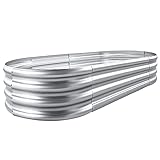
| Rakukiri Oval Planter Box | Single-bed starter on a tight budget | $16.99 |
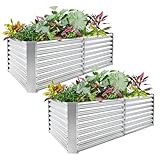
| Land Guard 6x3x2 (2 Pack) | Deep-root vegetables at volume | $69.99 |
| Tegarbed 4x2x1 (2 Pack) | Small-space herb and flower growing | $49.99 |
| Meberam 6x3x1 (2 Pack) | Balanced value in a wide footprint | $32.99 |
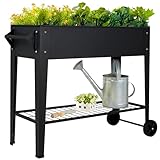
| LEETOLLA Elevate with Wheels | Back-friendly gardening on hard surfaces | $59.84 |
| Land Guard Oval Kit | Curved aesthetics in a narrow space | $19.99 |
| SnugNiture with Legs (2 Pack) | Patio or deck use without bending | $69.99 |
| JERIA 4x2x1 (2 Pack) | Fast assembly for beginners | $32.99 |
How We Picked
We narrowed this list on four criteria. First, panel material and coating: all eight use galvanized steel, so we compared gauge thickness and edge treatment to judge long-term rust resistance. Second, usable soil depth: a bed one foot tall suits lettuce and herbs, while root crops like carrots need the extra volume of a two-foot frame. Third, assembly effort, drawn from owner reports about tool requirements and time from box to filled bed. Fourth, cost per square foot of growing surface, which reveals whether a two-pack deal truly outpaces a single larger unit.
The 8 Best Raised Flower Beds in 2026
Rakukiri Oval Planter Box
At under seventeen dollars, this five-foot oval bed is the cheapest entry point on the list, and its GRS certification confirms the steel is recycled stock. Owners note it holds its shape well for a single-season trial, and the oval profile fits neatly along a fence line or driveway edge. The rot-resistant coating means no wooden liner to replace, and the compact footprint works on gravel or pavers.
- Lowest price of any bed listed, with certified recycled material.
- Oval shape distributes soil pressure evenly, reducing panel bowing.
- Single bed only, so expanding coverage requires buying multiples.
Skip this one if you plan to grow carrots, beets, or any crop with a taproot deeper than six inches; the oval rim height limits soil volume in ways a rectangular bed does not.
Land Guard 6x3x2 (2 Pack)
Two full-size beds at two feet deep for under seventy dollars is the standout value proposition here. The six-by-three footprint gives each bed eighteen square feet of growing area, enough for a staggered row of tomatoes plus companion herbs in a single unit. Owners frequently mention the depth as the primary selling point, since it eliminates the root-binding frustration common in shallower metal trays. The steel panels interlock without visible tools on most flat surfaces.
- Two-foot depth accommodates long-rooted vegetables without liner tricks.
- Eighteen square feet of surface per bed reduces the number of units needed.
- Heavier shipping and assembly effort than lighter one-foot alternatives.
If your site has severe drainage issues, the extra soil volume means more weight on the ground below; check that surface stability before committing.
Tegarbed 4x2x1 (2 Pack)
These four-by-two-foot, one-foot-deep boxes are sized for patios, balcony corners, and the strips of bare ground between walkways. The oval interior profile prevents the sharp corners where soil tends to dry out first, and the bottomless design lets excess water drain freely into the substrate below. At fifty dollars for two, the cost-per-bed sits between the cheapest single and the mid-range multi-packs.
- Compact footprint fits spaces where a six-foot rectangle would dominate.
- Bottomless drainage eliminates the need for drilled holes or gravel layers.
- One foot of depth restricts you to shallow-rooted greens and ornamentals.
Pass on these if your goal is a serious vegetable harvest; the growing volume simply cannot support more than one season of heavy feeders.
Meberam 6x3x1 (2 Pack)
This pair gives you the wide six-by-three surface at one foot of depth, hitting a price point that makes it competitive with single-bed options from other brands. The galvanized panels are described by owners as thinner than the deeper Land Guard version, which cuts cost but demands careful filling to avoid panel flex. For salad greens, radishes, and flower annuals that root in the top eight inches, the depth is perfectly adequate.
- Generous surface area per dollar for dense planting of shallow crops.
- Two-bed layout encourages crop rotation without buying additional kits.
- Panel flex under heavy wet soil is a recurring owner complaint.
If your soil stays soggy after rain, the one-foot depth means roots hit compacted ground faster than in a deeper bed.
LEETOLLA Elevate with Wheels
Thirty-two inches of height plus a wheeled base puts this bed in a different category from every other option listed. You roll it to the sun, park it on the deck, and tend plants standing upright rather than crouching. Owner feedback highlights the convenience for gardeners with mobility limitations and the built-in drainage tray that keeps soil from spilling on hard floors.
- Height eliminates back strain during planting, weeding, and harvesting.
- Mobility lets you chase light or shelter plants during storms.
- Limited soil volume compared to the ground-level rectangular beds.
For anyone with a large yard and no joint issues, the extra cost buys little that a stationary deep bed cannot.
Land Guard Oval Kit
At twenty dollars, this oval planter is the direct sibling to the Rakukiri option but with a visibly larger growing surface and Land Guard’s brand reputation for consistent panel quality. The curved profile suits formal garden layouts where a rectangular box would look utilitarian. Owners report straightforward assembly with no special fasteners, and the galvanization holds up through a full wet season without rust spotting at the seams.
- Price-to-coverage ratio outperforms many square beds in the same bracket.
- Oval design suits decorative planting for a softer garden line.
- Shallow rim depth limits the range of viable plant types.
If you want to grow potatoes or anything with a deep tuber, the shallow profile will frustrate you by mid-summer.
SnugNiture with Legs (2 Pack)
Two elevated beds with integrated legs raise your growing zone to waist height without requiring you to bolt anything to a deck rail or build a stand. The forty-eight-inch width splits into two manageable planting zones, and the brown finish blends into a patio setting better than the silver galvanized options above. Owners praise the leg design for uneven ground, since each post adjusts independently.
- Self-supporting legs work on sloped patios where a flat-bottom bed rocks.
- Waist height makes maintenance accessible for tall or short gardeners alike.
- At seventy dollars for two, the per-bed cost exceeds shallow alternatives.
If you plan to move the beds frequently, the legs add bulk and weight that the wheeled LEETOLLA option handles more gracefully.
JERIA 4x2x1 (2 Pack)
These compact boxes target the same small-space niche as the Tegarbed pair but at a noticeably lower price. Assembly is the headline feature: owners consistently report snapping panels together in under ten minutes with no tools, which matters if you are setting up at a community garden plot before the gate locks. The four-by-two footprint tucks between fence panels without crowding the walkway.
- Tool-free assembly makes it the fastest bed on this list to deploy.
- Under thirty-five dollars for two covers a beginner trial without risk.
- Panel joints can loosen over a full freeze-thaw cycle in cold climates.
For year-round outdoor use in regions with hard winters, the joint flexibility may shorten the bed’s structural life compared to riveted alternatives.
Buying Guide
Match Depth to Your Crop List
Root crops like carrots, parsnips, and beets need a minimum of twelve inches of loose medium; anything shallower forces them to branch or curl against the bed floor. Lettuce, spinach, and most annual flowers thrive in six to eight inches. If you want flexibility across seasons, a two-foot-deep bed like the Land Guard 6x3x2 lets you grow potatoes one year and switch to shallow herbs the next without rebuilding.
Evaluate Panel Gauge and Edge Finish
Galvanized steel resists rust, but thin panels bow when filled with damp soil, creating gaps where weeds seed. Look for products described as heavy-duty or thick-gauge in specs, and check owner reports for seam separation after one season. Rolled or folded edges are a strong indicator of durability; sharp-cut edges invite corrosion and are a tripping hazard during assembly.
Bottomless Design vs. Drainage Strategy
A bottomless bed drains naturally into the ground below, which simplifies watering but exposes roots to gophers, moles, and tree feeder roots. Beds with integrated trays or legs let you add a gravel layer for controlled drainage but require manual hole-punching if the factory did not pre-drill. On hard surfaces like concrete patios, the tray design prevents staining and makes cleanup straightforward.
Our Verdict
The top pick is the Land Guard 6x3x2 two-pack: at two feet of depth and thirty-six square feet of combined surface, it handles the widest range of crops and gives you room to experiment without rebuilding next spring. For the tightest budget, the Rakukiri Oval at under seventeen dollars offers a credible first bed with certified recycled steel and a shape that resists panel stress. If mobility matters more than depth, the LEETOLLA Elevate with Wheels wins outright; no other bed on this list lets a wheelchair user or someone with limited knee function tend plants at a comfortable standing height.
FAQ
Do metal raised flower beds get too hot in summer?
Galvanized steel does absorb heat, but soil acts as a buffer; the outer panel stays warm while the root zone several inches in remains stable. In climates with sustained temperatures above ninety-five degrees, a shade cloth or mulch layer on the soil surface keeps the difference negligible for most vegetables and flowers.
Can I use these beds on a concrete patio?
Yes, provided you choose a model with an integrated tray or legs, or place a waterproof liner underneath to protect the surface from mineral staining. Bottomless beds on concrete will leach rust-colored runoff until the galvanized coating stabilizes after a few watering cycles.
How much soil do I need for a six-by-three-foot bed?
A six-by-three-foot bed at one foot of depth holds roughly eighteen cubic feet of soil, or about sixty-five forty-pound bags. At two feet, that doubles. Buying in bulk from a local landscape supplier is usually cheaper per cubic foot than bagged mix and lets you blend your own compost ratio.
Will galvanized beds rust before the growing season ends?
Quality galvanization resists surface rust for several years under normal moisture. Owner reports of early spotting typically involve beds with unprotected cut edges or panels stacked in standing water over winter. A coat of outdoor metal paint on any exposed seams at setup adds insurance for pennies.