
Key takeaways
What's inside
When a Backpacking Water Filter Is Essential
A backpacking water filter is one of the most critical pieces of safety equipment for any trail trip that relies on natural water sources. Streams, lakes, and springs can harbor bacteria such as Giardia and Cryptosporidium, protozoan parasites, and sediment that can cause serious illness regardless of how clear the water appears. If your route includes resupply from untreated backcountry water, a filter or purification method is not optional—it is a necessity. Even in alpine environments above tree line, where water may look pristine, livestock grazing areas upstream can introduce biological contaminants into otherwise clean flows.
Day hikers on well-maintained trails with reliable potable water sources at trailheads may not need a filter at all. But for multi-day trips, route-finding in remote areas, or travel through regions where waterborne pathogens are common, carrying some form of water treatment is among the top recommendations from wilderness medicine experts.
As an Amazon Associate we earn from qualifying purchases at no extra cost to you. Product prices and availability are accurate as of the date shown and are subject to change.


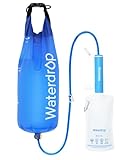


Types of Water Treatment and How to Choose
Backpacking water treatment falls into three main categories: filters, purifiers, and chemical treatments. Filters remove bacteria and protozoa through a physical membrane barrier, typically with pore sizes around 0.1 to 0.2 microns. Purifiers use finer filtration or added chemical treatment to also eliminate viruses, which are rare in most North American backcountry settings but common in tropical and developing regions.
Chemical treatments include iodine tablets and chlorine dioxide drops. These are ultralight and inexpensive but require waiting periods of 30 minutes to four hours depending on the product and water temperature, and they can impart an unpleasant taste. For most US and European backcountry use, a standard filter handles the primary biological threats without the wait time or flavor issues of chemicals.
UV purifiers are a fourth option that uses ultraviolet light to neutralize pathogens. They are fast and effective but depend on battery life and cannot work in turbid or sediment-heavy water without pre-filtering.
Key Features to Evaluate Before Buying
Flow rate is the most practical factor for most backpackers. A slow filter means long breaks at every water source, which adds up over a multi-day trip. Look for models that deliver at least one liter per minute under normal conditions. Weight matters for ultralight hikers, where every gram counts toward your base weight. Some filters add less than two ounces, while pump models with accessories can exceed a pound.
Maintenance requirements vary significantly by design. Hollow-fiber filters need backflushing to remove trapped sediment and maintain flow over time. Pump filters have moving parts that can wear out or freeze and crack in winter conditions. Squeeze and gravity systems are generally simpler to maintain but may clog faster in silty water unless you pre-filter through a bandana or cloth.
Consider the water sources you will encounter most often. If your route includes murky, tannin-stained, or sediment-heavy streams, prioritize a system with replaceable pre-filters or a design tolerant of dirty input water.
Making the Final Decision
The answer to whether you need a backpacking water filter depends entirely on your trip profile. For any overnight or longer trip where you will drink from natural water, yes—you need at least some form of treatment. Choose a filter if your primary concern is bacteria and protozoa in clear mountain water. Choose a purifier if traveling internationally or to regions where viral contamination is realistic. Choose chemical treatment as a lightweight backup or for emergency kits.
A reliable water treatment system is not luxury gear. It is a direct safeguard against gastrointestinal illness that can debilitate you far from help. Budget accordingly, maintain your system after every trip, and carry a small backup method as insurance against failure on the trail.




Write Your Review
No reviews yet. Be the first to share your experience!