
The best rain poncho depends on whether you want a raincoat that also covers your pack, a multi-use shelter, or a cheap backup: the Sea to Summit Ultra-Sil Nano Tarp Poncho is the top choice for ultralight backpackers who want a poncho that doubles as a tarp, the tougher Sea to Summit Nylon Tarp-Poncho suits sustained downpours, and the Frogg Toggs Ultra-Lite2 Poncho is the budget pick for day hikes and emergency kits. For festivals and theme parks, a disposable raincoat is all most people need.
Our top picks
 ANYOO Hooded Rain Poncho for Adult Waterproof
- Waterproof & Sturdy Material: Made of 210T ripstop…
- Breathable & Comfortable: Loose arm holes and bottom…
- Lightweight & Easy to Carry: This unisex hooded…
 FROGG TOGGS Ultra-Lite2 Reusable Waterproof Breathable Poncho
- 100% waterproof, seam taped, lightweight and durable non…
- the Ultra Lite 2 Poncho stays comfortable
- easy pull on, deep hood with adjustable cord…
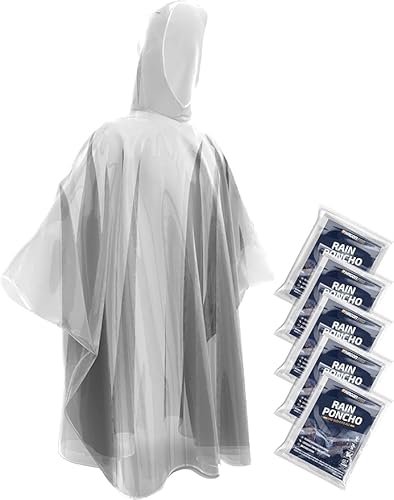 Hagon PRO Disposable Rain Ponchos for Adults
- Reliable Rain Protection On-the-Go: Stay dry and confident…
- Compact, Travel-Friendly Design: Hagon PRO poncho folds into…
- Comfortable Fit for All Adults: Designed with a…
| Product | Key specs | |
|---|---|---|
| ANYOO Hooded Rain Poncho for Adult Waterproof | Waterproof & Sturdy Material: Made of 210T ripstop… Breathable & Comfortable: Loose arm holes and bottom… Lightweight & Easy to Carry: This unisex hooded… | Check price |
| FROGG TOGGS Ultra-Lite2 Reusable Waterproof Breathable Poncho | 100% waterproof, seam taped, lightweight and durable non… the Ultra Lite 2 Poncho stays comfortable easy pull on, deep hood with adjustable cord… | Check price |
| Hagon PRO Disposable Rain Ponchos for Adults | Reliable Rain Protection On-the-Go: Stay dry and confident… Compact, Travel-Friendly Design: Hagon PRO poncho folds into… Comfortable Fit for All Adults: Designed with a… | Check price |
 Borogo 2 Pack Rain Ponchos for Adults | Best Quality - Our raincoats are made of… Reusable - This raincoat is reusable Lightweight - The raincoats is easy to carry,… | Check price |
 Cosowe Rain Ponchos for Adults Reusable | Check price |
As an Amazon Associate we earn from qualifying purchases at no extra cost to you.
Why choose a poncho over a rain jacket?
A poncho raincoat drapes over you and your backpack, so you get one layer protecting both. Air flows in from below, which means far less sweat build-up than a zipped jacket on a warm, humid climb. Many backpacking ponchos also convert into a ground sheet or a small emergency tarp, which saves weight on long trips.
The downsides are real, though. Ponchos flap and blow around in wind, they snag on brush, they leave your lower legs exposed, and they make it hard to see your feet on rocky ground. If you hike exposed ridges in windy weather, a jacket and rain pants are the safer choice.
Rain ponchos compared
| Poncho | Weight | Size / coverage | Waterproof rating | Extra uses | Typical price range |
|---|---|---|---|---|---|
| Sea to Summit Ultra-Sil Nano Tarp Poncho | About 6.5–8.1 oz (185–230 g) | 57 x 104 in; covers a pack | 1,200 mm (15D silnylon) | Pack cover, groundsheet, tarp shelter | $65–$135 |
| Sea to Summit Ultra-Sil Nano Poncho (non-tarp) | About 5 oz (145 g) | Fitted poncho, packs to 2.5 x 5.25 in | Silnylon | Rain wear only | $60–$90 |
| Sea to Summit Nylon Tarp-Poncho | About 14 oz (400 g) | Pack-covering, tarp sized | 2,000 mm | Pack cover, groundsheet, tarp | $70–$110 |
| Frogg Toggs Ultra-Lite2 Poncho | About 9 oz (255 g) | 76 x 54 in, adjustable hood | Non-woven polypropylene, waterproof | None | $13–$28 |
| Disposable raincoat (PE plastic) | 1–3 oz | Loose, one size | Waterproof until it tears | None | $1–$3 each in multi-packs |
Picks by use
Best for ultralight backpacking: Sea to Summit Ultra-Sil Nano Tarp Poncho
This is the poncho long-distance hikers reach for when every ounce counts. At roughly 8 ounces in 15-denier silicone-coated nylon, it works as rain wear, a pack cover, a ground sheet under your sleeping pad, and a minimalist shelter pitched with trekking poles. Two caveats: the 1,200 mm rating is fine for a shelter but lower than you would want for hours of heavy rain against your body, and the thin fabric tears more easily than heavier ponchos. Sea to Summit itself notes tarp ponchos are not designed for very windy conditions.
Best for long, wet days: Sea to Summit Nylon Tarp-Poncho
At about 14 ounces, the nylon version weighs nearly twice as much but its 2,000 mm rating and tougher fabric handle real downpours and rough handling better. It is a good fit for hikers in wet climates who still want the shelter option.
Best budget packable rain poncho: Frogg Toggs Ultra-Lite2
For around the price of lunch, the Frogg Toggs poncho gives full-length coverage, an adjustable hood, and breathable non-woven fabric. It does not convert into anything and it will not survive much brush, but as a packable rain poncho for day hikes, car kits, and kids’ sports, it is an easy buy.
Best for festivals and theme parks: disposable raincoat
Thin polyethylene ponchos cost a dollar or two each in multi-packs and fold to the size of a deck of cards. They are waterproof until they rip, which usually happens within a day. Reuse them if you can and dispose of them responsibly; for regular use, a reusable poncho pays for itself after a few outings.
Poncho vs. rain cape vs. rain jacket
| Poncho | Rain cape (cycling) | Rain jacket | |
|---|---|---|---|
| Covers backpack | Yes | Partly | No |
| Ventilation | Excellent | Excellent | Fair to good |
| Wind performance | Poor | Fair (thumb loops hold it) | Good |
| Typical weight | 5–14 oz | 8–16 oz | 6–16 oz |
| Best for | Warm, wet hiking, shelter use | Upright city bikes | Wind, cold, technical terrain |
A rain cape is a cycling-specific poncho cut with thumb loops and a waist strap so the front drapes over the handlebars and keeps your legs dry. It works on upright city bikes in light winds; on a road bike it acts like a sail.
How to choose: the checklist
- Length: it should reach at least your knees with your pack on. Measure from the base of your neck over the pack to the knee.
- Hood: look for a drawcord or a stiffened brim so you can turn your head without looking into the hood lining.
- Snaps along the sides: side snaps form loose sleeves and stop the poncho flapping open.
- Grommets and tie-outs: required if you want to pitch it as a tarp.
- Fabric: silnylon is light and slippery; heavier nylon and PU-coated polyester are tougher; non-woven polypropylene breathes but tears; PE plastic is single-trip only.
Using a poncho well
- Put it on before you get wet. Pulling a poncho over a soaked pack in a downpour wastes the point.
- Belt it in wind. A light cord or your pack’s hip belt worn over the poncho keeps it from billowing.
- Pair it with rain chaps or pants if you are walking through wet grass or long rain, since water runs off the hem onto your shins.
- Dry it pitched. At camp, hang it as a mini tarp so it dries and gives you a dry spot to cook.
FAQ
Are ponchos good for backpacking?
In warm, humid, low-wind conditions, yes; many hikers prefer them because they breathe and cover the pack. In cold, windy mountains, a jacket and pants are safer.
Can I really sleep under a tarp poncho?
Yes, in sheltered spots with modest weather. It is a minimalist shelter, so pitch it low, pick a site out of the wind, and remember you lose your rain gear while it is pitched.





