
Key takeaways
- Turn off the breaker and confirm power is off with a tester before touching wires.
- Use weatherproof boxes, gaskets and caulk around the fixture, as instructed.
- Match the fixture to the circuit and follow the manual. If wiring is unfamiliar, hire a licensed electrician.
- Do not use indoor-only fixtures outdoors.
- Check the bulb wattage limit if the fixture takes replaceable bulbs.
- Consider placement height to avoid glare and tampering.
For most homes, a wet-rated LED wall lantern with a dusk-to-dawn sensor is the best outdoor wall light, a smart option such as the Govee outdoor wall light or Philips Hue Econic suits buyers who want color and app control, and solar models suit spots where wiring is difficult. The right pick depends on style, brightness, weather rating, how it is powered and whether you want motion or smart features.
Our top picks
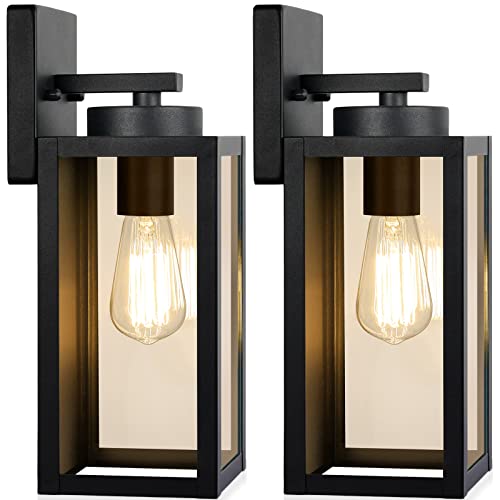


As an Amazon Associate we earn from qualifying purchases at no extra cost to you.
Outdoor Wall Lights at a Glance
| Light | Type | Best for | Key notes from reviewers or makers | Limits |
|---|---|---|---|---|
| Govee outdoor wall lights | Smart, RGBIC | Color and app control | Bob Vila named a Govee model best overall; Smart Home Explorer cites about 2,000 lumens and 72-zone RGBIC control | Needs Wi-Fi; effects may be unnecessary for plain porches |
| Philips Hue Econic | Smart | A refined smart look in a Hue ecosystem | Bob Vila picks it as best smart | Costly compared with plain lights |
| Design House Jelly Jar | Traditional | Best value classic look | Bob Vila lists it as best value | Simple features |
| Globe Electric Hurley | Designer | Style-focused entries | Bob Vila lists it as best design | Limited smart features |
| MAXvolador wall lantern | Traditional lantern | Affordable classic style | ThirstyBear lists it as best value traditional | Lesser-known brand |
| BesLowe two-pack | Modern sconce pair | Matching pairs on a budget | Eye and Pen rates it well for value | Check finish and rating |
| HMCITY and SOTTLOT solar lights | Solar motion or up-down | Places without wiring | Gardenitemreviews cites IP65 on the HMCITY | Output depends on sun and battery |
| Aipsun and DAKAFUL up-down lights | Mains LED | Wall-wash effects on facades | One reviewer advises at least IP65 | Installation needs wiring |
What to Look For
Weather rating
Look for a damp or wet location rating for lights exposed to rain, and consider an IP65 rating or higher on up-down lights, as one reviewer advises. A damp rating suits covered porches; a wet rating suits exposed walls. The rating should come from the maker’s specifications.
Brightness
Brightness is listed in lumens. Entry lights usually need moderate output, while security lights need more. Too much glare can annoy neighbors and wash out the porch, so match output to the purpose.
Color temperature
Warm white around 2700K to 3000K feels welcoming. Cooler white is brighter and appears more clinical. Smart lights add color choices.
Shielding and direction
Down-facing or shielded fixtures reduce glare and light pollution. Up-down lights add accents on walls but may spill light upward.
Sensors
Dusk-to-dawn sensors save effort. Motion sensors add convenience and light only when needed, but check sensitivity so passing cars or pets do not trigger them constantly.
Materials and finish
Aluminum, brass and powder-coated finishes resist weather better than plain steel. Coastal homes benefit from corrosion-resistant materials.
Power Options
Hardwired
Mains-powered fixtures are the most reliable and brightest. Installation involves household wiring, so turn off power at the breaker and use a qualified electrician if you are not experienced. Local code may require licensed work or inspection.
Solar
Solar lights remove the need for wiring, so they suit sheds, fences and walls far from outlets. Output depends on sunlight and battery condition, so they can dim in winter or shade. Reviewers generally rank them below wired lights for brightness.
Plug-in and battery
Plug-in lights suit renters, but cords must be rated for outdoor use. Battery models need periodic recharging or replacement.
Budget Tiers
Budget
The Design House Jelly Jar, MAXvolador and BesLowe pairs cover traditional or modern looks with simple features. They suit renters and basic upgrades.
Mid-range
Smart lights like the Govee models and quality sconces sit here, with app control and better finishes.
Premium
Designer sconces and the Philips Hue Econic offer upscale finishes or ecosystem integration. Some roundups also feature luxury sconces from home design retailers.
Installation and Safety Notes
- Turn off the breaker and confirm power is off with a tester before touching wires.
- Use weatherproof boxes, gaskets and caulk around the fixture, as instructed.
- Match the fixture to the circuit and follow the manual. If wiring is unfamiliar, hire a licensed electrician.
- Do not use indoor-only fixtures outdoors.
- Check the bulb wattage limit if the fixture takes replaceable bulbs.
- Consider placement height to avoid glare and tampering.
Pick X If You Want This
| Pick this | If you want |
|---|---|
| Govee smart wall light | Color effects and app scenes |
| Philips Hue Econic | A smart light that suits the Hue ecosystem |
| Design House Jelly Jar | A budget classic look |
| Globe Electric Hurley | A design-first entry light |
| BesLowe two-pack | Matching sconces either side of a door |
| HMCITY or SOTTLOT solar | Light where wiring is impossible |
| Aipsun or DAKAFUL up-down | Accent lighting on walls and pillars |
Care and Maintenance
- Wipe lenses periodically with a damp cloth to maintain brightness.
- Clean solar panels, since dust and leaves reduce charging.
- Check seals and screws each season.
- Replace rechargeable batteries when runtimes drop.
- Update smart light firmware as the app advises.
Alternatives
- Flood and security lights. Brighter beams for yards.
- Post and pathway lights. Lower glare for walkways.
- String lights. Better for patios than for entries.
- Recessed soffit lights. Flush lights under eaves, usually installed by a professional.
Choosing by Location
Front door and entry
A pair of matching lanterns or sconces either side of the door looks balanced and lights the keyhole and steps. Choose warm white and moderate brightness so guests are not dazzled. Pick a size in proportion to the door, since a tiny fixture on a wide door looks lost while an oversized one overwhelms a narrow entry.
Garage and side doors
These areas benefit from brighter, motion-activated lighting for safety. A shielded fixture that points light downward limits glare and keeps light on your own property. Place lights high enough to resist tampering but low enough to be serviced safely.
Patios, decks and facades
Up-down lights and wall-wash fixtures add depth to textured walls and columns. Smart lights with color control suit entertaining areas and seasonal decorating. Because these fixtures are often installed in groups, plan the layout so the beams do not overlap harshly or shine into neighbors’ windows.
Coastal and harsh climates
Salt air, heavy rain and strong sun all age fixtures quickly. Look for corrosion-resistant finishes, sealed housings and gaskets. In cold climates, check that the maker states the fixture works at low temperatures, especially for smart or battery-powered lights.
Renters and temporary setups
Solar and plug-in lights avoid altering wiring, which suits rentals. Choose models that mount according to the maker’s instructions, and bring them with you when you move.
Matching your home’s style
Traditional lanterns suit colonial and cottage designs, simple black cylinders suit modern homes, and linear LED bars suit contemporary exteriors. Aim to match the metal finish to door hardware and house numbers for a cohesive look.
Common Mistakes to Avoid
- Buying by looks alone. A fixture with no stated damp or wet rating may fail in rain.
- Ignoring scale. Lights that are too small look lost, and ones that are too large dominate the wall.
- Mounting too high or too low. A common guideline is to place fixtures around eye level beside doors, but follow the maker’s instructions and local code.
- Too much glare. Unshielded bright bulbs shine into eyes and into neighbors’ windows. Shielded or frosted fixtures soften the effect.
- Mixing color temperatures. Fixtures with different white tones next to each other look uneven. Keep them consistent along one facade.
- Forgetting dimming and controls. If you want dimming or schedules, confirm the fixture or bulb supports it before installation.
- Skipping sealing. Gaps around the mounting plate let water into the box. Use the supplied gasket and exterior-rated sealant as the instructions describe.
Frequently Asked Questions
What does IP65 mean for an outdoor light?
It indicates the fixture is dust-tight and resists water jets under standard tests. One reviewer advises at least IP65 for exterior down lights. Check the maker’s rating.
Should I choose warm or cool white light?
Warm white around 2700K to 3000K suits entrances and patios. Cooler white suits security or work areas. Smart lights can switch between them.
Are solar wall lights bright enough?
They are fine for accents and light security, but they are usually dimmer than wired fixtures. Performance drops with shade or short winter days. For main entries, wired lights are more reliable.
Can I install an outdoor wall light myself?
Swapping a like-for-like fixture is a common DIY task if you switch off the breaker and follow the manual. New wiring or unfamiliar setups should be handled by a licensed electrician. Local code may apply.
How many lumens do I need?
Entry lights often need a modest amount, while security lights need more. Maker specifications list lumens, such as about 2,000 on a bright smart model. Balance brightness against glare for neighbors.
Do smart outdoor lights need Wi-Fi?
Most need a Wi-Fi or Bluetooth connection for app features. Check signal strength at the install spot. Many still work as normal lights if the connection drops.





