
The best snow boots depend on whether you need warmth for standing still, grip for walking on packed ice, or a tall waterproof design for moving through deep powder: choose insulated boots with a removable liner for extreme cold, a low-temperature rubber outsole for mixed conditions, and a shaft tall enough to keep snow out.
For a dependable all-rounder, start with the Sorel Caribou or Kamik Nation Plus; for very cold, mostly stationary use, consider the Baffin Impact; and for wet snow, slush, and long periods outdoors, the Muck Arctic Sport is a practical choice. These models suit different problems, so the warmest label alone should not decide the purchase.
Our top picks
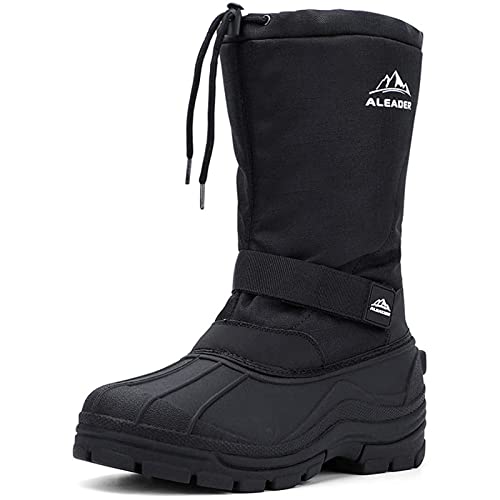 ALEADER Winter Boots for Men
- Cushioned footbed for supportive comfort
- Easy pull on with both a drawstring and…
- Seam-sealed, waterproof outsole keeps feet dry in wet…
 HOBIBEAR Women's Waterproof Winter Snow Boots Lightweight
- Stay dry in any weather with these waterproof…
- It features a soft faux fur collar, excellent…
- Walk with confidence on slippery surfaces with these…
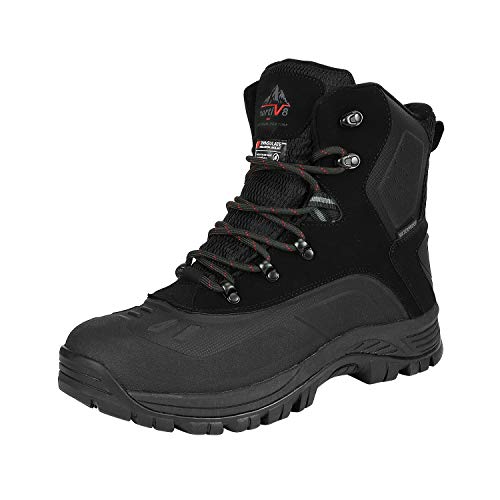 NORTIV 8 Men's Waterproof Hiking Winter Snow
- Waterproof material: Men's snow boots feature waterproof construction…
- 200g high-quality insulation materiel: Keeps your feet warm…
- Removable Insole: The insole can be removed and…
| Product | Key specs | |
|---|---|---|
| ALEADER Winter Boots for Men | Cushioned footbed for supportive comfort Easy pull on with both a drawstring and… Seam-sealed, waterproof outsole keeps feet dry in wet… | Check price |
| HOBIBEAR Women's Waterproof Winter Snow Boots Lightweight | Stay dry in any weather with these waterproof… It features a soft faux fur collar, excellent… Walk with confidence on slippery surfaces with these… | Check price |
| NORTIV 8 Men's Waterproof Hiking Winter Snow | Waterproof material: Men's snow boots feature waterproof construction… 200g high-quality insulation materiel: Keeps your feet warm… Removable Insole: The insole can be removed and… | Check price |
 ALEADER Womens Snow Boots Duck Waterproof Boots | Snow boot featuring a woven collar with dual… Adjustable lace-up closure for a secure fit The waterproof snow boots feature extra warming insulation,… | Check price |
As an Amazon Associate we earn from qualifying purchases at no extra cost to you.
Best snow boots by situation
| Situation | Best type or pick | What to prioritize | Trade-off |
|---|---|---|---|
| Daily winter commuting | Sorel Caribou or Kamik Nation Plus | Removable liner, waterproof lower shell, moderate shaft height | Heavier and less flexible than ordinary winter shoes |
| Deep, dry powder | Tall pac boot with gaiter or Baffin Impact | High shaft, generous cuff, thick insulation, snow-carrying outsole | Bulky for driving and indoor use |
| Wet snow and slush | Muck Arctic Sport | Continuous waterproof rubber or neoprene construction | Less breathable; feet may sweat during active walking |
| Ice, hills, and packed trails | Insulated hiking boot with aggressive rubber outsole | Defined lugs, stable heel, compatible traction aids | Usually not as warm as a high-volume pac boot |
| Occasional use on a budget | Basic insulated rubber pac boot | Removable liner, replaceable insole, secure lacing | Lower-quality liners and softer outsoles may wear sooner |
How insulation ratings really work
Temperature ratings are useful as a rough comparison, not a promise that your feet will remain warm at that temperature. Brands test or estimate warmth under different conditions, and the result depends on activity, sock thickness, circulation, fit, moisture, wind, and how long you remain outside.
Insulation is commonly described by a temperature range, material, or thickness:
- Light insulation: suitable for active walking around freezing, especially with a waterproof membrane and wool-blend socks.
- Moderate insulation: a versatile choice for ordinary winter commuting and short periods in snow below freezing.
- Heavy insulation: better for deep cold, ice fishing, watching sports, or other situations where you stand still.
- Removable felt or synthetic liners: easier to dry and often warmer in practice because damp insulation can be replaced or dried separately.
- Neoprene: warm and waterproof, but less breathable than many textile-lined boots and prone to feeling clammy during strenuous activity.
A boot advertised for an extreme temperature may still feel cold if it is too tight. Insulation works by trapping air, so leave enough room to wiggle your toes and wear the socks you will actually use. Do not compensate for a poor fit by adding several thick socks; compression can reduce warmth and create pressure points.
Waterproofing: membrane, rubber, or both?
A waterproof membrane such as GORE-TEX can keep external moisture out while allowing more vapor to escape than solid rubber. It is a strong choice for active walking, but the membrane is only one part of the system: water can enter through the tongue, seams, laces, or an opening below the cuff.
Pac boots typically combine a waterproof rubber lower section with a leather or textile upper and an insulated liner. This construction handles puddles and slush well, but the upper may need periodic conditioning. A tall rubber or neoprene boot, such as the Muck Arctic Sport, offers excellent protection in wet snow because there are fewer stitched sections to leak. Its limitation is ventilation.
For deep powder, cuff design matters as much as the waterproof material. Look for a drawcord, gusset, or gaiter that closes around the lower leg. A boot can be completely waterproof below the ankle and still fill with snow from the top within minutes.
Grip on snow versus grip on ice
Deep, loose snow needs a broad outsole with pronounced lugs that can shed snow. Packed snow and ice require a softer rubber compound and many edges that can conform to a slick surface. These are related but different requirements.
- Loose snow: choose lugs approximately 4–6 mm deep and a stable, moderately wide sole.
- Mixed pavement and snow: choose a balanced lug pattern that does not feel excessively stiff indoors.
- Hard ice: use removable traction devices with carbide or steel points when conditions justify them. No ordinary rubber outsole should be treated as ice-proof.
- Slush: prioritize waterproof coverage and a heel that remains stable when the sole is wet.
Very soft rubber can grip better in cold weather but may wear faster on bare pavement. Deep lugs also do not automatically mean better traction: a rigid sole, poor heel contact, or a rounded tread can make a boot feel unstable.
Calf height and fit for deep snow
For ankle-deep snow, an 8–10 inch shaft is usually sufficient if the cuff closes securely. For snow above the ankle or regular trail breaking, look for roughly 11–14 inches of coverage, depending on your leg length. Taller boots protect better but add weight, restrict stride, and can be uncomfortable when sitting or driving.
Check fit in this order:
- Put on your winter socks and any footbed you intend to use.
- Slide your foot forward until your toes lightly touch the front.
- Confirm that you can fit one finger behind your heel without lifting excessively.
- Bend your knee and walk up and down a few steps; your heel should stay controlled without painful pressure across the instep.
- Make sure the cuff does not cut into your calf when the boot is fully tightened.
If you are between sizes, compare the manufacturer’s interior measurements rather than assuming that sizing up is always best. Oversized boots can allow heel movement, which wastes energy and creates blisters. Some winter boots also use thick removable liners that take up more space than their outer dimensions suggest.
Three strong choices compared
Sorel Caribou
The Caribou is a classic pac boot for commuting, walking around town, and moderate snow. Its waterproof lower shell, insulated liner, and substantial outsole make it more protective than a casual winter sneaker. It is a sensible choice when you want a boot that can move between sidewalks and snowbanks, although its bulk and traditional shape are less appealing for fast hiking.
Kamik Nation Plus
The Nation Plus is another practical pac-boot option, typically offering a waterproof rubber bottom, removable insulation, and a tall enough shaft for ordinary snowfall. It is often priced below premium expedition-style boots and suits occasional winter users. Inspect the liner fit carefully: a boot that feels roomy without adequate heel hold can become tiring on longer walks.
Baffin Impact
The Baffin Impact targets severe cold with a high-volume multi-layer liner and a substantial shell. It makes the most sense for low-activity exposure, such as ice fishing, winter work, or extended time outdoors in very cold weather. It is not the best choice for warm indoor transitions, compact luggage, or long periods of brisk walking because its insulation and bulk can become excessive.
Muck Arctic Sport
The Muck Arctic Sport is especially useful in wet snow, slush, and muddy shoulder seasons. Its waterproof neoprene-and-rubber construction reduces leak points and is easy to rinse clean. The compromise is breathability: wear moisture-managing socks and avoid leaving the boots on wet feet for hours.
Ownership: what wears out first
Outsoles usually show wear first, particularly if you walk on bare concrete. Check the heel and the outer edge of the forefoot; uneven wear can reduce stability before the boot looks damaged. Liners also compress over time, reducing warmth and fit. A removable liner is a meaningful long-term advantage because it can be dried, replaced, or upgraded.
After use, remove the liner if possible, open the boot fully, and dry it at room temperature. Avoid radiators, fireplaces, and hair dryers, which can shrink liners, harden rubber, loosen adhesives, or crack leather. Brush off salt before it dries. For leather uppers, use a product approved for that leather; heavy oils can soften the material and affect membrane performance.
A useful ownership calculation is cost per winter outing. A $160 pair worn 40 times per season for three seasons costs about $1.33 per outing ($160 ÷ 120). A $90 pair that lasts one season at 20 outings costs $4.50 per outing. Durability, replaceable liners, and reliable waterproofing can matter more than the lowest purchase price.
Bottom line
Choose the Sorel Caribou or Kamik Nation Plus for balanced everyday winter use, the Baffin Impact for extreme cold and low activity, and the Muck Arctic Sport for wet snow and slush. For deep snow, prioritize cuff height and closure; for ice, plan to add traction devices; and for warmth, prioritize correct fit and dry removable insulation over an impressive temperature number alone.





