
Key takeaways
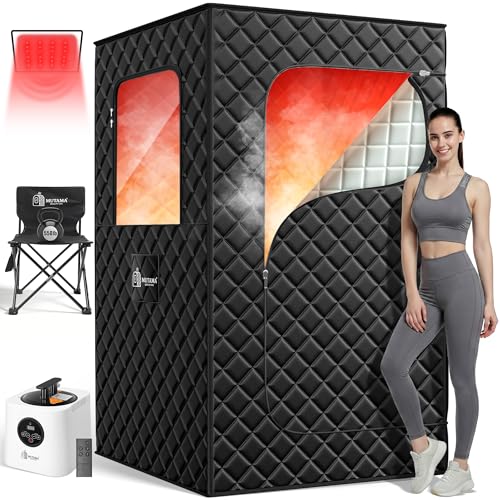
- Steam tents pair a fabric enclosure with a small electric steam generator that sits outside and pipes steam into the tent. You sit on a chair inside with your head typically outside or in a vented opening, depending on the model. Humidity is high, and the maker’s stated temperatures usually top out in the range of a warm room-scale steam bath.
- Infrared tents use heating panels, often described as carbon fiber or far infrared, mounted inside the tent. The air is drier and the heat comes from the panels. These tents warm up with less setup but have panels that need careful care, and reviewers note some models report inconsistent panel output.
If you want the simplest way to try a home sauna session, a steam tent such as the Durasage personal steam sauna is the option reviewers most often name for beginners, an infrared tent like the SereneLife or Smartmak suits people who prefer dry radiant heat, and anyone with a heart condition, pregnancy or another medical concern should speak to a doctor before using either type.
Our top picks


As an Amazon Associate we earn from qualifying purchases at no extra cost to you.
Steam Tents vs Infrared Tents
Portable sauna tents come in two main designs, and the difference shapes everything else about the purchase.
- Steam tents pair a fabric enclosure with a small electric steam generator that sits outside and pipes steam into the tent. You sit on a chair inside with your head typically outside or in a vented opening, depending on the model. Humidity is high, and the maker’s stated temperatures usually top out in the range of a warm room-scale steam bath.
- Infrared tents use heating panels, often described as carbon fiber or far infrared, mounted inside the tent. The air is drier and the heat comes from the panels. These tents warm up with less setup but have panels that need careful care, and reviewers note some models report inconsistent panel output.
Neither type reproduces a traditional wood-fired or built-in cabin sauna, and temperatures reached are normally lower. Makers and reviewers give different figures, so treat any single number as a rough guide.
At a Glance: Portable Sauna Tents Compared
| Brand and type | Best for | Reviewer notes | Limits |
|---|---|---|---|
| Durasage personal steam sauna | First-time buyers, budget steam | Thirsty Bear’s multi-week comparison picked it for most buyers; one outlet lists real-world temperature around the mid-100s Fahrenheit | Modest peak temperature; enclosure is basic |
| Durasage infrared version | People wanting low-EMF panels | One reviewer says it suits EMF-sensitive users because of its low-EMF carbon fiber panels | Heat output depends on panel design |
| SereneLife portable infrared sauna | Best-value infrared | Icecoldtubs rates it best overall; Garage Gym Reviews scores construction higher than size and comfort | One review reports inconsistent panel output |
| SereneLife steam version | Steam with a larger generator | Sources disagree on generator wattage and peak temperature | Read the maker’s listing for exact figures |
| Smartmak steam or infrared | Insulation and quick heat-up | Fitnessvolt rates the steam model well for budgets; another outlet praises its insulation among budget fold-ups | Basic build and comfort |
Roundups here often use affiliate links and their temperature figures conflict, so use the maker’s specification as the main source and treat review numbers as a range.
Key Features to Compare
Size and seating
Interior dimensions and chair height decide whether you can sit comfortably. Garage Gym Reviews scores the SereneLife lower for size and comfort, which hints that taller users may feel cramped. Measure your height and check the maker’s interior measurements before buying.
Heat source and power
Steam units list a generator wattage, and infrared units list total panel power. Higher wattage usually means faster heat-up but needs a suitable outlet. Plug the unit into a properly rated outlet, avoid daisy-chained extension cords, and follow the manual on circuit loads.
Timer and temperature control
A timer with automatic shut-off is a useful feature, but only rely on it if the maker states it. A remote or on-tent controller lets you adjust settings without leaving the chair.
Fabric and insulation
Tent walls are usually coated fabric over a foldable frame. Better insulation holds heat more evenly and shortens heat-up. Flimsy zippers and thin material are common complaints at the lowest prices.
Storage and setup
Most tents fold flat and can be stored in a closet. Setup typically takes minutes, but you still need a clear floor area, a power outlet and good ventilation in the room.
Budget Tiers
Budget
Basic steam tents from Durasage and Smartmak are the common entry point. Expect lighter build, lower peak temperatures and fewer controls, but a workable first experience.
Mid-range
Infrared tents with larger panels, a controller and stronger insulation, such as the SereneLife, usually sit here. Reviewers describe them as better value for people who will use the tent weekly.
Premium
Premium tents and small fold-up pods add sturdier frames, better insulation and sometimes low-EMF panel designs. If you want a longer-term fixture, consider a compact cabin sauna rather than a tent.
Safety First
Heat exposure is not suitable for everyone. The following points are general cautions; follow the manual and your doctor’s advice.
- Speak to a doctor before use if you have a heart or blood pressure condition, are pregnant, take medications that affect heat tolerance, or have any other medical concern.
- Do not use a sauna tent while under the influence of alcohol or drugs.
- Drink water before and after, and leave the tent at once if you feel dizzy, faint, nauseous or unwell.
- Keep sessions as short as the manual advises.
- Never leave children or pets in or near a sauna tent.
- Do not cover vents or place the steam generator where it can overheat or tip over.
- Use only the supplied power cord and an outlet suited to the load. If a cord or plug becomes hot, unplug the unit and stop using it.
- Place the tent on a flat, heat-tolerant floor away from curtains and flammable items.
Health claims about detoxing or weight loss are often exaggerated on product pages. Heat sessions can help you relax, but they are not a treatment for any condition.
Care and Cleaning
Wipe the interior with a damp cloth after each session and let the tent air dry fully to prevent mildew. Use distilled or filtered water in a steam generator if the maker advises it, and descale as the manual describes. Store infrared panels carefully so cables are not bent or pinched.
Pick X If… Decision Table
| If you want… | Pick | Why |
|---|---|---|
| A cheap, simple first steam session | Durasage steam | Beginner-friendly in several roundups |
| Dry heat from panels | SereneLife infrared | Rated as a value infrared pick |
| Strong insulation on a budget | Smartmak | Praised for retaining heat |
| Low-EMF panel design | Durasage infrared | Carbon fiber panels described as low-EMF |
| More headroom or long-term use | A compact cabin sauna | Sturdier, bigger interior |
Alternatives
- Infrared sauna blankets: fold away and warm the body while you lie down; they follow the same medical cautions.
- Compact indoor cabin saunas: more durable and with higher temperatures, but they cost more and take space.
- Gym or spa sauna memberships: useful if you only want occasional sessions.
- Warm baths: a simple way to relax with no equipment.
Setting Up a Good Session
Small details shape how a sauna tent feels. Choose a room with an easy-to-clean floor, put a towel or mat under your feet and keep a towel nearby for sweat. Wear light clothing or a swimsuit if the manual allows, and remove jewelry and anything that can become hot against the skin. Keep a bottle of water within reach and have your phone outside the tent, away from steam and heat.
Let the unit warm up for the time the maker suggests before entering. Sitting down too early means a cooler, less enjoyable session. If you use a steam tent, make sure the steam hose is not kinked or touching bare skin, and keep the generator on a stable surface with room around it. With an infrared tent, keep clear of the panels and do not touch them directly.
Start with short sessions at a lower setting and increase only if you feel comfortable and your doctor has no objections. Cool down gradually afterward, rehydrate and rest. Avoid using the tent right after a heavy meal. If you share the tent, wipe down surfaces between users.
Finally, set realistic expectations. A tent offers a warm, relaxing environment, not a substitute for medical care. Be skeptical of claims about detoxing, calorie burning or treating illness, and speak to a clinician if you have questions about how heat exposure may affect your health.
Frequently Asked Questions
Is a sauna tent as hot as a real sauna?
Generally no. Review figures for steam tents are in the warm range rather than the higher temperatures of a traditional cabin sauna. Specifications differ between makers and sources, so read the maker’s listing.
Which is better, steam or infrared?
It depends on preference. Steam tents offer humid heat and are usually cheaper to start with, while infrared tents give dry radiant heat. Neither is medically superior, and neither replaces medical advice.
How long should a session last?
Follow the manual’s guidance, which often suggests short sessions for beginners. Stop immediately if you feel unwell. Ask your doctor about suitable durations if you have health concerns.
Can I use a sauna tent if I am pregnant or have a heart condition?
Ask your doctor first. Heat exposure can be unsuitable in these situations, and a professional can advise on your circumstances.
Where should I set up a sauna tent?
Use a flat, clear floor with good room ventilation, away from curtains and furniture. Steam can add moisture to the room, so a tiled or easy-to-dry area is preferable.
How do I keep a sauna tent from smelling musty?
Wipe it down after each use and let it dry open. Descale the steam generator as the manual instructs and store the tent only when fully dry.





