
Key takeaways
- Inspect cables, straps and fasteners before every hunt.
- Replace frayed or sun-damaged straps rather than repairing them.
- Store stands out of the sun and moisture.
- Check local rules, since some public land bans permanent stands or tree damage.
- Practice in your yard at low height before the season.
- Tell someone where you are hunting and carry a way to call for help.
For most hunters, a Summit Viper SD is the climbing tree stand to start with, bowhunters who want an open front will look at the Summit OpenShot SD or Lone Wolf Sit and Climb Combo II, larger hunters should look at the Summit 180 Max SD or Goliath SD, and anyone who prioritizes a light pack-in should consider the Lone Wolf Crossover Climber. Whatever you choose, use a full-body safety harness every time you leave the ground, and read the maker’s manual before climbing.
Our top picks
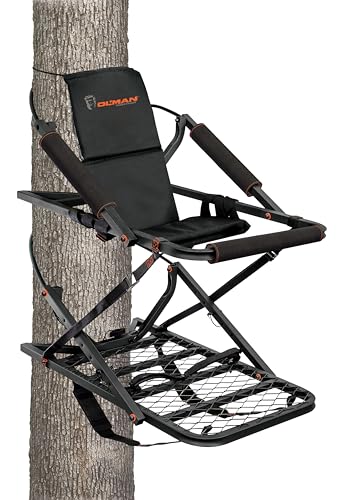

As an Amazon Associate we earn from qualifying purchases at no extra cost to you.
Climbing Tree Stands at a Glance
| Stand | Best for | Key stated or reported specs | Limits |
|---|---|---|---|
| Summit Viper Pro SD | Quiet, premium comfort | Field and Stream names it best overall and quietest, citing foam in critical areas | Premium tier |
| Summit Viper SD | Most hunters | The Outside Report lists about 20 lbs and a 300-lb capacity; Advanced Hunter calls it Summit’s most popular for over 17 years | Bulky to carry in |
| Summit OpenShot SD | Bowhunters wanting an open front | Described as an open-front stand weighing around 15 lbs | Open front needs a harness and good positioning |
| Summit 180 Max SD and Goliath SD | Larger hunters | Both rated for 350 lbs in roundups | Heavier |
| Lone Wolf Crossover Climber | Light pack-in | Field and Stream lists 250-lb capacity, 11 lbs, 24 x 16.5 inch platform, cast aluminum | Smaller platform, lower capacity |
| Lone Wolf Sit and Climb Combo II | Crossbow and bow hunters | Sharpshaft names it best for crossbows thanks to an open-front design | Higher cost |
| API Outdoors Alumi-Tech Grand Slam Extreme | Comfort-minded buyers | An older guide rates it among the most comfortable | Newer API models draw mixed owner comments |
Safety First
Falls from tree stands are a serious hazard in hunting. Treestand safety bodies and makers advise wearing a full-body harness connected to the tree from the moment you leave the ground until you return to it. Many makers include a harness or sell one separately. Read the instructions for your specific stand, practice at ground level, and inspect straps, cables and welds before each season. Do not exceed the stated weight capacity, which should include your gear and weapon. If a part is worn or damaged, replace it using maker-approved parts or contact the maker. This guide offers buying information only and does not replace manufacturer instructions or hunter education.
What to Look For
Weight capacity
Check that the stated capacity covers you plus clothing, pack and gear. Standard climbers like the Viper SD list 300 lbs in roundups, while the 180 Max SD and Goliath SD list 350 lbs. The Crossover Climber lists 250 lbs, so lighter hunters are its best fit.
Weight and carry
Comparison commentary says Summit stands are comfortable but bulky on the hike in, while Lone Wolf and XOP pack flat but cost more. If your walk is long, pack-in weight may matter more than seat comfort.
Platform and seat size
A bigger platform adds comfort and room for boots. A smaller one cuts weight. Check platform dimensions the maker states and consider your boot size.
Noise
Metal on metal can spook deer. The Viper Pro SD earns praise for foam and noise control. Aftermarket silencing is common but follow the maker’s cautions.
Open-front vs standard
Open-front stands give a clear shot for bowhunters but remove the front bar. They demand careful harness use and tether position. Standard stands offer more perceived security.
Tree size range
Makers list minimum and maximum tree diameters. Match the stand to the trees you hunt, and avoid trees with heavy bark damage, lean or dead limbs.
Budget Tiers
Budget
Older Summit models and other value climbers fill the budget tier. They are heavier and plainer but functional. Always check the condition of used stands and replace worn straps.
Mid-range
The Viper SD and OpenShot SD sit here. They offer the best balance of comfort, support and parts availability.
Premium
The Viper Pro SD and Lone Wolf climbers occupy the premium tier, with quieter operation, lighter weight or stronger materials.
Pick X If You Want This
| Pick this | If you want |
|---|---|
| Summit Viper SD | A proven all-round climber |
| Summit Viper Pro SD | The quietest premium ride |
| Summit OpenShot SD | An open front for bowhunting |
| Summit 180 Max SD or Goliath SD | Higher capacity for larger hunters |
| Lone Wolf Crossover Climber | A light stand for long walks |
| Lone Wolf Sit and Climb Combo II | A crossbow-friendly open front |
| API Alumi-Tech Grand Slam Extreme | An older design known for comfort |
Care and Use
- Inspect cables, straps and fasteners before every hunt.
- Replace frayed or sun-damaged straps rather than repairing them.
- Store stands out of the sun and moisture.
- Check local rules, since some public land bans permanent stands or tree damage.
- Practice in your yard at low height before the season.
- Tell someone where you are hunting and carry a way to call for help.
Alternatives
- Hang-on stands with climbing sticks. Lighter and quieter but need more setup.
- Ladder stands. Stable and easy but stationary.
- Saddles. Light and mobile but require training and practice.
- Ground blinds. No heights involved and simple to use.
How to Choose Between Climbers
Match the stand to your hunting style
Mobile hunters who relocate often value low weight and quick setup, because every extra pound makes a long walk harder. Hunters who sit for long sessions often prioritize seat comfort, footrest support and a stable platform. If you bowhunt, an open front is common because it leaves the shooting lane clear, but the lack of a front bar makes correct harness use even more important. Follow the maker’s instructions on where to attach your tether.
Consider climbing technique
Climbing stands use a two-part system, with a seat section and a platform section that you move up the trunk in turn. Climbing takes practice, and trees with branches or heavy lean can stop a climber early. Practice on a low, straight tree with a spotter, wearing your harness, before the season opens. Learn the maker’s sitting and standing procedures thoroughly.
Think about long-term parts support
Summit and Lone Wolf are widely stocked, so replacement straps, cables and hardware are easier to find. Owner comments on forums suggest that some newer API designs feel less robust than older ones, though this is anecdotal and varies by model. Before buying a used stand, check that the maker still offers parts and that the model has not been subject to a recall or safety notice.
Seasonal and legal notes
Rules on public land often limit how stands can be attached, how long they can remain, and whether screw-in steps or nails are permitted. Climbing stands that grip the trunk usually avoid some of those issues, but check the regulations for your area and for the specific property you hunt.
Before Each Hunt: A Short Checklist
- Read the manual again at the start of every season, since procedures differ between models.
- Inspect the cables, cinch straps, buckles and welds for wear, rust, cracks or fraying, and replace anything suspect.
- Check that your full-body harness is in date, undamaged and fitted correctly, and that any lifeline or tether is the right length.
- Pick a healthy, straight tree within the maker’s stated diameter range, with no dead limbs overhead.
- Use a haul line to raise your weapon and pack after you are secured, rather than climbing with them in your hands.
- Keep three points of contact whenever you move, and stay connected to the tree while you climb, hunt and descend.
- Leave a hunting plan with someone and carry a phone or whistle within reach at all times.
Consult a hunter education course for training on treestand use, and replace any stand that a maker has recalled or that shows damage you cannot fix with approved parts.
Frequently Asked Questions
Is a climbing stand safer than a ladder stand?
Neither is automatically safer. Safety depends on correct use, a full-body harness, and following the manual. Many hunters choose climbers for mobility and ladder stands for stability.
What weight capacity should I look for?
Choose a stand whose stated capacity exceeds your weight with all gear. Standard climbers list 300 lbs, with heavy-duty ones at 350 lbs. Lower-capacity lightweight stands suit lighter hunters.
Are climbing stands noisy?
Some are, especially older metal designs. The Viper Pro SD is praised for noise-reducing foam. Careful movement and maintenance help too.
Which trees work for climbing stands?
Straight trees without low branches in the size range the maker lists work best. Avoid dead, leaning or damaged trees. Rough bark and heavy taper make climbing harder.
How often should I replace straps and cables?
Follow the maker’s guidance, and inspect before every use. Many makers advise replacing worn or aged straps. When in doubt, replace.
Is a lighter stand worth it?
If you hike far, yes. Lone Wolf’s Crossover Climber lists about 11 lbs. The trade-offs are a smaller platform and lower capacity.





