Key takeaways
- Seamless wireless syncing eliminates manual logging errors.
- The wide-range cuff accommodates a broad variety of arm sizes comfortably.
- Requires a smartphone to unlock its full tracking potential.
What's inside
Tracking your blood pressure at home is one of the most practical steps you can take to manage cardiovascular health, yet choosing the right device remains surprisingly confusing. A cheap monitor that reads inaccurately gives false confidence, while an overly complex machine gathers dust in a drawer. The concrete problem buyers face is finding a balance between clinical reliability and everyday usability without overspending on features they will never use.
What separates a good home monitor from a bad one comes down to cuff fit, measurement consistency, and how easily the device integrates into a daily routine. To build this 2026 roundup, our editorial team compared published specifications, retail prices, and verified owner feedback across dozens of models. We narrowed the field to eight standout options, ranging from budget-friendly basics to premium Bluetooth-enabled units, so you can match the right tool to your specific needs.
As an Amazon Associate we earn from qualifying purchases at no extra cost to you. Product prices and availability are accurate as of the date shown and are subject to change.





Quick Picks
| Product | Best for | Price |
|---|---|---|
| iHealth Track Smart | Smartphone syncing | $39.99 |
| OMRON Iron | Reliable basic tracking | $37.79 |
| Sinocare Adjustable Cuff | Tight budgets | $16.99 |
| Oklar FDA Cleared Upper Arm | Affordable accuracy | $19.99 |
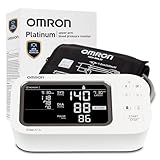
| OMRON Platinum | Premium features | $97.19 |
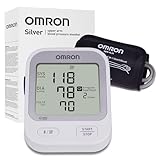
| OMRON Silver | Bluetooth users | $64.74 |
| OMRON Bronze | Simple one-touch use | $46.52 |
| Oklar Wrist Monitor | Travel and portability | $28.99 |
How We Picked
When evaluating blood pressure cuffs for home use, we focused on four criteria that consistently determine long-term satisfaction: cuff size range, measurement validation, memory capacity, and ease of operation. A monitor is only as good as its cuff; if the fabric does not wrap properly around your arm, every reading is compromised. We also prioritized devices with clear regulatory clearance or clinical validation standards, as these offer the highest baseline for accuracy. Finally, we weighed user-reported experiences regarding screen readability, battery life, and app connectivity, ensuring each recommendation solves real-world frustrations rather than just looking impressive on a spec sheet.
The 8 Best Blood Pressure Cuffs For Home Use in 2026
iHealth Track Smart Upper Arm
The iHealth Track Smart is built for users who want their readings automatically logged to a smartphone. It pairs via Bluetooth with the iHealth app, making it ideal for people managing chronic conditions who need to share trends with a physician.
- Seamless wireless syncing eliminates manual logging errors.
- The wide-range cuff accommodates a broad variety of arm sizes comfortably.
- Requires a smartphone to unlock its full tracking potential.
Skip this model if you prefer a standalone device that stores data entirely on the screen without relying on external apps or mobile batteries.
OMRON Iron
The OMRON Iron serves users who want a trusted brand name without paying for advanced digital extras. It provides straightforward upper arm monitoring for individuals who simply need reliable, no-frills daily readings.
- Backed by OMRON’s established reputation for cardiovascular accuracy.
- Simple interface makes it easy for older adults to operate independently.
- Lacks Bluetooth connectivity for automatic data sharing.
Skip this monitor if you require dual-user profiles or smartphone integration to track multiple household members over time.
Sinocare Adjustable Cuff
Sinocare targets cost-conscious buyers who refuse to sacrifice essential functionality. With an adjustable cuff spanning 8.6 to 16.5 inches and one-button operation, it is designed for households needing a highly accessible, shared device.
- Exceptionally low price point lowers the barrier to daily health monitoring.
- Dual-user mode allows two people to track readings separately.
- Build quality feels noticeably lighter than premium competitors.
Skip this option if you prioritize a heavy-duty build or require advanced irregular heartbeat detection algorithms found in higher-tier machines.
Oklar FDA Cleared Upper Arm
This Oklar model is aimed at budget shoppers who still demand regulatory assurance. Its FDA-cleared status provides peace of mind for users who might otherwise hesitate to trust a lower-priced monitor with their health data.
- FDA clearance offers a verified baseline of measurement reliability.
- Compact design fits easily into a bathroom cabinet or travel bag.
- Memory storage capacity is more limited than mid-range alternatives.
Skip this unit if you need to store months of historical readings directly on the device without transferring them elsewhere.
OMRON Platinum
The OMRON Platinum is the definitive choice for users who want maximum data and premium construction. It caters to individuals managing serious hypertension who require detailed morning and evening averages alongside robust app connectivity.
- Advanced averaging features provide deeper insight into daily fluctuations.
- High-capacity memory stores significantly more readings than standard models.
- The premium price tag is substantially higher than basic monitors.
Skip this monitor if you only need occasional spot checks rather than continuous, detailed cardiovascular trend analysis.
OMRON Silver
Positioned as a middle ground, the OMRON Silver appeals to users who want Bluetooth connectivity and solid memory capacity without paying top-tier prices. It suits tech-savvy individuals who value data synchronization but do not need the Platinum’s exhaustive analytics.
- Bluetooth pairing allows effortless transfer of readings to health apps.
- TruRead technology automatically takes multiple consecutive measurements.
- The display could be slightly larger for visually impaired users.
Skip this model if you have no interest in smartphone apps and prefer a purely offline monitoring experience.
OMRON Bronze
The OMRON Bronze is engineered for simplicity. It is best suited for seniors or anyone who wants a single-button experience backed by a major medical brand, avoiding menus and complex settings entirely.
- One-touch operation removes any learning curve for new users.
- Quiet inflation mechanism is less startling during early morning checks.
- Lacks the multi-user memory modes found in similarly priced competitors.
Skip this device if two people in your household need to track separate histories on the same machine.
Oklar Wrist Monitor
The Oklar Wrist Monitor is strictly for travelers or individuals whose arm shape prevents traditional upper-arm cuffs from fitting properly. Its rechargeable battery and compact wrist-based design prioritize extreme portability over clinical tradition.
- Rechargeable battery eliminates the ongoing cost of disposable cells.
- Wrist form factor slips easily into a pocket or carry-on bag.
- Wrist monitors are inherently more sensitive to positioning errors than upper arm cuffs.
Skip this device if you prioritize absolute measurement precision and can comfortably wear a standard upper-arm cuff.
Buying Guide
Cuff Sizing and Fit
The most common reason for inaccurate home readings is a poorly fitted cuff. If the bladder inside the fabric is too small for your arm circumference, the monitor will artificially inflate your numbers. Always measure the midpoint of your bicep before purchasing. Monitors with wide-range adjustable cuffs, like those accommodating up to 16.5 inches, offer far more flexibility and prevent the dangerous habit of forcing a tight cuff onto a larger arm.
Upper Arm vs. Wrist Placement
Cardiologists generally recommend upper arm monitors because the brachial artery sits closer to heart level naturally. Wrist monitors are convenient and portable, but they require strict discipline; your wrist must be held exactly at heart height during inflation, or the reading will skew. Choose a wrist model only if physical limitations prevent you from wrapping a cuff around your bicep, and always follow the manufacturer’s posture instructions precisely.
Memory and Connectivity
If you are tracking blood pressure to show a doctor, memory capacity matters. Basic models store a few dozen readings, while premium units hold hundreds and calculate rolling averages. Bluetooth connectivity is highly recommended if you dislike writing numbers in a logbook. Syncing directly to a smartphone app ensures your data is timestamped, graphed, and ready to export during your next medical appointment.
Our Verdict
For most households, the iHealth Track Smart Upper Arm is our top pick. At $39.99, it strikes the ideal balance between smart connectivity, a versatile wide-range cuff, and a reasonable price. If your budget is strictly limited, the Sinocare Adjustable Cuff is the clear budget winner at just $16.99, offering dual-user support and a massive size range that outperforms its cost. However, if you require rigorous data tracking and advanced averaging for a complex medical condition, the OMRON Platinum wins outright despite its $97.19 price tag, providing analytical depth that cheaper models simply cannot match.
FAQ
Are home blood pressure cuffs accurate?
Yes, provided you purchase a clinically validated or FDA-cleared device and use the correct cuff size. Consistency in posture, resting for five minutes before measuring, and keeping your arm supported at heart level are equally critical to achieving reliable results.
Which is better, an arm or wrist blood pressure monitor?
Upper arm monitors are generally considered more reliable because they are less susceptible to body position errors. Wrist monitors are acceptable alternatives for frequent travelers or individuals who physically cannot tolerate the compression of an upper arm cuff.
How often should I check my blood pressure at home?
Most physicians recommend taking two or three readings in the morning and evening when initially establishing a baseline or adjusting medications. Once your numbers stabilize, your doctor may advise less frequent monitoring based on your specific health profile.
Do I need a prescription to buy a home blood pressure monitor?
No, all the monitors in this roundup are available over the counter without a prescription. However, you should consult your healthcare provider to ensure your chosen device meets their standards for tracking your specific condition.