
The best backpacking backpacks for comfortable multi-day trips are the ones that match your expected load, torso length, and trip length: choose a supportive framed pack for heavier loads, a lighter pack for compact gear, and a water-resistant design only when its trade-offs suit your conditions.
Our top picks
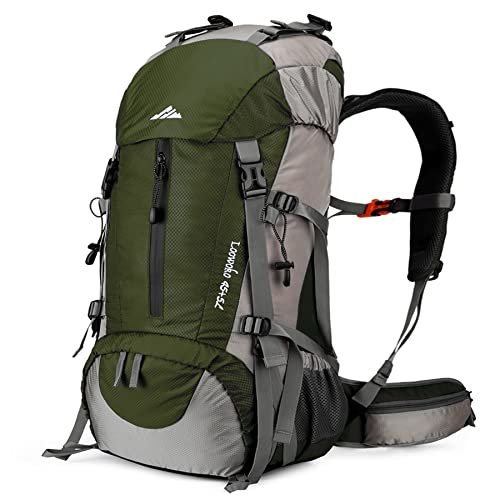 Loowoko 50L Hiking Backpack with Rain Cover
- Cpmprehensive Upgraded Version - The Loowoko hiking travel…
- Rain Cover Included - Made with high quality…
- No Internal Frame - This lightweight & comfortable…
 Teton 65L Explorer Internal Frame Backpack for
- Feature rich at this price point
- The best memories are made with the great…
- Multi position torso adjustment fits medium and tall…
 Teton 75L Explorer Internal Frame Backpack for
- Feature rich at this price point
- The best memories are made with the great…
- Multi position torso adjustment fits medium and tall…
| Product | Key specs | |
|---|---|---|
| Loowoko 50L Hiking Backpack with Rain Cover | Cpmprehensive Upgraded Version - The Loowoko hiking travel… Rain Cover Included - Made with high quality… No Internal Frame - This lightweight & comfortable… | Check price |
| Teton 65L Explorer Internal Frame Backpack for | Feature rich at this price point The best memories are made with the great… Multi position torso adjustment fits medium and tall… | Check price |
| Teton 75L Explorer Internal Frame Backpack for | Feature rich at this price point The best memories are made with the great… Multi position torso adjustment fits medium and tall… | Check price |
 WoneNice 50L | Include Main compartment, two zipped front pocket, sleeping… Made with excellent quality Polyester + nylon fabric,… Adjustable chest belt and waist belt | Check price |
As an Amazon Associate we earn from qualifying purchases at no extra cost to you.
Quick picks by backpacking situation
| Situation | Recommended type or model | Why it fits | Typical market range |
|---|---|---|---|
| Comfort-first, 4–7 day trips | Osprey Atmos AG 65 | Highly adjustable torso, ventilated suspension, comfortable load carrying | $300–$350 |
| Heavy or bulky loads | Gregory Baltoro 65 | Robust frame and substantial hip belt for roughly 40–55 lb loads | $300–$380 |
| Lightweight but still structured | Osprey Exos 58 | Light framed design with useful ventilation and load transfer | $240–$300 |
| Ultralight, compact kit | Gossamer Gear Mariposa 60 | Large capacity at low weight, with a simple removable frame | $250–$300 |
| Wet climates and simple organization | Hyperlite Mountain Gear Southwest 55 | Water-resistant laminate fabric and roll-top closure | $350–$400 |
| Frequent use and adaptable volume | Deuter Aircontact Core 60+10 | Durable materials, adjustable suspension, and expandable capacity | $240–$300 |
Prices are broad 2026 market ranges and vary by size, season, and included accessories. Capacity figures also differ slightly between manufacturers, so compare the usable main compartment rather than relying only on the headline number.
How to choose the right capacity
For most three-season trips, 50–60 liters is the practical middle ground. A 40–50-liter pack works for experienced hikers carrying compact shelter, quilt, and cooking equipment. A 60–75-liter pack is more appropriate for winter equipment, group gear, bear-resistant food storage, or beginners whose equipment is still bulky.
- One to two nights: 40–50 liters, assuming a compact sleep system and modest food supply.
- Three to five nights: 50–60 liters for most hikers.
- Six or more nights: 60–70 liters, unless resupply or ultralight equipment reduces the food and equipment volume.
- Winter or shoulder season: 60–75 liters because insulation, shelter, and wet-weather layers occupy more space.
Do not fill unused space simply because it is available. An oversized pack often encourages extra clothing, duplicate cookware, and excessive food. A correctly chosen 55-liter pack can be more comfortable than a half-empty 70-liter pack because its contents stay stable and closer to your back.
Suspension and load ratings: the comfort difference
The suspension is more important than the pocket count. A pack transfers weight through its frame and hip belt, while the shoulder straps mainly stabilize the load. Manufacturers’ load ratings are useful guidelines, not universal standards, because comfort depends on torso fit, packing technique, and the shape of the equipment inside.
For loads under 25 pounds
A lightly framed or frameless pack can work well when the contents are compact and evenly packed. Models such as the Gossamer Gear Mariposa 60 offer a removable frame and sit pad, giving more structure than a purely frameless pack without approaching the weight of a traditional load hauler. These designs are efficient for experienced hikers, but they become uncomfortable when heavy food, water, or dense equipment creates pressure against the back.
For loads around 25–40 pounds
This is where lightweight framed packs are most versatile. The Osprey Exos 58 uses a suspended back panel and aluminum-frame structure to combine ventilation with useful load transfer. The Deuter Aircontact Core 60+10 is heavier, but its adjustable back system and substantial padding provide a more reassuring fit for frequent trips and varied loads.
For loads above 40 pounds
A sturdier frame, firmer hip belt, and more substantial lumbar support become worthwhile. The Gregory Baltoro 65 and Osprey Atmos AG 65 are aimed at this comfort-first category. Their extra padding and rigid suspension add weight, but they are less likely to collapse around bulky food, climbing equipment, or shared group gear.
Torso adjustment and fit
Measure torso length from the prominent bone at the base of your neck to the top of your hip bones. Do not choose solely by height: two people of the same height can need different torso lengths. Many versions of the Atmos AG 65, Exos 58, Baltoro 65, and Aircontact Core 60+10 use adjustable torso systems, commonly covering approximately 16–22 inches or a similar range depending on the size configuration.
When trying on a pack, load it with 20–30 pounds of realistic equipment. Set the hip belt over the upper hip bones, tighten the shoulder straps, then pull the load lifters until the pack sits close without pulling your shoulders backward. The hip belt should carry most of the weight, while the shoulder straps should remain secure but not restrictive.
A broad adjustment range is valuable if more than one person will use the pack, or if you wear different clothing layers across seasons. A fixed-length ultralight pack can be lighter, but it demands more accurate sizing.
Head-to-head: traditional comfort versus lightweight efficiency
| Pack | Capacity | Approximate weight | Practical load range | Torso adjustment | Weather resistance |
|---|---|---|---|---|---|
| Osprey Atmos AG 65 | 65 L | About 4.5–4.7 lb | 25–45 lb | Adjustable, size dependent | Water-resistant fabric; rain cover commonly included |
| Gregory Baltoro 65 | 65 L | About 4.8–5.5 lb | 35–55 lb | Adjustable, size dependent | Water-resistant fabric; rain cover commonly included |
| Osprey Exos 58 | 58 L | About 2.8–3.0 lb | 20–35 lb | Adjustable on many versions | Water-resistant fabric; use a liner or cover |
| Gossamer Gear Mariposa 60 | 60 L | About 2 lb | 15–30 lb | Available in fixed torso sizes | Light water resistance; liner recommended |
| Hyperlite Southwest 55 | 55 L | About 1.9–2.1 lb | 20–35 lb | Size based, not broadly adjustable | Highly water-resistant laminate; seams and closure still need care |
| Deuter Aircontact Core 60+10 | 60+10 L | About 4.0–4.5 lb | 25–45 lb | Adjustable back length | Water-resistant fabric; rain cover typically included |
Weights are approximate and can vary by torso size, model year, and accessories. A rain cover, removable lid, frame stays, and pockets may affect the final carry weight.
Pocket layouts and access
A large front stretch pocket is useful for a wet shelter, rain jacket, or water filter that you want outside the main compartment. Side bottle pockets should be reachable without removing the pack; angled openings are especially useful for solo hikers. Hip-belt pockets should fit a phone, snacks, sunscreen, and navigation device without forcing the belt to sag.
The Atmos AG 65 and Baltoro 65 prioritize organization with multiple compartments and access points. The Southwest 55 is simpler: its roll-top body and large external pockets reward a dry-bag-style packing system. The Mariposa 60 offers abundant external storage for its weight, but lightweight mesh can snag on brush more readily than reinforced nylon.
For long trips, a simple layout often wins. Put sleeping gear and spare clothing in a liner at the bottom, dense food and cooking equipment close to the spine, and frequently used items in external pockets. Avoid placing hard objects against your back, where they can create pressure points.
Waterproofing: cover, liner, or laminate?
Most conventional backpack fabric is water resistant rather than waterproof. A fitted rain cover protects the body but can leave shoulder straps and hip-belt pockets exposed, and strong wind may lift it. A pack liner or heavy-duty waterproof bag protects the contents more reliably and also makes packing easier.
Laminate packs such as the Hyperlite Southwest 55 resist rain exceptionally well, but they are not immune to water entering through the roll-top, pocket seams, or prolonged submersion. They also tend to offer less padding and fewer compartments. For humid rainforests or repeated wet-weather trips, use waterproof stuff sacks inside any pack and dry the pack fully after each outing.
Ownership realities: what wears first
- Mesh pockets: Contact with rocks, branches, and trekking poles causes tears before the main fabric fails. Small holes can often be repaired with adhesive fabric patches.
- Hip-belt foam: Repeated compression reduces cushioning over time, especially when the pack is stored tightly cinched.
- Zippers and buckles: Dirt and grit accelerate wear. Rinse mud away with clean water rather than forcing a jammed zipper.
- Waterproof coatings: Coatings can age, peel, or become sticky after years of heat and storage. A liner is cheaper and more dependable than expecting an old coating to remain waterproof.
- Frame and stitching: Never exceed the pack’s practical load range just because the fabric appears strong. Overloading stresses seams, stays, and hip-belt attachment points.
After a trip, empty every pocket, brush off grit, and hand-wash the pack in cool water when needed. Avoid bleach, solvents, washing machines, and high heat. Hang it open until completely dry, then store it loosely in a cool place.
Bottom line
Choose the Osprey Atmos AG 65 or Gregory Baltoro 65 when carrying comfort and load support matter more than minimum weight. Pick the Osprey Exos 58 or Deuter Aircontact Core 60+10 for a versatile balance of structure, capacity, and organization. For a compact ultralight kit, the Gossamer Gear Mariposa 60 or Hyperlite Mountain Gear Southwest 55 can reduce pack weight substantially, provided your total load remains within their comfort range. The best backpacking backpack is ultimately the one that fits your torso precisely, keeps dense items close to your spine, and matches the weight you will actually carry.





